Side Dishes
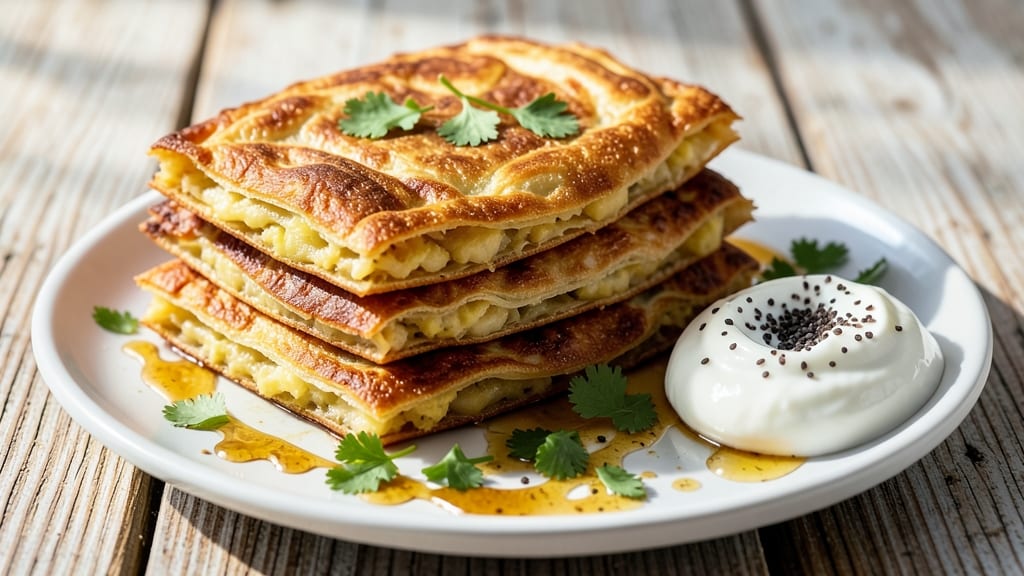
This aloo paratha potato recipe delivers the perfect balance of flaky, golden layers and spiced potato filling that makes every bite irresistible. The secret lies in layering the dough just right—each fold creates those signature crispy edges while keeping the inside tender and packed with flavor.
I've perfected this technique over years of testing, ensuring the potatoes stay moist and the dough achieves that restaurant-quality flakiness.
The process starts with a simple potato filling—boiled potatoes mashed with aromatic spices like cumin, coriander, and a pinch of garam masala. Meanwhile, the dough gets its signature texture through careful kneading and resting, which develops gluten for that signature flakiness.
What sets this recipe apart is how the potato filling is rolled into the dough before sealing—this creates those delicious pockets of spiced potato in every bite.
By the time you're done, you'll have perfectly round parathas with crispy, golden-brown exteriors and tender, flavorful interiors. The aroma alone will have everyone gathering around the table, and the combination of warm spices and creamy potatoes makes this a complete meal on its own.
Serve with yogurt, pickle, or chutney for the full Indian dining experience.
Whether you're making these for a family dinner or meal prep, this recipe scales beautifully. The technique is straightforward once you understand the key steps—dough preparation, filling assembly, and proper rolling and frying. Let's get started on creating these delicious, flaky aloo parathas!
Ingredients for aloo paratha potato
Eight ingredients for golden layers and spiced potato filling that'll have everyone asking for seconds.
| Ingredient | Amount | Notes |
|---|---|---|
| Russet Potatoes 🥔 | 2 ½ lb | Medium-sized, peeled and boiled |
| All-Purpose Flour 🌾 | 3 cups | Plus extra for dusting |
| Whole Milk Yogurt 🥛 | ½ cup | Plain, unsweetened |
| Ghee 🫒 | ½ cup | For frying, not butter |
| Cumin Seeds 🌿 | 1 ½ tsp | Toasted for aroma |
| Ground Cumin 🌿 | 1 ½ tsp | For filling |
| Ground Coriander 🌿 | 1 ½ tsp | Freshly ground preferred |
| Garam Masala 🌶️ | 1 tsp | For filling warmth |
| Red Chili Powder 🌶️ | ½ tsp | Adjust for heat |
| Salt 🧂 | 1 ½ tsp | Kosher or sea salt |
| Garlic Cloves 🧄 | 3 cloves | Minced for filling |
| Green Chilies 🌶️ | 2 whole | Finely chopped |
| Fresh Cilantro 🌿 | ¼ cup | Chopped, optional garnish |
The potatoes are non-negotiable—Russets stay fluffy when boiled. Indian grocery stores often carry them pre-peeled, saving time. If using regular potatoes, boil until fork-tender, not mushy. The dough needs whole wheat flour for that signature texture, but all-purpose works too if you're in a pinch. Just add 1 tablespoon of water to the mix if it feels too dry. For the ghee, store-bought works fine, but homemade is worth the effort if you're feeling ambitious.
No ghee? Vegetable oil or coconut oil works in a bind, but ghee gives that authentic flavor. Short on cumin seeds? Ground cumin at double the amount gets you close. The green chilies can be swapped for red chili powder if you prefer milder heat. Fresh cilantro is best, but dried works at half the amount. For extra richness in the filling, add 1 tablespoon of cashew paste—trust me, it makes a difference. And if your dough feels too sticky, chill it for 15 minutes before rolling.
Store leftover dough in an airtight container with a damp towel for 2 days. The filling keeps for 3 days in the fridge, but reheat it gently to avoid drying out. For meal prep, fry the parathas and reheat in a dry pan for 2-3 minutes—they crisp up beautifully. Freeze uncooked parathas between parchment paper for up to 1 month. Just thaw and fry as usual.
Why You'll Love This Recipe
- No-Fuss Dough: I swear by this dough—just flour, yogurt, and a pinch of salt. No yeast, no waiting, no stress. The yogurt keeps it tender without overworking, and honestly? My kids think they’re helping when they knead it (even if it’s more like a lumpy mess at first).
- Ghee Magic: That first sizzle in the ghee? Pure gold. The cumin seeds toast up instantly, filling the kitchen with warmth, while the potatoes soften into pillowy pockets. Between us, the crispy edges are my favorite part—like a little crunchy hug with every bite.
- Breakfast to Brunch: I make these for lazy Sundays, quick lunches, or even packed in a bento box. Warm them up with butter and pickle for a hearty meal, or serve with mint chutney for a lighter bite. My roommate’s a skeptic, but she’s now my biggest fan—(yes, even on a Tuesday night).
- Budget Staple: Russets are cheap, flour lasts forever, and a little ghee goes a long way. I batch these on Sundays, and they reheat like they’re fresh. Leftovers? No problem. My freezer’s full of them, and they’re still the star of my weeknight dinners.
Step-by-step instructions for aloo paratha potato recipe
Here's how to make these golden, flaky parathas with a spiced potato filling that melts in your mouth.
👨🍳 Step 1: Prepare the Potato Filling
Start by boiling the 2.5 lb Russet Potatoes until they're fork-tender—about 15-20 minutes in salted boiling water. Drain them well and let them cool slightly before peeling off the skin. Once cool enough to handle, mash them into a smooth paste using a potato masher or fork.
In a separate pan, heat 0.5 cup Ghee over medium heat and add the 1.5 tsp Cumin Seeds. Let them sizzle for 30 seconds until fragrant, then add the 3 cloves Garlic Cloves and 2 whole Green Chilies (finely chopped). Sauté for 1 minute until the garlic turns golden. Add the mashed potatoes to this pan and cook for 5 minutes, stirring occasionally. Now mix in the 1.5 tsp Ground Cumin, 1.5 tsp Ground Coriander, 1 tsp Garam Masala, 0.5 tsp Red Chili Powder, and 1.5 tsp Salt. Let the mixture cool completely before using.
👨🍳 Step 2: Make the Dough
In a large mixing bowl, combine the 3 cups All-Purpose Flour with 0.5 cup Whole Milk Yogurt and 1.5 tsp Salt. Gradually add water (about 1 cup) while kneading until you get a smooth, firm dough that doesn't stick to your hands. Cover the bowl with a damp cloth and let it rest for 30 minutes. This resting time helps the dough relax and makes rolling easier.
After resting, divide the dough into 8 equal portions (about 6 oz each). Roll each portion into a smooth ball and set them aside on a floured surface. Keep the remaining dough covered to prevent it from drying out.
🔥 Step 3: Assemble and Cook the Parathas
Take one dough ball and roll it into a 6-inch circle on a floured surface. Place 2 tablespoons of the potato filling in the center, then seal the edges by bringing the dough over the filling and pressing gently to form a ½-inch thick paratha. Roll it out again to 6 inches in diameter, ensuring the filling is evenly distributed.
Heat a clean, dry skillet over medium-high heat. Place the paratha in the skillet and cook for 2-3 minutes until golden brown spots appear on the bottom. Flip carefully and cook the other side for 1-2 minutes. Now, add 1 teaspoon of Ghee to the skillet and cover with a lid for 1 minute. This steaming step creates those signature flaky layers. Repeat with the remaining dough balls, keeping the cooked parathas warm in a 200°F oven while you finish cooking the rest.
🍽️ Step 4: Serve Warm with Fresh Cilantro
Once all parathas are cooked, transfer them to a serving platter. Garnish with 0.25 cup Fresh Cilantro (chopped) for a pop of freshness. Serve warm with mango pickle, yogurt, or butter for the ultimate aloo paratha experience. The flaky layers should be crisp on the outside and soft on the inside, with the spiced potato filling peeking out in every bite.
Pro Tips For Making Aloo Paratha Potato
- Boil Until Fork-Tender: Russet potatoes need to collapse like overcooked mashed potatoes—no one likes a paratha with a rock-hard potato center. Test with a fork: if it slides in without resistance, they’re ready. I learned this the hard way after biting into a paratha that felt like chewing on a potato brick.
- Dry the Yogurt First: Whole milk yogurt adds moisture, but too much makes the dough sticky and unworkable. Spread it on a plate and let it sit for 10-15 minutes—this cuts down on extra flour needed later. Skip this, and you’ll be fighting a dough that sticks to everything.
- Press Lightly, Seal Tight: Don’t flatten the paratha like a pancake—press just enough to create thin edges while keeping the center slightly thick. This ensures it puffs properly when cooking. I used to smash them flat, and they’d just turn into sad, dense discs.
- Use Ghee for Crisp, Not Burn: Cook on medium heat with ghee—it’s forgiving but needs patience. If the paratha browns too fast, lower the heat immediately. Ghee’s high smoke point means it won’t burn easily, but rushing will leave you with a bitter bite instead of a golden, crispy paratha.
Troubleshooting this recipe
Dough Too Sticky
If your dough feels too sticky when kneading, it’s usually because you’ve added too much water. I’ve found that using all-purpose flour instead of whole wheat helps absorb moisture better.
Try adding 1-2 tablespoons of extra flour while kneading, or let the dough rest for 15-20 minutes covered with a damp towel—this helps the gluten relax and reduces stickiness. If it’s still too wet, chill it in the fridge for 10 minutes before rolling. 🌾
Filling Too Dry
The potato filling can dry out if overcooked or if the potatoes weren’t mashed properly. To fix this, add 1-2 teaspoons of warm milk or yogurt to the filling to restore moisture. If the filling is too dry before cooking, mix in ½ teaspoon of ghee to keep it tender.
Always ensure your potatoes are fork-tender but not mushy when boiling—they should hold their shape when mashed. 🥔
Parathas Not Flaky
Flaky layers happen when the dough isn’t rolled evenly or the steaming step is skipped.
Burning on the Outside
High heat causes burning before the inside cooks through. Reduce the heat to medium-low once golden spots appear on the bottom. Use a clean, dry skillet and avoid overcrowding—cook one paratha at a time for even browning. If the outside burns too quickly, add ½ teaspoon of ghee to the pan to help distribute heat more evenly. 🌡️
Filling Leaking Out
If the filling escapes while cooking, your dough edges weren’t sealed properly. Press the edges firmly around the filling before rolling out the second time—this creates a tight seal. For extra security, pinch the edges with your fingers or use a fork to crimp them.
If the filling still leaks, reduce the amount to 1.5 tablespoons per paratha and ensure the dough is rolled evenly. 💡
Uneven Cooking
Uneven cooking often happens if the paratha isn’t rolled to the same thickness. Aim for a ½-inch thickness throughout. Also, rotate the paratha halfway through cooking to ensure even browning.
If one side cooks faster, reduce the heat slightly or use a lighter-colored pan to distribute heat more evenly. A cast-iron skillet works best for consistent results. ⚡
Nutrition facts
Frequently asked questions
Can I make aloo paratha without ghee?
Yes, you can substitute ghee with vegetable oil or coconut oil for frying, though ghee gives that authentic flavor. For the filling, use 1 teaspoon of oil instead of ghee to keep the potatoes moist. The texture will be slightly different but still delicious.
How do I store leftover aloo paratha?
Keep cooked parathas in an airtight container at room temperature for 2 days. For longer storage, freeze uncooked parathas between parchment paper for up to 1 month. To reheat, warm in a dry pan over medium heat for 2-3 minutes—they'll crisp up beautifully. Avoid microwaving to prevent sogginess.
What's the best way to make the dough extra flaky?
The secret is proper dough handling! Let the dough rest for 30 minutes after kneading, then roll it out to ¼-inch thickness before adding filling. After cooking, add 1 teaspoon of ghee and cover with a lid for 1 minute to create steam—this builds those signature layers.
Can I add other vegetables to the potato filling?
Try adding ½ cup finely chopped onions, ¼ cup grated carrots, or 2 tablespoons of peas to the potato filling. Sauté these with the garlic and green chilies before mixing with the mashed potatoes. Just ensure the filling isn't too wet to prevent leaks during cooking.
Why does my aloo paratha tear when rolling?
This usually happens when the dough is too dry or not rested properly. Add 1 tablespoon of water if needed, then let the dough rest for an extra 15 minutes covered. Roll gently from the center outward, and avoid pressing too hard. If it still tears, use a bit more flour on the surface for easier handling.