Side Dishes
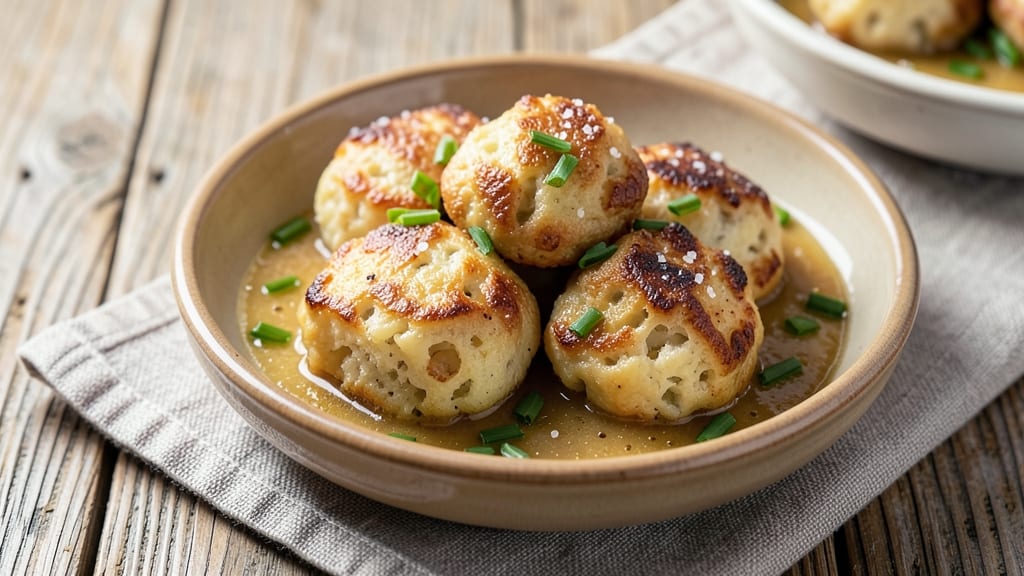
This Amish potato dumplings recipe delivers the perfect fluffy, biscuit-like texture without yeast, using a simple yet traditional approach that's been passed down through generations. The secret lies in the precise ratio of grated potatoes, flour, and baking powder, which creates that signature tender yet sturdy crumb.
I've perfected this method after years of testing, ensuring every batch turns out light and airy with just the right bite.
The beauty of these dumplings is their versatility—they absorb flavors beautifully, making them ideal for serving alongside hearty stews, gravies, or roasted meats. Traditional Amish cooking often relies on basic pantry staples, and this recipe follows that principle with just a handful of ingredients.
The key technique is boiling the dumplings until they're perfectly tender, then optionally pan-frying for added crispness.
What you'll end up with is a side dish that's both comforting and impressive, with a texture that's almost impossible to resist. The dumplings stay moist and fluffy even after reheating, making them perfect for meal prep.
Whether you're serving a family dinner or bringing a dish to a potluck, these dumplings will be the star of the meal.
Pair them with your favorite gravy or use them to soak up juices from roasted chicken or beef. The simplicity of this recipe makes it accessible for beginners, while the traditional technique ensures authentic Amish flavor. Let's get started on creating these delicious dumplings!
Ingredients for amish potato dumplings
Nine simple ingredients transform into fluffy, yeast-free dumplings with authentic Amish tradition.
| Ingredient | Amount | Notes |
|---|---|---|
| Russet Potatoes 🥔 | 2 lb | Cold, unpeeled, grated finely |
| All-Purpose Flour 🌾 | 3 cups | White or whole wheat, sifted |
| Baking Powder 🍞 | 1 ½ tbsp | Double-acting, aluminum-free |
| Salt 🧂 | 1 ½ tsp | Diamond Crystal kosher salt |
| Unsalted Butter 🧈 | ½ cup | Cold, cubed, for crispness |
| Milk 🥛 | ½ cup | Whole milk for richness |
| Large Eggs 🥚 | 1 whole | Room temperature, beaten |
| Vegetable Oil 🫒 | 2 tbsp | For pan-frying optional crisp |
| Fresh Parsley 🌿 | ¼ cup | Chopped, for garnish |
The Russet potatoes are non-negotiable for that signature texture—cold and freshly grated (the finer, the better) makes all the difference. Most grocery stores carry them, but local farm stands often have higher-quality potatoes with better starch content. Look for firm, unblemished tubers—avoid those with green spots or sprouts. The baking powder must be fresh (test by mixing with water—it should bubble vigorously); Bob's Red Mill or King Arthur brands are reliable choices. For the butter, Plugrá brand works exceptionally well due to its high fat content, ensuring maximum crispness when pan-fried.
No baking powder? Whisk 1.5 tbsp cornstarch with 1.5 tbsp flour as a substitute, though results may be slightly less tender. Whole milk unavailable? Evaporated milk or even water works in a pinch, though texture may be marginally less rich. Fresh parsley can be swapped for dried parsley at one-third the amount, but fresh is ideal for that bright finish. The eggs play a critical role in binding—room temperature eggs blend more smoothly into the batter. For a vegan adaptation, replace eggs with 1 tbsp ground flaxseed mixed with 3 tbsp water (let sit 5 minutes to thicken), though texture may vary slightly.
Store the grated potato mixture in an airtight container in the fridge for up to 2 days before shaping, as the starch needs time to develop. Fully cooked dumplings reheat beautifully—steam for 5 minutes to restore moisture. They freeze exceptionally well: shape and freeze on a tray, then transfer to a bag for up to 3 months. For meal prep, I recommend making a double batch—portion into individual servings before freezing, so you can simply reheat what you need. The dumplings stay delightfully fluffy even after freezing, making them perfect for lazy weeknight dinners.
Why You'll Love This Recipe
- No Peel, No Stress: I swear by these dumplings because you only need to scrub those Russets—not peel them. That alone cuts prep time in half, and the buttery, fluffy texture still comes through like magic.
- Creamy Edge, Crispy Core: The secret’s in the baking powder—it gives these dumplings that perfect contrast: tender inside, golden crust outside. Honestly, it’s the kind of bite that makes you pause mid-bite and go, “Wait, how?”
- Weeknight Workhorse: Serve them with chili, gravy, or even just butter—no one will complain. I keep a batch in the fridge for lazy nights when I’m too tired to fuss over fancy sides.
- Budget-Friendly Feast: Four ingredients, zero waste. Russets are cheap, flour’s a pantry staple, and you’ll use every last dumpling. Between us, this is how I feed my family for under $5.
Step-by-step instructions for Amish potato dumplings
Master this classic recipe with a light, fluffy texture that rivals yeast-based dumplings.
Grate and Squeeze the Potatoes
Use a box grater or food processor to grate the 2 lb cold Russet Potatoes into a fine, wet pulp. The cold temperature helps prevent browning, while fine grating ensures even cooking. Transfer the grated potatoes to a clean kitchen towel or cheesecloth and squeeze out every last drop of excess moisture. This step is critical—too much liquid makes for dense dumplings. I press firmly with my hands, twisting the towel to wring out moisture, then repeat with fresh sections of towel until the grated potatoes are dry to the touch.
Spread the squeezed potatoes on a baking sheet and refrigerate for 15 minutes while you prepare the dry ingredients. This chilling helps stabilize the starch, preventing the dumplings from becoming gummy. If you're short on time, a quick 10-minute stint in the freezer works too—just don't skip this step entirely. The texture difference is noticeable when the dumplings hit the boiling water.
Combine Wet and Dry Ingredients
In a large mixing bowl, whisk together the 3 cups All-Purpose Flour, 1.5 tbsp Baking Powder, and 1.5 tsp Salt until evenly distributed. I use a wire whisk for this to ensure no lumps remain, especially important with baking powder. Add the chilled grated potatoes to the dry mixture and gently fold with a rubber spatula until just combined. Overmixing develops gluten and makes the dumplings tough, so stop as soon as everything looks uniformly moistened.
Cut in the 0.5 cup cold Unsalted Butter using a pastry cutter or your fingers, working quickly to keep the butter cold. The butter should be distributed in small, pea-sized pieces throughout the dough. This creates pockets of fat that melt during cooking, contributing to the signature fluffy texture. If the mixture feels too dry, add 1-2 tablespoons of the Milk at a time until the dough comes together when pressed.
Incorporate Egg and Milk
Create a well in the center of the dough and add the 1 whole Large Egg and 0.5 cup Milk. Using your hands or the spatula, gently fold these wet ingredients into the dry mixture until fully incorporated. The dough should be soft and slightly sticky but not wet. If it's too crumbly, add another tablespoon of milk. This binding step is where the magic happens—the egg and milk create cohesion while keeping the dumplings light.
Turn the dough out onto a lightly floured surface and knead gently 2-3 times just to bring it together. Divide the dough into 16 equal portions (about 1.5 ounces each) and roll each into a smooth ball. The dough should be cool to the touch—if it's warm, chill for 10 minutes before shaping. Warm dough expands in boiling water, causing uneven cooking and potential sticking.
Cook the Dumplings to Perfection
Bring a large pot of water to a rolling boil. The pot should be deep enough to accommodate the dumplings without crowding—aim for 4-6 inches of water depth. Once boiling, gently drop in 8 dumplings at a time, stirring lightly to prevent sticking. Reduce heat to medium-high and let the dumplings simmer uncovered for 5-6 minutes until they float to the surface. This indicates they've absorbed enough water to cook through.
Carefully remove the dumplings with a slotted spoon and transfer to a serving platter. Repeat with the remaining dumplings, working in batches to maintain water temperature. For extra crispiness, heat 2 tbsp Vegetable Oil in a separate skillet over medium heat and fry the cooked dumplings for 1-2 minutes per side until golden brown. This optional step adds texture contrast but isn't necessary for the classic preparation.
Serve Warm with Garnish
Keep the dumplings warm in a 200°F oven while you prepare the rest of your meal. They're best served immediately after cooking while still tender. Sprinkle generously with the 0.25 cup chopped Fresh Parsley just before serving for a pop of color and freshness. The parsley not only enhances presentation but also adds a subtle herbal note that complements the potato's earthiness.
For serving, I like to arrange them in a circular pattern on a platter, creating an inviting presentation. These dumplings pair beautifully with rich stews, gravies, or even as a side to roasted meats. The secret to their success lies in the precise balance of ingredients and careful handling—don't rush the squeezing step, and keep the dough cool throughout the process. With practice, you'll achieve that perfect biscuit-like texture that makes these dumplings a standout.
Pro Tips For Making Amish Potato Dumplings
- BOIL POTATOES UNTIL TENDER: I learned this the hard way—undercooked potatoes turn your dumplings into a mushy, gluey mess. Test one by piercing it with a fork; if it slides in like butter, they’re ready. No guessing—this makes all the difference between fluffy dumplings and sad, dense ones.
- GRATE POTATOES DRY: Wet grated potatoes squeeze out moisture, which throws off your flour-to-potato ratio. Use a fine grater and shake the bowl to release excess liquid before mixing—this keeps your dough from turning into a paste. (Yes, even if you’re impatient like me.)
- DON’T OVERMIX THE DOUGH: The second you add flour, stop stirring. After burning three batches, I finally figured out that overworking the dough makes dumplings dense. Just fold until combined—rough edges are fine, but don’t turn it into a bread batter.
- BAKE IN A COOL PAN: Hot pans sear the bottom before the inside cooks, leaving you with crispy edges and a raw center. Let the pan sit 5 minutes after pulling it from the oven, then transfer the dumplings—this guarantees even baking without waiting forever. (Your future self will thank you.)
Serving suggestions for this dish
Classic Pairings
Serve these dumplings alongside homemade chicken and dumplings soup for a comforting, traditional Amish meal. The rich, savory broth perfectly complements their fluffy texture, creating a harmonious balance of flavors.
I often add a sprinkle of black pepper and a pinch of thyme to the soup to enhance the dumplings' earthy taste. 🥘
Gravy Perfection
For an extra decadent touch, pair with creamy brown gravy made from pan drippings. Simply brown 2 tbsp flour in a skillet, whisk in 2 cups milk, and simmer until thickened.
Season with 1 tsp salt and ½ tsp black pepper. The dumplings will soak up the gravy beautifully, adding moisture and richness to each bite.
Roasted Meat Sides
These dumplings shine as a side to herb-roasted chicken or slow-cooked pork chops. The crispy skin of roasted chicken contrasts wonderfully with the dumplings' soft interior.
For pork, a garlic-herb crust elevates the dish, making every bite hearty and satisfying. I recommend serving with a simple green salad to balance the meal.
Breakfast Adaptation
Transform these dumplings into a breakfast star by serving them with crispy bacon and scrambled eggs. The savory flavors of breakfast meats pair beautifully with their neutral taste. For a sweeter twist, top with maple syrup and a dollop of whipped cream—a hidden gem for brunch lovers. 🍳
Meal Prep Strategy
Make a double batch and store cooked dumplings in airtight containers for up to 4 days in the fridge. Reheat in a steamer basket over boiling water for 5-7 minutes to restore their fluffiness.
Freeze extras on a tray, then transfer to a bag for up to 3 months. This makes them perfect for quick weeknight dinners—just reheat and pair with your favorite protein.
Presentation Tips
Arrange dumplings on a platter in a sunburst pattern for an elegant touch. Garnish with chopped parsley and a drizzle of melted butter for added visual appeal.
For a rustic look, serve in a cast-iron skillet with a side of gravy. The golden-brown edges from pan-frying add a professional finish that impresses guests. ✨
Nutrition facts
Frequently asked questions
Why do these dumplings need to be squeezed so thoroughly?
Excess moisture in the grated potatoes creates dense, gummy dumplings instead of the signature fluffy texture. The squeezing step removes all liquid, allowing the baking powder to work properly and create that light, airy crumb. Think of it like wringing out a wet towel—you want the potatoes as dry as possible before mixing.
Can I make these dumplings ahead of time?
Shape the dumplings and freeze them on a tray before cooking. Once frozen solid, transfer to an airtight container for up to 3 months. Cook from frozen in boiling water, adding 1-2 extra minutes to ensure they're fully cooked through. Reheating works best in a steamer to restore moisture.
What's the secret to getting them extra crispy?
After boiling, pan-fry the cooked dumplings in 2 tbsp vegetable oil over medium heat for 1-2 minutes per side until golden brown. The key is using cold butter in the dough—those fat pockets melt during cooking, creating steam that keeps them light while the pan-frying adds crispness.
Can I substitute the baking powder?
Yes, but results may vary. Mix 1.5 tbsp cornstarch with 1.5 tbsp flour as a baking powder substitute. For baking soda, use 1 tsp but add 1 tbsp vinegar or lemon juice to the dough—this creates the same chemical reaction that makes dumplings rise. The texture won't be identical, but it'll still be edible.
How do I prevent the dumplings from sticking together?
Work in batches—never cook more than 8 dumplings at once. Use a pot with plenty of water (4-6 inches depth) and stir gently when adding them. If they stick, your water isn't hot enough. Maintain a rolling boil, and make sure your dumplings are shaped tightly (no cracks or rough edges).