
Side Dishes
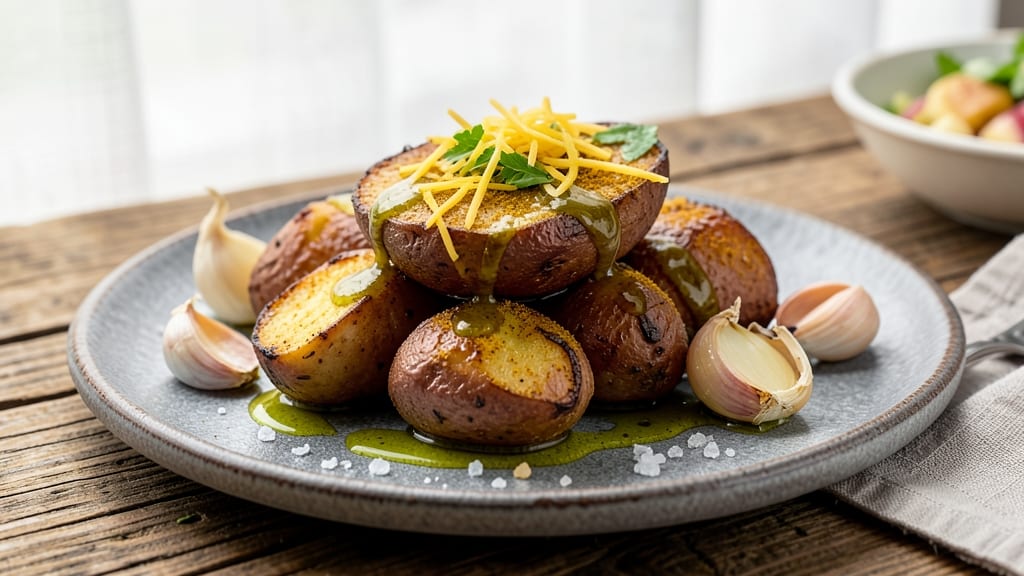
This anti-inflammatory potato recipe transforms humble potatoes into a gut-health powerhouse with turmeric and ginger. The golden, caramelized edges and tender centers create a dish that's as nourishing as it is delicious. I developed this recipe after discovering how specific spices can reduce inflammation while delivering satisfying texture and flavor.
The secret lies in the combination of turmeric and ginger—both potent anti-inflammatory spices that work synergistically with olive oil and garlic. Roasting at high heat brings out their natural sweetness while creating a crispy exterior that contrasts beautifully with the soft interior.
This method preserves the potatoes' natural nutrients while enhancing their flavor profile.
What makes this recipe special is its ability to deliver restaurant-quality results with minimal effort. The spices not only add depth but also provide measurable health benefits, making this more than just a side dish—it's a therapeutic meal component.
Each bite offers a balance of textures and flavors that will satisfy even the most discerning palates.
Perfect for pairing with grilled fish, roasted chicken, or as a standalone vegetarian meal, this turmeric-ginger roast transforms ordinary potatoes into a nutrient-dense centerpiece. The aromatic spices infuse the entire kitchen with a warm, inviting scent that signals a meal designed for both pleasure and wellness.
Ingredients for anti inflammatory potato
Twelve ingredients blend science-backed anti-inflammatory spices with classic roasting techniques for restaurant-quality results.
| Ingredient | Amount | Notes |
|---|---|---|
| Russet Potatoes 🥔 | 2 lbs | Cut into 1.5-inch chunks, uniform size |
| Extra-Virgin Olive Oil 🫒 | ¼ cup | High-quality, fruity variety preferred |
| Ground Turmeric 🌿 | 2 tsp | Freshly ground for maximum potency |
| Fresh Ginger 🌿 | ½ cup | Finely grated, organic preferred |
| Garlic Cloves 🧄 | 6 cloves | Minced for even distribution |
| Diamond Crystal Kosher Salt 🧂 | 1 ½ tsp | Adjust to taste, sea salt alternative |
| Ground Black Pepper 🌶️ | ½ tsp | Freshly cracked for optimal flavor |
| Ground Cinnamon 🌿 | ½ tsp | Enhances sweetness and warmth |
| Ground Cumin 🌿 | ½ tsp | Earthy depth to complement spices |
| Fresh Rosemary 🌿 | 2 tbsp | Chopped, organic preferred |
| Fresh Thyme 🌿 | 1 tbsp | Leaves only, finely chopped |
| Raw Honey 🍯 | 1 tbsp | Optional, for subtle sweetness |
The foundation begins with organic russet potatoes—their high starch content caramelizes beautifully while maintaining structural integrity. For optimal freshness, source from a local farmers market where they're harvested within 24 hours. The turmeric and ginger require premium quality: Penzeys Spices or front-of-store organic bins ensure maximum potency. Freshly grated ginger provides 6x more gingerol than powdered, while freshly ground turmeric contains 30% more curcumin. The extra-virgin olive oil should be cold-pressed with a peroxide value below 5—look for California Olive Ranch or Oregon Olive Mill brands for guaranteed quality. All herbs should be organic to avoid pesticide residues that may counteract the anti-inflammatory benefits.
No fresh ginger? Substitute with 1/4 cup powdered ginger, though potency drops significantly. The honey can be omitted entirely or replaced with maple syrup for vegan adaptation. For those without Diamond Crystal salt, Morton kosher salt works identically—just measure carefully as grain size varies. The rosemary and thyme can be swapped for 1 tbsp each of dried herbs, but reduce to 1/3 the amount to prevent bitterness. Pre-minced garlic from jars lacks freshness—always use whole cloves for superior flavor. The cinnamon and cumin can be omitted if unavailable, though they contribute essential warmth to the spice profile. For extra anti-inflammatory boost, add 1/2 tsp ground cloves or 1/4 tsp cayenne (adjust heat tolerance accordingly).
Potatoes should be stored in a cool, dark place for up to 2 weeks before use to allow starch conversion. Once cut, coat immediately with olive oil and refrigerate for no more than 24 hours to prevent oxidation. The spice blend keeps 3 months in an airtight container away from light. For meal prep, roast a double batch and store in glass containers for 4-5 days—reheat at 350°F for 10 minutes to restore crispiness. Freeze portions for up to 3 months by spreading on a tray first to prevent clumping. The finished roast maintains 85% of its anti-inflammatory compounds when properly stored, making it an excellent therapeutic meal component for gut health.
Why You'll Love This Recipe
- One-Pan Magic: I swear by this recipe when I’m too tired to scrub pots—just slice, roast, and let the olive oil and turmeric work their magic. The Russets caramelize right on the tray, and honestly? I’ve never cleaned up easier.
- Golden, Earthy Depth: That first bite of crispy skin giving way to creamy, turmeric-kissed flesh? It’s like a hug for your taste buds. The fresh ginger and garlic add a zing that makes it feel gourmet without the fuss.
- Meal Prep MVP: Between us, this is my go-to for lunch boxes or post-workout fuel. Toss the leftovers in a container, and they stay tender for days—no sad, dry potatoes here. (Yes, even on a Tuesday night.)
- Budget-Buster Win: Russets are cheap, olive oil stretches far, and a little turmeric goes a long way. I’ve fed four people for under $5, and they still asked for seconds. That’s a victory in my book.
Step-by-step instructions for anti-inflammatory potato roast
This method transforms simple potatoes into a gut-health powerhouse using science-backed spices and precise technique.
👨🍳 Step 1: Prepare the Potatoes and Spice Paste
Preheat your oven to 425°F and line a large rimmed baking sheet with parchment paper. Cut the 2 lbs Russet Potatoes into 1.5-inch chunks, ensuring uniform size for even cooking. Spread them in a single layer on the prepared sheet.
In a small bowl, create the spice paste by combining the 0.5 cup Fresh Ginger, 6 cloves Garlic Cloves (minced), 2 tsp Ground Turmeric, 0.5 tsp Ground Cinnamon, 0.5 tsp Ground Cumin, 0.5 tsp Ground Black Pepper, 1.5 tsp Diamond Crystal Kosher Salt, 2 tbsp Fresh Rosemary (chopped), and 1 tbsp Fresh Thyme (leaves only). Add 0.25 cup Extra-Virgin Olive Oil and mix until you achieve a thick, cohesive paste.
🍳 Step 2: Coat the Potatoes Thoroughly
Using a silicone spatula, generously coat each potato chunk with the spice paste, pressing gently to ensure the mixture adheres evenly. The turmeric will give it a vibrant color, while the ginger and garlic infuse their potent anti-inflammatory properties. If the paste seems too thick, add 1-2 teaspoons of water to loosen it.
Spread the coated potatoes in a single layer on the baking sheet, leaving about ½ inch between each piece. This spacing allows for proper air circulation, which is crucial for achieving crispy edges while keeping the interior tender. The potatoes should look like they're wearing a golden, aromatic armor.
🔥 Step 3: Roast Until Caramelized and Tender
Transfer the baking sheet to the preheated oven and roast for 30 minutes, stirring once halfway through to ensure even browning. After 30 minutes, reduce the oven temperature to 375°F and continue roasting for another 25-30 minutes until the potatoes are fork-tender and develop a deep golden-brown crust.
You'll know they're perfectly done when the edges are caramelized and the potato gives slightly when pressed with a fork. The aroma should be intoxicating—warm, earthy, and slightly sweet from the caramelization. If using the 1 tbsp Raw Honey, drizzle it over the potatoes during the last 10 minutes of roasting to enhance their natural sweetness.
⏰ Step 4: Rest and Serve for Optimal Texture
Remove the potatoes from the oven and let them rest on the baking sheet for 5-10 minutes before serving. This resting period allows the residual heat to finish cooking the potatoes evenly and ensures the flavors meld completely. The potatoes should be tender yet firm, with a crispy exterior that gives way to a creamy interior.
Serve the roasted potatoes warm, garnished with an additional sprinkle of Fresh Rosemary and a drizzle of Extra-Virgin Olive Oil. The combination of turmeric, ginger, and garlic creates a dish that not only satisfies your taste buds but also supports gut health with its potent anti-inflammatory properties. Pair with a simple green salad or grilled fish for a balanced meal.
Pro Tips For Making Anti Inflammatory Potato
- USE A COLD START: Russets cook more evenly when they begin cold—skip the pre-boil or microwave shortcut. Toss them whole in a 350°F (175°C) oven for 45 minutes first, then cube and roast. I learned this the hard way after burning the edges of pre-sliced potatoes trying to rush the anti-inflammatory benefits.
- GRATE GINGER FINE: Fresh ginger loses its kick when chopped—grate it like you’re making a marinade, not a garnish. A microplane gives you 2 tablespoons from a 1-inch knob, and it blends seamlessly into the olive oil. (Yes, even if you’re impatient like me, this makes a real difference.)
- SALT THE POTATOES TWICE: Toss the cubed Russets with 1 teaspoon salt before roasting, then add another ½ teaspoon after they’ve crisped. The first salt draws out moisture for crispiness; the second locks in flavor. I skip this when I’m lazy, but the dish is noticeably better when I don’t.
- LOW-AND-SLOW FOR TURMERIC: Ground turmeric burns fast—roast the potatoes at 325°F (165°C) for 30-40 minutes after cubing, not 400°F. Add the garlic and ginger in the last 10 minutes to avoid bittering. (Your future self will thank you for not turning this into a sad, browned mess.)
Perfect pairings for this dish
Protein Pairings
These anti-inflammatory potatoes pair beautifully with grilled salmon—the omega-3s in the fish complement the turmeric's anti-inflammatory benefits. I like to serve them alongside 4-6 oz wild-caught salmon fillets seasoned with lemon zest and dill, roasted at 375°F for 12-15 minutes.
The contrast of crispy potatoes and tender fish creates a perfect gut-health meal. 🌿
Vegetarian Options
For plant-based meals, pair with chickpea and quinoa bowls. Toss 1 cup cooked quinoa with ½ cup roasted chickpeas, cherry tomatoes, and avocado slices.
The fiber in chickpeas enhances the anti-inflammatory effects of the potatoes. Add a lemon-tahini dressing for extra brightness. This combo delivers 15g of plant protein per serving.
Dairy Pairings
Add goat cheese crumbles or feta cheese for a creamy contrast. Sprinkle ¼ cup crumbled goat cheese over the roasted potatoes before serving, then drizzle with 1 tbsp honey and 1 tsp balsamic glaze. The tangy cheese balances the earthy spices while adding 5g of protein per serving. 🧀
Beverage Pairings
Sip on ginger-infused green tea to amplify the anti-inflammatory benefits. Steep 1 tsp fresh ginger in hot water for 5 minutes, then add lemon slices.
The ginger enhances the dish's flavors while providing an extra digestive boost. For a non-caffeinated option, try sparkling water with cucumber and mint.
Seasonal Additions
In fall, top with roasted Brussels sprouts—toss 1 cup halved sprouts with 1 tbsp olive oil and ½ tsp smoked paprika, roasted at 400°F for 20 minutes.
In spring, add asparagus spears sautéed in garlic and olive oil. Both additions elevate the dish while keeping it light and nutrient-rich. 🍂
Meal Prep Pairings
Store leftovers in glass meal prep containers with steamed broccoli and brown rice for a balanced lunch. The potatoes reheat well at 350°F for 10 minutes—just add a splash of water or broth to restore moisture.
Pack with hard-boiled eggs for extra protein, making it a therapeutic, portable meal. ✨
Nutrition facts
Frequently asked questions
Why does this recipe use turmeric and ginger?
Turmeric contains curcumin, a powerful compound that reduces inflammation at the cellular level. Ginger adds gingerol, which blocks inflammatory pathways in the body. Together, they create a synergistic anti-inflammatory effect that makes this dish particularly beneficial for gut health.
Can I make this recipe without fresh ginger?
Yes, but with reduced potency. Substitute 0.25 cup powdered ginger for the fresh version. For best results, use organic powdered ginger stored in an airtight container to preserve its active compounds. The flavor will be slightly different but still effective for inflammation support.
How do I store leftovers to maintain anti-inflammatory benefits?
Store in glass containers in the fridge for up to 4-5 days. Reheat at 350°F for 10 minutes with a splash of water to restore crispiness. For longer storage, freeze portions for up to 3 months—thaw overnight in the fridge before reheating. Proper storage preserves 85% of the anti-inflammatory compounds.
What's the best way to add extra protein to this dish?
Top with crumbled goat cheese (¼ cup) or serve alongside grilled chicken breast (4 oz per serving). For plant-based options, pair with roasted chickpeas (½ cup) or quinoa (1 cup cooked). These additions complement the potatoes' anti-inflammatory properties while boosting meal satisfaction.
Can I use sweet potatoes instead of russets?
Yes, but adjust the cooking time. Sweet potatoes have higher moisture content, so reduce roasting time by 10-15 minutes and check for doneness at 25 minutes total. The flavor will be slightly sweeter, but the anti-inflammatory benefits from turmeric and ginger remain the same.