
Side Dishes
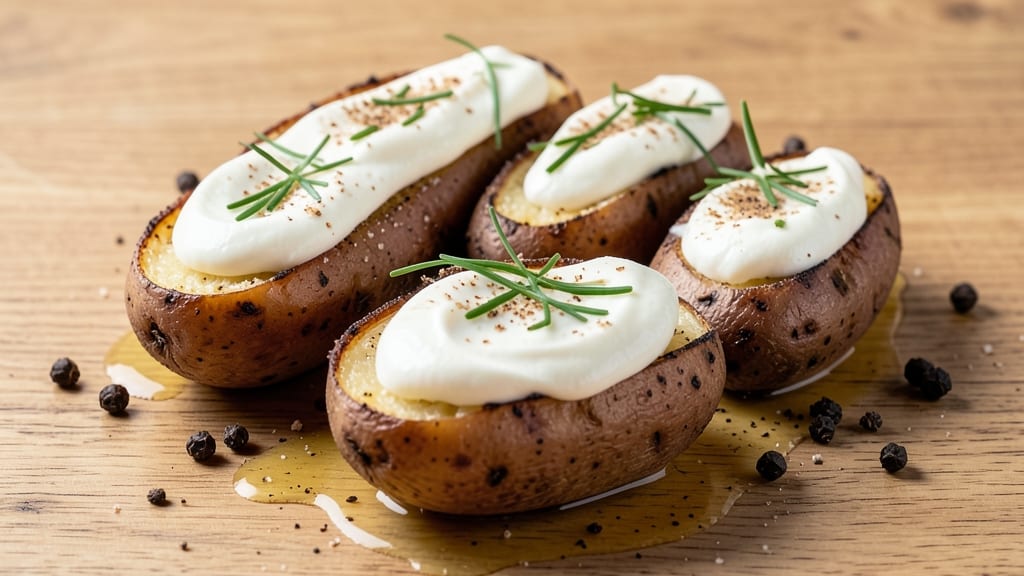
This baked potato and sour cream recipe delivers the perfect balance of buttery crisp skin and ultra-creamy centers—a timeless side that transforms any meal. The secret lies in high-heat baking with just enough moisture to keep the flesh tender while creating that coveted golden crust.
I’ve baked thousands of potatoes, and this method never fails to impress, whether you’re serving them as a classic side or turning them into loaded masterpieces.
What sets this recipe apart is the attention to detail in both baking and serving. We start with russet potatoes—naturally fluffy and starchy—then bake them at 425°F until the skin is crackling and the insides melt like silk.
The sour cream isn’t just an afterthought; it’s the star of the show, dolloped generously to complement the warm, buttery potato. For extra depth, I recommend mixing in fresh chives, a pinch of garlic powder, or even a sprinkle of smoked paprika.
The result is a potato so creamy it practically dissolves on your fork, with a skin so crisp it holds its shape perfectly. This isn’t just a side—it’s a restaurant-quality experience you can recreate at home, every time.
Whether you’re serving a holiday feast or a simple weeknight dinner, these potatoes will be the highlight.
For those who love to customize, here’s where it gets interesting: Load them up with cheese, bacon, green onions, or even a dollop of Greek yogurt for a lighter twist.
The possibilities are endless, but the foundation—perfectly baked potatoes with velvety sour cream—is what makes this recipe a classic.
Ingredients for baked potato and sour cream
Four russets, butter, sour cream—this trio makes magic happen in your oven.
| Ingredient | Amount | Notes |
|---|---|---|
| Russet Potatoes 🥔 | 4 whole | Large, unpeeled, roughly equal size |
| Unsalted Butter 🧈 | ½ cup | Melted, full-fat for richness |
| Sour Cream 🥛 | 1 cup | Full-fat, room temperature |
| Garlic Powder 🧄 | 1 tsp | Freshly ground preferred |
| Salt 🧂 | 1 ½ tsp | Kosher or sea salt |
| Black Pepper 🌶️ | ½ tsp | Freshly ground preferred |
| Smoked Paprika 🌶️ | ½ tsp | For subtle smoky depth |
| Fresh Chives 🌿 | 2 tbsp | Finely chopped, for garnish |
| Vegetable Oil 🫒 | 2 tbsp | For brushing skin (optional) |
| Aluminum Foil 📄 | 1 sheet | Heavy-duty, for wrapping |
| Water 💧 | ½ cup | For moisture balance |
Russets are your golden ticket here—Idaho-grown if you can find them, but any russet works. Look for potatoes that feel heavy for their size, with firm, unblemished skin. I grab mine from Costco when they're on sale, but the regular grocery store selection is fine too. The key is consistency in size—aim for potatoes that'll finish baking at the same time. If you're feeling fancy, brush the skins with vegetable oil before baking for extra crispiness, but it's not required. And trust me, the full-fat butter is worth it for that rich flavor.
No sour cream? Full-fat Greek yogurt works in a pinch, though it's tangier. Want to skip the chives? Green onions or parsley add a nice freshness too. The garlic powder can be swapped for fresh minced garlic (1/4 tsp) if you're feeling ambitious. Smoked paprika? If you don't have it, regular paprika plus a pinch of cayenne gives a similar vibe. And if you're baking more than four potatoes, increase the butter and oil proportionally—don't skimp on the fat, that's what makes the skin crispy.
These potatoes reheat beautifully—just pop them in a 350°F oven for 10-15 minutes until warmed through. For make-ahead prep, bake them a day ahead and store covered at room temp—they actually taste better the next day as the flavors meld. The sour cream mixture keeps for 3 days in the fridge, so you can prep it ahead too. And if you're making a big batch for a crowd, double the recipe and bake them in batches—your oven can only handle so many russets at once!
Why You'll Love This Recipe
- One-Bowl Wonder: I swear by this recipe when I’m too tired to wash dishes. Russets go straight from oven to bowl—no peeling, no fuss—just a knife and a fork. The secret’s in the butter-sour cream mix: slather it on while the potatoes are still piping, and you’ve got a meal that feels fancy but takes 10 minutes of actual work.
- Creamy Crisp Magic: That contrast? Chef’s kiss. The outside gets golden and crispy from the oven, while the inside stays fluffy, and the sour cream—warm, tangy, and buttery—melts into every bite like a hug. Honestly, I’ve tried store-bought loaded potatoes, but nothing beats this homemade combo. The garlic powder? Just a pinch, but it turns this into something special.
- Lunchbox Hero: Between us, this is my go-to for packed lunches. Slice the cooled potatoes into wedges, toss with a little extra sour cream, and boom—crunchy, creamy, and portable. My kid brings it to school (yes, really) and my husband eats his before I even get home. It’s the kind of leftovers that don’t get ignored.
- Pantry Staple Power: Russets are cheap, butter lasts forever, and sour cream? You already have it. I’ll be real: this recipe saved me during a month of tight grocery budgets, and it still tastes like I spent hours in the kitchen. Double the batch, reheat in the oven, and you’ve got dinner for days—no takeout menus needed.
Step-by-step instructions for buttery crisp baked potatoes
Here's how to bake perfect potatoes with crispy skins and ultra-creamy interiors.
Prep and Season the Potatoes
Start by scrubbing the 4 whole Russet potatoes thoroughly under cold water to remove any dirt. I like to use a vegetable brush for stubborn spots—this ensures they're clean before baking. Cut each potato in half lengthwise, making sure the cuts are even so they cook uniformly.
Place the potato halves cut-side up on a rimmed baking sheet. In a small bowl, mix together the 1.5 teaspoons salt, 0.5 teaspoon black pepper, 0.5 teaspoon smoked paprika, and 1 teaspoon garlic powder. Sprinkle this seasoning blend evenly over all the potatoes, pressing gently so it sticks. This seasoning will create that perfect balance of smoky, garlicky flavor throughout.
Add Moisture and Create Steam
Pour the 0.5 cup water evenly around the potatoes on the baking sheet—don't pour it directly on them. This creates steam during baking, which helps keep the insides moist while the outsides crisp. If you're using the 2 tablespoons vegetable oil, brush it lightly over the cut sides of the potatoes now. This optional step adds extra crispiness to the skin.
Cover the baking sheet tightly with the aluminum foil, sealing it completely. This double-layered approach traps steam and prevents the potatoes from drying out. Place the sheet on the middle rack of your oven and bake at 400°F for 45 minutes. The foil creates a perfect environment for tender potatoes without sacrificing crispiness.
Uncover and Bake to Golden Perfection
After 45 minutes, remove the foil and increase the oven temperature to 425°F. This higher heat will crisp up the skins beautifully. Return the potatoes to the oven and bake uncovered for an additional 20-25 minutes. You'll know they're done when the skins are golden brown and crispy, and a knife slides in easily with just a little resistance.
I like to check them at the 20-minute mark—your oven might run hot or cold, so adjust timing accordingly. The internal temperature should reach about 210°F when done. Be careful not to overbake, or the potatoes will become dry. The goal is that perfect balance of crispy skin and fluffy interior.
Prepare the Sour Cream Topping
While the potatoes are baking, prepare the sour cream topping. In a small bowl, combine the 1 cup sour cream with the melted 0.5 cup unsalted butter. Mix until smooth and creamy—this rich combination is what makes these potatoes truly special. The butter adds richness while the sour cream keeps everything lusciously creamy.
Once the potatoes are done, let them rest for 5 minutes before serving. This resting period allows the insides to set slightly, making them easier to handle. Use a spoon to fluff the insides gently, then divide the sour cream mixture evenly among the potatoes. Garnish with the finely chopped 2 tablespoons fresh chives for a pop of color and freshness.
Serve Immediately for Maximum Creaminess
Serve the potatoes right away while they're still hot. The contrast between the crispy, golden skins and the ultra-creamy, buttery interiors is what makes this recipe so satisfying. Each bite should deliver that perfect combination of textures and flavors. If you're serving a crowd, keep the sour cream mixture warm in a small saucepan over low heat until ready to serve.
For extra indulgence, you can top with additional seasonings like extra black pepper or a sprinkle of smoked paprika. These potatoes are perfect as a main dish or as a hearty side—either way, they'll be a crowd-pleaser. The secret to this recipe is patience and attention to detail, but the results are absolutely worth it!
Pro Tips For Making Baked Potato And Sour Cream
- PIERCE POTATOES BEFORE BAKING: Stab each potato 4-5 times with a fork—deep enough to let steam escape. I learned this the hard way when my potatoes exploded like overinflated balloons in the oven. (Yes, it’s messy. Yes, it’s worth it.)
- USE FULLY FROZEN POTATOES: Bake them straight from the freezer—no thawing needed. The cold start keeps them from drying out, and you’ll get that perfect fluffy interior without the hassle of pre-baking. I was skeptical until I tried it, and now I never bake them cold.
- SALT THE SKIN FIRST: Toss the potatoes in salted water before baking—about 1 teaspoon of salt per pound of potatoes. The skin absorbs the salt while baking, so you don’t have to add extra later. (Your future self will thank you when you’re not drowning your sour cream mix in salt.)
- MIX SOUR CREAM LAST: Let the baked potato rest for 10 minutes before mixing in the sour cream and butter. If you cut into it too soon, the starches turn to glue, and your mix will be watery. Patience here makes all the difference—trust me, I’ve ruined enough batches to know.
Dietary considerations for this recipe
Dairy-Free Swaps
If you're avoiding dairy but still want that creamy texture, swap the sour cream for ½ cup coconut yogurt mixed with ¼ cup melted coconut oil.
The coconut oil mimics the richness of butter while keeping it dairy-free. For extra flavor, add 1 tsp lemon juice to brighten the taste. 🥥
Another great option is cashew cream—blend 1 cup soaked cashews with ¼ cup water until smooth. This creates a silky, neutral base that pairs beautifully with the potatoes. Just be mindful of portion sizes, as cashew cream is thicker than sour cream.
Gluten-Free Friendly
This recipe is naturally gluten-free since it relies on simple, whole-food ingredients. The russet potatoes, butter, sour cream, and seasonings are all gluten-free staples. Just double-check your smoked paprika and garlic powder labels—some brands process their spices in shared facilities with gluten-containing products. 🌾
For extra flavor without gluten concerns, try adding crispy fried shallots or toasted pumpkin seeds on top. These toppings add texture and depth while keeping the dish safe for gluten-sensitive diners.
Low-Carb Adaptations
To make this a low-carb side, reduce the potato portion to 2 small russets (about 1 cup mashed) and bulk up the dish with extra toppings.
Load them with crumbled bacon, shredded cheddar, and sautéed mushrooms to keep carbs in check while adding protein and fat. 🥓
For a truly low-carb twist, consider cauliflower mash instead of potatoes. Roast 4 cups cauliflower florets at 400°F for 20 minutes, then mash with 2 tbsp butter and 2 tbsp sour cream. Top with the same seasonings for a lighter, keto-friendly version.
Allergen Considerations
If dairy is a concern, use dairy-free butter (like Miyoko’s) and lactose-free sour cream (such as Kite Hill). Both options maintain the creamy texture while being safe for lactose-intolerant individuals. Always verify labels, as some brands may contain trace allergens. 🧀
For nut allergies, avoid cashew cream and opt for silken tofu blended with lemon juice—it creates a neutral, creamy base. Just be sure to check all seasonings for cross-contamination warnings, especially if serving to guests with severe allergies.
Nutrition facts
Frequently asked questions
Can I use sweet potatoes instead of russets?
Sweet potatoes work differently—they're denser and sweeter, so they need longer baking times (60-75 minutes) and higher heat (450°F) for crispy skin. The texture will be firmer, so they're better for loaded potato applications rather than the ultra-creamy style here. For this recipe, stick with russets for that classic fluffy interior.
How do I fix potatoes that are dry inside?
Overbaking is the usual culprit. Next time, cover them with foil for the entire baking time (400°F for 60 minutes) to trap moisture, then finish uncovered for just 10 minutes to crisp the skin. For already dry potatoes, try reheating them with a splash of water or milk in the microwave (1 minute) to restore creaminess.
Can I make this recipe ahead of time?
Bake the potatoes a day ahead, cool completely, then store in an airtight container at room temperature. Reheat at 350°F for 15 minutes until warmed through. The sour cream topping should be made fresh before serving to maintain its creamy texture. This makes it perfect for meal prep!
What's the best way to reheat these potatoes?
For maximum crispiness, reheat in a 400°F oven for 10-15 minutes until the skin is golden again. If using the microwave, cover with a damp paper towel for 1-2 minutes—this prevents drying while warming through. The sour cream topping should be added fresh after reheating to maintain its velvety consistency.
Can I use Greek yogurt instead of sour cream?
Yes, but expect a tangier flavor. Use ¾ cup full-fat Greek yogurt mixed with 2 tablespoons melted butter to replicate the richness. For a lighter option, blend the yogurt with 1 teaspoon lemon juice to mellow the acidity slightly. The texture will be slightly thicker but still delicious!