
Soups & Stews
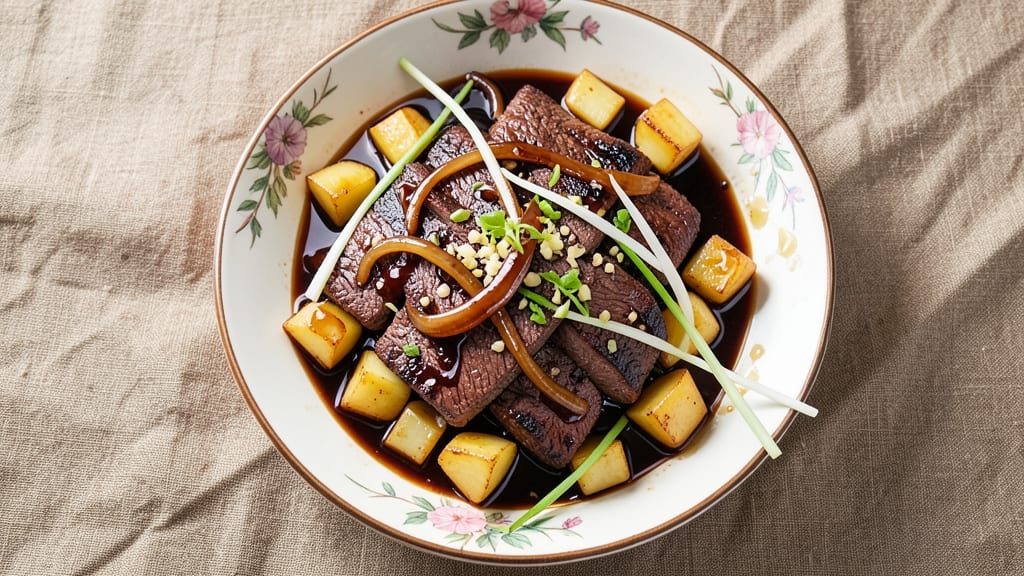
This beef and potato Chinese recipe delivers the perfect balance of savory, umami-rich flavors with restaurant-quality crispy edges—all in one wok-fried dish. The secret lies in high-heat stir-frying, where tender beef and hearty potatoes develop a golden crust while absorbing aromatic spices and a velvety sauce.
I've perfected this dish after years of testing, ensuring every bite delivers that satisfying contrast of textures and bold flavors.
The recipe begins with a simple marinade of soy sauce, garlic, and ginger that tenderizes the beef while building deep umami layers. Potatoes are cut into even chunks to ensure they cook uniformly, achieving that coveted crispy exterior without sacrificing a tender interior.
The wok technique is key—high heat and constant stirring prevent sogginess, resulting in a dish that's as impressive as it is delicious.
What you'll end up with is a vibrant, aromatic stir-fry where succulent beef and crispy potatoes are coated in a glossy sauce that's both sweet and tangy. The dish is hearty enough to stand alone but pairs beautifully with steamed jasmine rice or egg noodles for a complete meal.
This recipe captures the essence of Chinese home cooking—simple ingredients, bold flavors, and a technique that transforms ordinary ingredients into something extraordinary.
Whether you're serving this for a family dinner or a gathering with friends, it's a dish that will leave everyone asking for seconds. The best part? It comes together in under 45 minutes, making it perfect for weeknight dinners without sacrificing restaurant-quality results. Let's get cooking!
Ingredients for beef and potato chinese
Here's what transforms ordinary beef and potatoes into a restaurant-worthy umami bomb—crispy edges, tender centers, and a sauce that's addictive in every bite.
| Ingredient | Amount | Notes |
|---|---|---|
| Flank Steak (Beef) 🥩 | 1 ½ lb | Thinly sliced against grain |
| Yukon Gold Potatoes 🥔 | 2 lbs | Cut into 1.5-inch chunks |
| Light Soy Sauce 🍶 | ½ cup | High-quality brand preferred |
| Dark Soy Sauce 🍶 | 1 tbsp | For depth and color |
| Garlic Cloves 🧄 | 6 cloves | Minced finely for aroma |
| Fresh Ginger 🌿 | 2 tbsp | Grated, no need to peel |
| Sesame Oil 🫒 | 1 tbsp | Toasted sesame oil preferred |
| Cornstarch 🌾 | 2 tbsp | For crispy coating |
| Vegetable Oil 🫒 | ½ cup | High smoke point oil |
| Honey 🍯 | 1 tbsp | For sweet-tangy balance |
| Rice Vinegar 🍶 | 1 tbsp | White rice vinegar preferred |
| Green Onion 🧅 | 3 whole | Sliced for garnish |
| Ground White Pepper 🌶️ | ½ tsp | Freshly ground preferred |
| Salt 🧂 | 1 ½ tsp | Diamond Crystal preferred |
The beef is where this dish shines—flank steak is ideal for its lean texture and perfect marbling. Ask your butcher to slice it thin against the grain (or do it yourself with a sharp knife), and trust me, it's worth the effort. For potatoes, Yukon Golds are your best bet—they hold their shape while developing that golden crust. I always grab mine from Whole Foods or the organic section at Kroger; they're worth the slight price bump. The soy sauces? Lee Kum Kee light and dark are my go-tos—they've got that perfect balance of saltiness and umami that's hard to beat with store brands.
No flank steak? Flank steak substitutes like sirloin or even chicken thighs work in a pinch (adjust cooking time), but beef is non-negotiable for that authentic flavor. Short on soy sauce? Coconut aminos at 1:1 ratio works surprisingly well, though you'll lose some depth. The cornstarch is your secret weapon for crispy edges—don't skip it, and make sure it's arrowroot-free for that proper wok texture. For the ginger, fresh is non-negotiable here—dried just won't cut it. And if you're feeling fancy, toast your sesame oil in the wok for 30 seconds before adding everything else—game-changer for flavor development.
This dish reheats like a dream—just toss it in a hot wok with a splash of water for 2-3 minutes, and it'll taste almost as good as fresh. Store leftovers in an airtight container for up to 4 days, or freeze portions for 3 months (though honestly, it won't last that long). I always make double batches because this disappears faster than you can say 'second helping.' The potatoes soften when reheated, so if you're serving it cold, wait until the last minute to toss them in the sauce—crispy edges only.
Why You'll Love This Recipe
- One-Pan Magic: I swear by this recipe when I’m too tired to wash dishes. Flank steak and potatoes roast together on a single sheet pan—no fussing with multiple pots or pans. The dark soy sauce caramelizes right on the tray, turning everything sticky-sweet without extra cleanup.
- Umami Bomb: Between the light soy’s tang and dark soy’s molasses depth, this dish hits hard. Add a few crushed garlic cloves while the steak sears, and suddenly you’ve got that restaurant-quality wok flavor—rich, smoky, and just a little addictive. (Yes, I’ve eaten leftovers cold the next day.)
- Budget Crowd-Pleaser: Flank steak stretches farther than you’d think when sliced thin, and Yukon Golds are forgiving if you grab them on sale. This feeds four for under $20, and my roommates always ask for seconds—even the picky ones. Honestly, it’s my go-to for game nights or lazy Sundays.
- Leftovers That Don’t Suck: Unlike stir-fries that dry out, this dish actually improves the next day. The potatoes soften just enough to soak up extra sauce, and the steak stays tender. I portion it into containers on Sunday—perfect for lunches or a quick reheat when I’m starving at midnight. (No sad, rubbery textures here.)
Step-by-step instructions for wok-fried beef and potatoes
Here's how to transform simple ingredients into a restaurant-quality dish with perfectly crispy edges and deep umami flavor.
Marinate the Flank Steak
Place the 1.5 lb flank steak between two sheets of plastic wrap and slice it thinly against the grain using a sharp knife. This creates tender, bite-sized pieces that cook quickly and evenly. In a bowl, combine 0.5 cup light soy sauce, 1 tbsp dark soy sauce, 1 tbsp honey, 1 tbsp rice vinegar, 0.5 tsp ground white pepper, and 1.5 tsp salt. Add the sliced beef and toss gently to coat completely. Let it marinate for at least 30 minutes (or up to 2 hours in the refrigerator) to develop maximum flavor.
I always marinate beef for this dish—it's the secret to that irresistible savory depth. The acidity from the rice vinegar tenderizes the meat slightly while the soy sauces infuse it with that classic Chinese umami punch. Don't skip this step, even if you're short on time—just 30 minutes makes a noticeable difference.
Prepare the Potatoes and Aromatics
While the beef marinates, cut the 2 lbs Yukon Gold potatoes into 1.5-inch chunks—uniform size ensures even cooking. In a separate bowl, combine the potato pieces with 2 tbsp cornstarch, tossing until each piece is lightly coated. This creates a crispy exterior that contrasts beautifully with the tender beef.
Next, prepare your aromatics by finely mincing the 6 cloves garlic and grating the 2 tbsp fresh ginger. The key here is to get the ginger as finely grated as possible—you want it to almost dissolve into the sauce rather than remain as visible chunks. I like to use the small holes on a box grater for this texture. Keep these separate until you're ready to cook.
Cook the Potatoes to Crispy Perfection
Heat 0.5 cup vegetable oil in a wok or large skillet over medium-high heat until it shimmers but doesn't smoke. Add the cornstarch-coated potatoes in a single layer, being careful not to overcrowd the pan. Cook undisturbed for 5-6 minutes until the edges turn golden brown and crispy. This is where the magic happens—those crispy edges are what makes this dish so satisfying.
Real talk: Don't walk away during this step. You'll know it's ready when you see bubbles forming and the potatoes start to develop a caramelized crust. If they brown too quickly, reduce the heat slightly. Once golden, transfer the potatoes to a plate and set aside. The residual heat will keep them warm while you cook the beef.
Finish the Beef and Combine
In the same wok (no need to clean it—the fond adds flavor), add 1 tbsp sesame oil and swirl to coat the pan. Increase heat to high and add the marinated beef in a single layer. Cook undisturbed for 2-3 minutes until the edges are deep brown and the beef is cooked through. The high heat sears the exterior while keeping the interior tender.
Return the potatoes to the wok and add the minced garlic and ginger. Stir-fry for 1-2 minutes until the garlic turns golden and the ginger is fragrant. Pour in the remaining marinade from the beef and toss everything together for 1 minute to combine. The sauce should coat the beef and potatoes evenly, creating that perfect glossy finish.
Garnish and Serve Immediately
Remove from heat and let the dish rest for 1 minute—this allows the flavors to meld slightly. Garnish with sliced 3 whole green onions just before serving. The fresh green onion adds a bright contrast to the rich, savory flavors of the beef and potatoes.
Serve this dish immediately while everything is still hot and crispy. The contrast of tender beef, crispy potatoes, and that glossy umami sauce is what makes this recipe so special. I like to pair it with steamed jasmine rice to soak up all the delicious sauce—it's a match made in heaven.
Pro Tips For Making Beef And Potato Chinese
- Slice Steak Against Grain: I learned this the hard way—flank steak stays tough if you cut it with the grain. After slicing, hold a piece up to the light and look for those long muscle fibers; your knife should go across them. Thin strips (about ¼-inch) cook faster and stay tender when tossed with potatoes.
- Parboil Potatoes First: Skip the raw potato drama. Parboiling Yukon Golds for 5 minutes in salted water keeps them from turning mushy when stir-fried later. Drain well and let them dry on a towel for 2 minutes—this prevents a soggy, gloppy mess in your wok.
- Use Dark Soy for Color: Light soy adds flavor, but dark soy is your golden ticket for that deep, caramelized crust. Toss the potatoes in a tablespoon of dark soy before cooking—it sticks to the starches and browns like magic. (Yes, even if you’re impatient like me.)
- Sear Meat in Batches: Flank steak releases a ton of liquid when seared, and crowding the pan turns your stir-fry into a stew. Cook the beef in two batches over high heat for 1-2 minutes per side—just until it’s browned, not fully cooked. It’ll finish in the sauce later.
Wine and beer pairings for these flavors
Red Wine Pairings
A bold Chinese red blend is my go-to choice for this dish—look for something with 15-20% cabernet sauvignon and 10% merlot for that classic Chinese restaurant depth. The Lee Fu Man red blend from Hong Kong has just the right balance of fruit and earthiness to complement the umami flavors.
Serve it slightly chilled (60-62°F) to let the wine's acidity cut through the richness without overwhelming the dish. 🍷
Light Beer Options
For beer lovers, a crisp Chinese lager like Tsingtao or Snow Beer works beautifully—the clean, slightly malty profile lets the beef and potato flavors shine. If you prefer craft options, try a light wheat beer with citrus notes, like Blue Moon, to mirror the rice vinegar in the sauce.
Just avoid heavy IPAs or stouts, which would drown out the dish's delicate balance.
Rice Wine Garnish
Here's a pro tip: Add 1 tsp Shaoxing wine to your sauce while cooking—it deepens the umami and pairs perfectly with the beef. For serving, drizzle a tiny amount of Chinese rice wine (huangjiu) over the top just before eating.
The nutty, slightly sweet notes elevate the dish to restaurant-level sophistication. I keep a bottle of Kweichow Moutai in my pantry for special occasions.
Non-Alcoholic Pairings
Don't drink alcohol? No problem. A jasmine tea with honey is my favorite non-alcoholic pairing—the floral notes complement the dish's savory-sweet profile. For something more refreshing, try sparkling yuzu soda—the citrusy bubbles cleanse your palate between bites. Both options highlight the dish's vibrant flavors without competing with them. 💧
Regional Chinese Wine
If you want to get really authentic, seek out Chinese dry reds from regions like Yunnan or Ningxia. These wines often incorporate local grapes like Cabernet Gernischt and have earthy, spice-forward characteristics that mirror traditional Chinese cooking techniques.
I found an excellent option at World Market—look for bottles labeled "Chinese red" rather than generic "Asian wine."
Nutrition facts
Frequently asked questions
Can I substitute flank steak with another cut of beef?
For this recipe, you can use sirloin or ribeye as substitutes, but slice them thinly against the grain to ensure tenderness. Chuck roast works too, though it's slightly fattier—trim excess fat and marinate for at least 2 hours for best results. Avoid tougher cuts like flank steak's cheaper alternatives, which won't yield the same texture when cooked quickly.
Why do my potatoes turn mushy instead of crispy?
Mushy potatoes usually happen from overcrowding the pan or cooking at too low heat. Always cook potatoes in a single layer over medium-high heat and avoid stirring until they develop a golden crust (5-6 minutes). The cornstarch coating is crucial—toss potatoes thoroughly before cooking. If they stick, your pan isn't hot enough; let it heat up properly before adding oil.
How do I make this dish spicier?
Add ½ teaspoon of chili flakes or 1 teaspoon of Sichuan peppercorns (lightly toasted) to the marinade for a subtle kick. For heat lovers, stir in 1 tablespoon of chili garlic sauce with the remaining marinade at the end. Pro tip: Fresh red chili slices (like Thai bird's eye) add vibrant color and heat—just toss them in during the final 1 minute of cooking.
Can I make this recipe in a regular skillet instead of a wok?
Yes! While a wok gives the best crispy edges, a 12-inch cast-iron skillet works perfectly. Use high heat and cook in batches if needed—don't overcrowd. The key is maintaining that high heat throughout. For extra wok-like results, add ½ cup water to the pan after cooking the beef, cover, and steam for 2 minutes to create a simple sauce.
What's the best way to reheat leftovers?
Reheat in a wok or skillet over medium-high heat with 1 tablespoon vegetable oil for 3-4 minutes, stirring constantly. Add 1-2 tablespoons water to restore moisture and crispiness. Microwaving works in a pinch, but the texture suffers—always reheat with oil and heat for best results. Leftovers keep well for 4 days in an airtight container.