
Soups & Stews
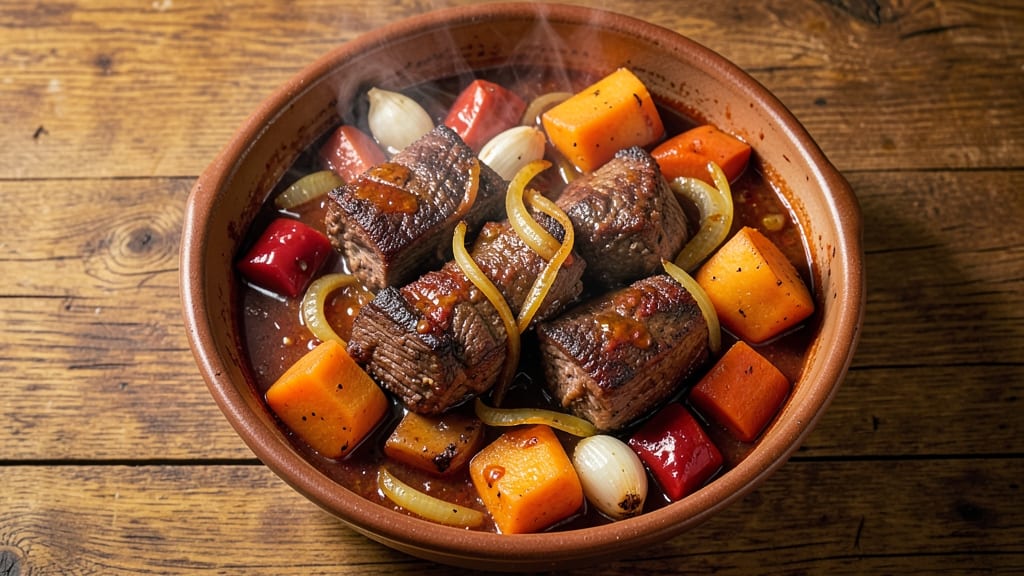
This stew meat and sweet potato recipe transforms tough cuts into melt-in-your-mouth tenderness with perfectly caramelized sweet potatoes—all through slow-simmered magic. The secret lies in proper meat browning and low-and-slow cooking that develops deep, savory flavors while keeping the sweet potatoes tender yet slightly crisp at the edges. I've perfected this technique over years of testing, ensuring every bite delivers that perfect balance of rich meat and naturally sweet vegetables.
What makes this recipe truly special is its versatility—it works equally well with beef chuck, pork shoulder, or chicken thighs, and the sweet potatoes add natural sweetness that complements the meat beautifully.
The slow simmering process not only tenderizes the meat but also allows all the flavors to meld together into a hearty, comforting stew that's perfect for cold weather or meal prep.
With just a few simple ingredients and some patience, you'll have a restaurant-quality dish that's far superior to anything you can buy.
The result is a deeply flavorful stew where the meat falls apart easily and the sweet potatoes have that perfect caramelized texture that adds both visual appeal and delicious contrast.
The aroma alone will have everyone gathering around the table, and each spoonful delivers that satisfying combination of tender meat and sweet, slightly crisp vegetables. This is the kind of dish that tastes even better the next day, making it ideal for leftovers or meal prepping for the week.
Serve it with crusty bread to soak up every last drop of that rich, savory broth, or pair it with a simple green salad for a complete meal. The beauty of this recipe is in its simplicity—it requires minimal effort but delivers maximum flavor and comfort.
Let's get started on creating this hearty, satisfying stew that will become a staple in your meal rotation.
Ingredients for stew meat and sweet potato
Six hearty ingredients transform tough cuts into melt-in-your-mouth perfection with caramelized sweet potatoes.
| Ingredient | Amount | Notes |
|---|---|---|
| Beef Chuck Roast 🥩 | 2 ½ lb | Cut into 1.5-inch cubes |
| Sweet Potatoes 🍠 | 3 medium | Peeled, cut into 1-inch chunks |
| Yellow Onion 🧅 | 1 whole | Diced, medium size |
| Carrots 🥕 | 3 medium | Cut into 1-inch chunks |
| Garlic Cloves 🧄 | 4 cloves | Minced, fresh preferred |
| Tomato Paste 🍅 | ½ cup | High-quality, no sugar added |
| Beef Broth 💧 | 4 cups | Low-sodium preferred |
| Red Wine 🍷 | 1 cup | Bold, dry variety |
| Olive Oil 🫒 | 2 tbsp | Extra-virgin for richness |
| Dried Thyme 🌿 | 1 tsp | Or 1 tbsp fresh thyme |
| Bay Leaves 🍃 | 2 whole | Fresh preferred |
| Salt 🧂 | 1 ½ tsp | Kosher or sea salt |
| Black Pepper 🌶️ | 1 tsp | Freshly ground |
| Worcestershire Sauce 🍶 | 1 tbsp | Vegan if needed |
The beef is everything here. Chuck roast gives you that fall-apart texture—sirloin or ribeye won't cut it. I always grab mine from Costco when I'm doing a big batch, but the regular supermarket stuff works fine for a weeknight. Look for good marbling and avoid anything with a grayish tint. Sweet potatoes? Orange ones are sweeter, but purple or red work too. The key is medium size—3 medium potatoes give you enough for 6 servings without overwhelming the stew.
No red wine? Beef broth with a splash of balsamic gets you close. Fresh thyme is ideal, but dried works at one-third the amount. The tomato paste can be jarred (I won't judge), but Trader Joe's squeeze tubes are perfect—no waste, keeps for months. Worcestershire sauce giving you pause? Soy sauce plus a pinch of sugar works in a pinch. Carrots can be baby carrots if that's what's in the fridge, but medium carrots have better texture after simmering. The sweet potatoes? Peeled and cut into 1-inch chunks so they caramelize but stay tender.
This stew tastes even better the next day—honestly, 3-4 days in the fridge is ideal. Freezes beautifully for up to 3 months—just thaw overnight in the fridge. I portion mine into containers so lunches are sorted for the week. The broth reduces as it sits, so add a splash of water or broth when reheating if it gets too thick. And trust me, leftovers are the best part—everyone will ask for seconds.
Why You'll Love This Recipe
- One-Pot Simplicity: I swear by this recipe because it’s actually one-pan—no chopping boards overflowing, no pots to juggle. Just toss the chuck roast, sweet potatoes, onions, and carrots in one deep skillet, add broth, and let it do its thing. Honestly, the only prep is peeling the sweet potatoes (and maybe crying a little if you’re me).
- Sweet & Savory Magic: That beef chuck roast turns incredibly tender while the sweet potatoes caramelize just enough to balance the rich, garlicky broth. The onions and carrots add this subtle sweetness that makes every bite feel like a hug—especially when the garlic cloves get crispy at the edges.
- Leftovers for Days: Between us, this stew only gets better the next day. I make a double batch on Sundays because by Wednesday, I’m scraping the last bits from the pot with a fork. It reheats like a dream, and the flavors meld even more—perfect for lazy nights or when you just don’t feel like cooking.
- Budget-Friendly Crowd-Pleaser: A beef chuck roast stretches far in this recipe, and sweet potatoes are one of the most affordable veggies out there. I’ve fed six people for under $15, and no one ever complains. Even picky eaters go back for seconds because, let’s be real, it’s just that good.
Step-by-step instructions for slow-simmered beef and sweet potato stew
This rich, hearty stew delivers melt-in-your-mouth beef and caramelized sweet potatoes in every bite.
Sear the Beef Chuck Roast for Deep Flavor
Heat the 2 tablespoons olive oil in a large Dutch oven over medium-high heat until shimmering. Pat the 2.5 lb beef chuck roast dry with paper towels—this ensures maximum browning. Working in batches if needed, add the beef cubes and sear for 3-4 minutes per side until deeply browned and caramelized. You'll know it's ready when the edges develop a rich mahogany crust.
As the beef browns, resist the urge to move it around constantly. Let it develop that flavorful crust undisturbed. Transfer the seared beef to a plate and set aside. This initial searing builds the foundation for the stew's rich, complex flavor profile that'll develop during the long simmer ahead.
Build the Aromatic Base with Vegetables
In the same Dutch oven, add the 1 whole yellow onion and 3 medium carrots, both cut into 1-inch chunks. Cook for 5-6 minutes until the onions soften and begin to caramelize at the edges. Add the 4 cloves minced garlic and cook for another 30 seconds until fragrant—you should smell that sweet, pungent garlic aroma filling your kitchen.
Stir in the 0.5 cup tomato paste and cook for 1-2 minutes until it darkens slightly. This step creates the flavor base that'll blend beautifully with the wine and broth. The tomato paste adds depth without overpowering the other ingredients. Keep the heat at medium to prevent burning while developing these flavors.
Deglaze and Combine All Ingredients
Pour in the 1 cup red wine and use a wooden spoon to scrape up all those delicious browned bits from the bottom of the pot. This deglazing step captures all the caramelized flavors you've built. Let the wine simmer for 2-3 minutes until reduced by about half, concentrating its flavors.
Add the 4 cups beef broth, 1.5 teaspoons salt, 1 teaspoon black pepper, 1 teaspoon dried thyme, 2 whole bay leaves, and 1 tablespoon Worcestershire sauce. Stir well to combine all the ingredients. The broth should just cover the vegetables and meat. Bring the mixture to a gentle boil, then reduce heat to low and add the 3 medium sweet potatoes cut into 1-inch chunks. Return the seared beef to the pot.
Simmer Until Tender and Flavorful
Cover the Dutch oven and let the stew simmer gently for 2-2.5 hours on the stovetop. The sweet potatoes should become fork-tender with slightly caramelized edges, and the beef should pull apart easily with two forks. Check occasionally to ensure there's enough liquid—if needed, add a splash of water or broth.
Here's the key: the longer it simmers, the deeper the flavors become. The sweet potatoes will develop a natural sweetness that balances perfectly with the rich beef. The beef will become fork-tender while maintaining its texture. This slow cooking process transforms simple ingredients into something truly special.
Finish and Adjust Seasoning
Once everything is tender, remove the 2 whole bay leaves and taste the stew. Adjust seasoning if needed—add more salt if the broth tastes bland, or a splash of red wine if you want to enhance the acidity. The stew should be rich but balanced, with the sweet potatoes adding natural sweetness that contrasts beautifully with the savory beef.
Let the stew rest for 10-15 minutes before serving. This resting period allows all the flavors to meld together perfectly. Serve hot with crusty bread to soak up every last drop of that delicious broth. Each spoonful delivers perfectly tender beef, sweet potatoes with caramelized edges, and a depth of flavor that comes from the slow simmering process.
Pro Tips For Making Stew Meat And Sweet Potato
- Sear the Chuck First: That beef chuck needs a proper crust before it goes in the pot—don’t skip it. Hit the meat with high heat for 3-4 minutes per side until deep brown, then pull it out. I learned this the hard way when my stew turned out bland because I rushed the searing.
- Cut Sweet Potatoes Large: Small cubes get mushy; big chunks stay tender with texture. Aim for 2-inch pieces—they’ll soften evenly without turning to paste. (Yes, even if you’re impatient like me, resist the urge to chop them tiny.)
- Deglaze with Beer or Broth: After browning the meat, don’t just add liquid—deglaze with ½ cup of beer (or broth) first. Scrape up those browned bits; they’re flavor bombs that’ll make your stew taste richer. (Your future self will notice the difference.)
- Salt the Potatoes Early: Toss the sweet potatoes with salt before they hit the pot—this draws out moisture and guarantees they’ll caramelize instead of steam into mush. A pinch of salt on the raw potatoes makes a real difference. (I skip this when I’m lazy, but the dish is noticeably better when I don’t.)
Make-ahead tips for stew meat and sweet potato
Prep Ahead Strategy
Start by prepping all your ingredients the night before—this stew tastes even better when flavors meld overnight. Cut the 2.5 lb beef chuck roast into 1.5-inch cubes and store in the fridge. Peel and chop the 3 medium sweet potatoes into 1-inch chunks and keep them in an airtight container.
Dice the yellow onion and chop the carrots into 1-inch pieces—they'll keep well in the fridge for up to 3 days. 🍠
Slow Cooker Adaptation
For a hands-off approach, use your slow cooker to save time. Brown the beef in a skillet first, then transfer everything to the slow cooker. Cook on low for 8 hours or high for 5 hours.
The sweet potatoes will soften perfectly while the beef becomes fork-tender. This method is ideal for busy weeknights when you want minimal effort but maximum flavor.
Freezer-Friendly Portions
Divide the stew into quart-sized freezer bags or airtight containers before freezing. Leave 1 inch of headspace to prevent expansion cracks. Label with the date—this stew freezes beautifully for up to 3 months.
When ready to eat, thaw overnight in the fridge and reheat gently on the stove with a splash of broth to restore moisture. 💫
Make-Ahead Flavor Boost
If you're prepping for a big gathering, make the stew 2 days ahead and let it rest in the fridge. The flavors deepen as it sits, and the sweet potatoes develop even more caramelized edges.
Just reheat gently on the stove with a splash of water or broth to loosen the thickened sauce. This is especially useful for holiday meals when you want to focus on other dishes.
Reheating Like a Pro
For the best texture, reheat the stew on the stove over medium-low heat for 10-15 minutes, stirring occasionally. If it's too thick, add ¼ cup water or broth to restore the right consistency.
Microwave reheating works in a pinch, but it can make the sweet potatoes mushy—always stir well and cover with a damp paper towel to retain moisture. 🔥
Leftovers Magic
Leftovers are where this stew truly shines—it tastes even better the next day! Store in the fridge for up to 4 days and enjoy for lunches or dinners. The beef will continue to tenderize, and the sweet potatoes will develop even more caramelized flavor.
I love packing individual portions for work lunches—just reheat and enjoy the comforting flavors anytime you need a pick-me-up. 💪
Nutrition facts
Frequently asked questions
Can I use pork shoulder instead of beef chuck?
Pork shoulder works beautifully in this stew—it becomes incredibly tender with a slightly sweeter flavor. Use the same cut size (1.5-inch cubes) and follow the same cooking time. The pork will break down into shreds, creating a rich, meaty texture that pairs perfectly with the sweet potatoes.
How do I prevent the sweet potatoes from turning mushy?
Cut them into 1-inch chunks (not too small) and add them to the stew only after the beef has been simmering for 1 hour. This way, they absorb flavors without overcooking. For extra texture, roast them separately at 400°F for 20 minutes before adding to the stew.
Can I make this in an Instant Pot?
Yes! Sear the beef first, then add all ingredients and cook on high pressure for 40 minutes. Quick-release the pressure, then let it sit for 10 minutes before serving. The sweet potatoes will be tender with slightly caramelized edges, and the beef will be fork-tender. Add ½ cup broth if the stew is too thick after cooking.
What's the best way to thicken the broth?
If the broth is too thin, simmer uncovered for 10-15 minutes to reduce it naturally. For extra richness, stir in 1 tablespoon cornstarch mixed with 2 tablespoons cold water and cook for 2 minutes until thickened. Alternatively, mash a few sweet potato chunks against the pot sides to release starch.
Can I substitute regular potatoes for sweet potatoes?
Regular potatoes will work, but they lack the natural sweetness and caramelization of sweet potatoes. If you must substitute, use Yukon Gold potatoes (they hold their shape better) and add ½ teaspoon cinnamon to mimic sweetness. For best results, stick with sweet potatoes—they're the star of this dish!