
Side Dishes
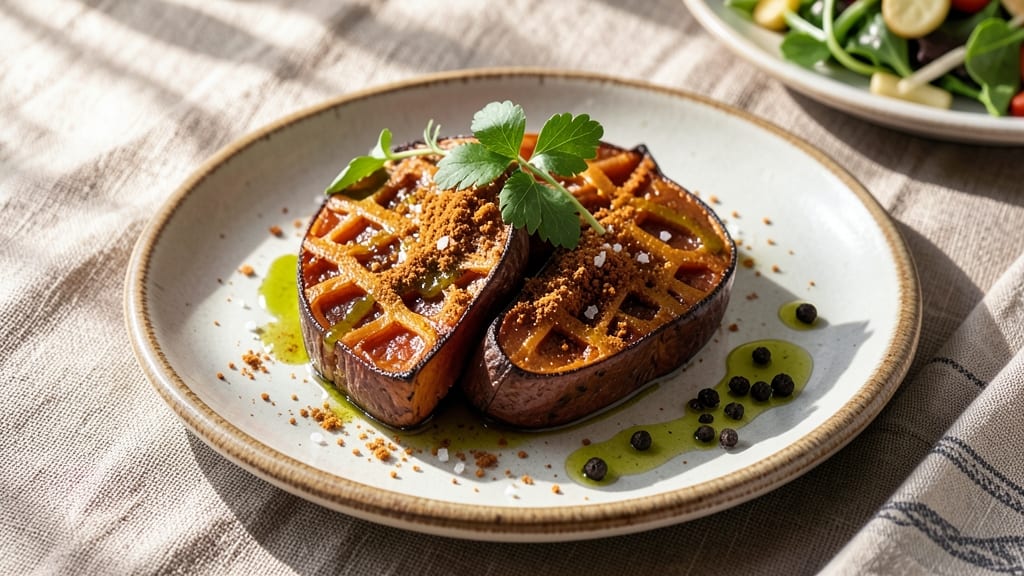
This sweet potato acid reflux recipe transforms a comforting classic into a gentle, digestion-friendly side that skips the triggers while keeping flavor intact. Roasting brings out natural sweetness without overpowering spices, making it perfect for sensitive stomachs.
The secret lies in mild seasonings like cinnamon and ginger, which soothe rather than irritate.
What sets this apart is the focus on reflux-friendly ingredients—no garlic, onions, or acidic components—while still delivering satisfying texture. Sweet potatoes provide fiber and vitamin A, while turmeric adds anti-inflammatory benefits. The dish pairs beautifully with steamed greens or plain rice for a complete meal.
By the time you’re done, you’ll have tender, caramelized sweet potatoes with a subtle spice blend that’s gentle yet flavorful. The natural sweetness shines through without relying on added sugars or spicy seasonings. This is comfort food that works for your digestion.
Perfect for anyone managing acid reflux or simply seeking lighter sides, this recipe proves healthy eating doesn’t mean sacrificing taste. Let’s get started with a method that’s as kind to your stomach as it is delicious.
Ingredients for sweet potato acid reflux
Roasting brings out sweetness while gentle spices soothe digestion—just eight ingredients for comfort food that works.
| Ingredient | Amount | Notes |
|---|---|---|
| Sweet Potatoes 🍠 | 2 lbs | Medium-sized, peeled and cubed |
| Extra-Virgin Olive Oil 🫒 | ¼ cup | For even coating and roasting |
| Ground Cinnamon 🌿 | 1 tsp | Warmth without irritation |
| Ground Ginger 🌶️ | ½ tsp | Freshly ground preferred |
| Ground Turmeric 🧂 | ½ tsp | Anti-inflammatory benefits |
| Sea Salt 🧂 | ½ tsp | Fine grain preferred |
| Pure Maple Syrup 🍯 | 1 tbsp | Light drizzle for sweetness |
| Fresh Parsley 🌿 | ¼ cup | Chopped, for garnish |
| Coconut Oil 🥥 | 1 tbsp | For extra moisture (optional) |
| Plain Greek Yogurt 🧀 | 2 tbsp | For serving (optional) |
Sweet potatoes are the star here—organic or conventional both work, but organic avoids pesticide residue. Trader Joe's and Whole Foods carry pre-peeled for convenience, but peeling yourself ensures no skin bits. Medium-sized potatoes (about 6-8 oz each) roast evenly, so aim for two that’ll yield roughly 2 lbs total. If using pre-cut, rinse well to remove excess starch. The key is even cubing—1.5-inch pieces cook perfectly without burning. For extra tenderness, I sometimes microwave them 3 minutes before roasting (trust me on this).
No fresh ginger? Ground works fine, but the flavor’s more subtle—double the amount if you’re using dried. Swap maple syrup for agave nectar if preferred, but avoid honey (it’s acidic). The coconut oil is optional but adds a lovely richness; if skipping, just use a splash more olive oil. For the parsley, fresh is ideal but dried at one-third the amount works in a pinch. The Greek yogurt at the end adds a cooling element—plain, unsweetened so it doesn’t trigger reflux. If avoiding dairy, use coconut yogurt instead.
Roasted sweet potatoes keep 5 days in the fridge, but they’re best within 2 days for peak texture. For longer storage, freeze portions for up to 3 months. I like to reheat them in a dry skillet over medium heat—just a few minutes until warmed through. The yogurt topping should be added fresh, as it separates when stored. Double the batch if you’re feeding a crowd—these disappear fast, especially with the extra coconut oil drizzle.
Why You'll Love This Recipe
- One-Pan Magic: I swear by this recipe when I’m too tired to scrub pots—just toss peeled sweet potatoes in olive oil, sprinkle the spices, and roast. No chopping, no mess, no stress. The cinnamon and ginger caramelize right on the sheet pan while you’re still deciding what to watch on TV.
- Warm Spice Hug: That first bite? Like a cozy blanket for your taste buds. The turmeric gives it a golden glow, the ginger adds a gentle kick, and the cinnamon wraps it all in earthy sweetness—no heavy spices to trigger reflux, just pure comfort.
- Leftovers That Save Me: Make a double batch on Sunday, and I’ve got lunch for the week. The flavors only deepen overnight, and reheating is a breeze—just a quick zap in the microwave or a warm in the oven. My go-to when I’m too busy to cook.
- Budget-Friendly Comfort: Sweet potatoes are dirt cheap, and a little olive oil plus those pantry spices stretch this dish far. Honestly, it’s my secret weapon for feeding the family without breaking the bank—especially when paired with a simple salad or yogurt.
Step-by-step instructions for gentle roasted sweet potatoes
Here's how to create a soothing, acid-reflux-friendly dish that's naturally sweet and packed with anti-inflammatory spices.
Prep and Season the Sweet Potatoes
Start by peeling the 2 lbs sweet potatoes and cutting them into even 1-inch cubes. I like to use a mandoline for uniform pieces, but a sharp chef's knife works too. The key here is consistency—the cubes should all be roughly the same size so they cook evenly.
In a large bowl, combine the sweet potato cubes with the 0.25 cup extra-virgin olive oil, 1 tsp ground cinnamon, 0.5 tsp ground ginger, 0.5 tsp ground turmeric, and 0.5 tsp sea salt. Toss gently but thoroughly to coat each piece evenly. The spices should cling to the sweet potatoes rather than settling at the bottom. This ensures every bite gets that soothing, warming flavor without being overpowering.
Let the seasoned sweet potatoes sit at room temperature for 15 minutes. This brief rest allows the flavors to meld slightly and prevents them from steaming when they hit the hot oven. It's a small step, but it makes a noticeable difference in the final texture and taste.
Roast Until Tender and Caramelized
Preheat your oven to 400°F. Line two large baking sheets with parchment paper or lightly grease them with coconut oil if you're using it. Spread the seasoned sweet potatoes in a single layer, leaving about 1 inch between each piece. Crowding them will cause uneven cooking and steam instead of crispy edges.
Roast for 25 minutes, then carefully flip each piece using a spatula. You'll notice the edges start to caramelize—that's when you know they're getting tender inside. Return to the oven and roast for another 20-25 minutes, until the sweet potatoes are fork-tender with slight resistance and the edges are deep golden brown.
I check doneness by piercing a piece with a fork—the tines should slide in easily, but you should still feel a bit of resistance. If they're browning too quickly but not tender enough, tent them loosely with foil for the last 10 minutes to prevent over-browning while they finish cooking.
Finish with Sweetness and Garnish
Once the sweet potatoes are perfectly tender, remove them from the oven and transfer to a serving bowl. Drizzle with the 1 tbsp pure maple syrup and toss gently to coat. The syrup adds a light sweetness that's gentle on digestion while complementing the warm spices. Let them sit for 2-3 minutes so the syrup can absorb slightly into the warm potatoes.
Garnish with the 0.25 cup chopped fresh parsley just before serving. The parsley adds a fresh contrast to the warm spices and a pop of color that makes the dish feel complete. I like to sprinkle it lightly over the top rather than mixing it in—it keeps the presentation elegant while adding freshness.
Serve with Optional Yogurt Drizzle
For an extra touch of creaminess that's gentle on digestion, drizzle with the 2 tbsp plain Greek yogurt. Warm the yogurt slightly if desired—just enough to make it pourable but not hot. The yogurt adds a cooling element that balances the warmth of the spices and makes the dish even more soothing.
Serve immediately while still warm. The combination of tender sweet potatoes, warm spices, and cooling yogurt creates a perfect balance for acid reflux sufferers. Each bite should be naturally sweet, comforting, and easy on the stomach without being bland or heavy.
Pro Tips For Making Sweet Potato Acid Reflux
- Peel After Roasting: Sweet potatoes are easier to handle when warm—skip peeling raw, or you’ll end up with bruised flesh. Roast them whole first, then slip off the skin under running water once cooled enough to handle. (Yes, it’s messier, but your knife stays sharp and the texture stays intact.)
- Toast the Spices: Warm your cinnamon, ginger, and turmeric in a dry pan for 30 seconds before mixing with olive oil. This blooms their flavors and cuts through the earthy sweetness—no more tasting just "spiced potato." (I learned this after making a batch that tasted like bland dust.)
- Cut Even Slices: Use a mandoline for ¼-inch thick rounds, or a sharp chef’s knife with a ruler as a guide. Uneven pieces burn on the outside while staying raw inside—no one wants a sad, half-cooked center. (Trust me, I’ve served that.)
- Oil the Pan First: Coat your roasting pan or sheet tray with olive oil before adding the sweet potatoes. This prevents sticking and lets them crisp without clinging like glue. (Even with EVOO, they’ll still caramelize beautifully—no extra oil needed.)
Essential equipment for perfect results
Oven Essentials
Your oven is the heart of this recipe, so ensure it’s calibrated accurately. I recommend using an oven thermometer (like the Thermoworks Oven Thermometer) to verify the 400°F setting—many ovens run 25°F hotter or colder than displayed.
For even roasting, place your baking sheets on the middle rack where heat circulates most evenly. 🌡️
Use parchment paper or silicon baking mats to prevent sticking and make cleanup effortless. If you prefer stovetop roasting (for smaller batches), a cast-iron skillet on medium-high heat works beautifully—just monitor closely to avoid burning.
For extra crispiness, I sometimes broil for 2-3 minutes at the end, but watch like a hawk!
Cutting Tools
A sharp chef’s knife or mandoline slicer is essential for even cubes. I swear by my Mercer Culinary Genesis knife—it stays sharp longer and makes quick work of sweet potatoes.
For safety, use the hand guard on your mandoline to avoid accidents. If you’re new to mandolines, practice on a few pieces first to get comfortable with the technique.
For speed, consider a food processor with a dicing blade (like the Cuisinart DLC-100)—it chops sweet potatoes in seconds. Just pulse in 2-second bursts to avoid over-processing.
If you’re short on time, a potato ricer creates uniform pieces, though it’s messier. Always wear cut-resistant gloves when handling hard-skinned sweet potatoes.
Seasoning Tools
Measure spices precisely with a scale (like the OXO Good Grips) for accuracy—ground spices lose potency over time. I keep my cinnamon, ginger, and turmeric in small amber glass jars to protect them from light and moisture.
A whisk or fork works best for tossing the sweet potatoes evenly—avoid wooden spoons, which can splinter when scraping the bowl.
For the maple syrup drizzle, a small squeeze bottle (like the OXO Good Grips) gives you perfect control. If you’re adding coconut oil, melt it first in a microwave-safe bowl for 10 seconds—it spreads more evenly than solid oil.
A fine-mesh strainer comes in handy if you’re using fresh ginger (peeled and grated) instead of ground.
Serving Gear
A large serving bowl with a wide rim makes tossing and serving easier. I love my Le Creuset stoneware bowl—it stays warm and looks elegant on the table.
For garnishing, a small pair of kitchen shears trims parsley stems efficiently. If you’re adding Greek yogurt, a small ladle helps create delicate drizzles without overloading the dish.
For presentation, consider a slate serving board or wooden platter to contrast the warm tones of the sweet potatoes. A small offset spatula helps transfer pieces neatly, while a microplane adds zest from fresh ginger or lemon (if tolerated) at the table.
Keep a small bowl of extra parsley nearby for guests to garnish their portions.
Nutrition facts
Frequently asked questions
Why are cinnamon and ginger safe for acid reflux?
These spices are naturally anti-inflammatory and won't trigger reflux like black pepper or chili. Cinnamon adds warmth without irritation, while ginger aids digestion—both are low-acid and gentle on sensitive stomachs. Always use ground forms (not fresh) to avoid fibrous textures.
Can I use regular potatoes instead of sweet potatoes?
Not recommended! Regular potatoes lack the natural sweetness and fiber that make sweet potatoes reflux-friendly. Their starch content can also be harder to digest. If you must substitute, try purple potatoes (lower glycemic index) but reduce roasting time by 5 minutes—they cook faster.
How do I adjust this for a low-FODMAP diet?
Skip the maple syrup and replace with 1 tsp maple-flavored stevia (FODMAP-friendly). Use ginger powder only (not fresh) and omit turmeric—it can cause bloating for some. The sweet potatoes themselves are low-FODMAP in this portion size.
My sweet potatoes turned mushy—what went wrong?
Overcrowding or under-roasting causes mushiness. Always spread pieces 1 inch apart on the tray and check doneness at 20 minutes. If they're still firm, roast 5-10 minutes longer. For extra tenderness, try microwaving cubed potatoes for 3 minutes before roasting.
What proteins pair well with this dish?
Grilled chicken breast (skinless) or baked cod fillets work perfectly—they're lean and easy to digest. For vegetarian options, try steamed tofu (firm) or lentil stew. Avoid fatty meats like bacon or sausage, as they can worsen reflux.