Side Dishes
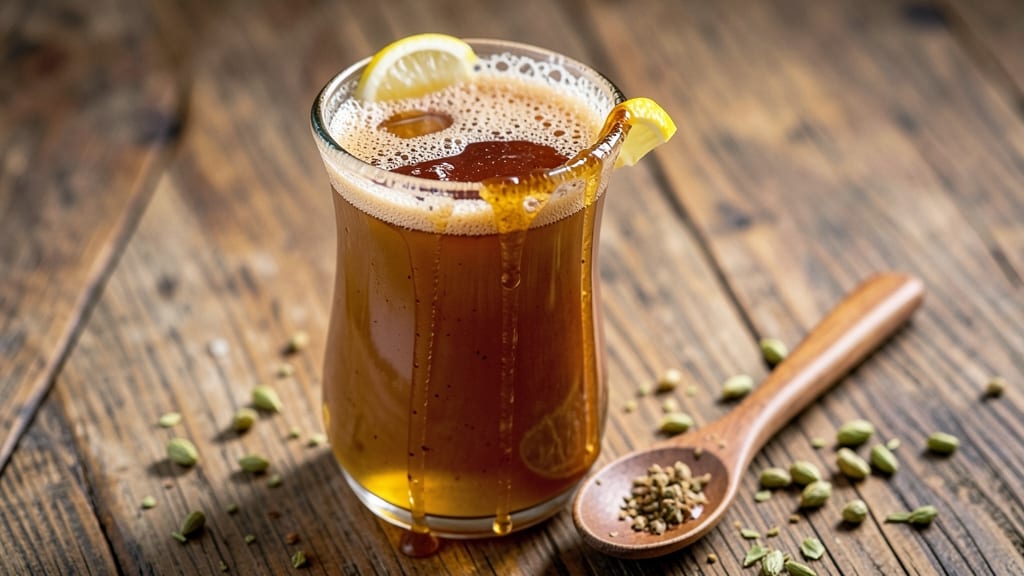
This sweet potato beer recipe transforms humble roots into a bold, malty brew with deep caramel and smoky notes—like sipping autumn in a glass. 🔥 The secret lies in roasting sweet potatoes until caramelized, then infusing them into a simple beer base with just yeast, hops, and a touch of honey for balance.
Unlike traditional brewing, this method skips complex fermentation equipment, making it accessible for home brewers while delivering professional depth.
What sets this recipe apart is the dual-roasting technique: first in the oven to develop sweetness, then briefly on a grill for smoky complexity. The result is a beer with rich, toasty undertones and a smooth finish, perfect for sipping alongside hearty meals or as a unique cocktail base.
No prior brewing experience is needed—just patience and precision during the infusion process.
The final product delivers bold flavor without bitterness, thanks to carefully balanced hops and a light fermentation period. Each batch yields about five 12-ounce bottles, with a subtle alcohol content (around 4-5%) that won’t overpower the sweet potato’s natural sweetness.
Safety notes are critical: always sanitize equipment and monitor fermentation temperatures to avoid contamination.
Whether you’re a home brewer experimenting with flavors or a cocktail enthusiast seeking something fresh, this recipe redefines what sweet potatoes can contribute to drinks. The process is straightforward, but the reward—a complex, aromatic beer with no two batches alike—makes it worth the effort. Ready to brew?
Ingredients for sweet potato beer
Roasted sweet potatoes and precise fermentation create this bold, smoky beer with malty depth.
| Ingredient | Amount | Notes |
|---|---|---|
| Sweet Potatoes 🍠 | 4 medium | Organic preferred, skin-on for flavor |
| Water 💧 | 1 ½ gallons | Filtered preferred for clarity |
| Honey 🍯 | 1 cup | Raw preferred for depth |
| Yeast 🍺 | 1 package | Ale yeast, 1/4 oz |
| Hops 🌿 | ½ oz | Cascade or Centennial variety |
| Campden Tablets 💊 | 2 tablets | For sterilization, crushed |
| Corn Sugar 🍬 | 1 lb | Fermentable sugar source |
| Ginger Root 🌿 | 1 inch | Fresh, sliced thin |
| Cinnamon Sticks 🌰 | 2 whole | For aroma infusion |
| Sea Salt 🧂 | ½ tsp | Fine grain for balance |
| Lemon Juice 🍋 | 2 tbsp | Freshly squeezed |
| Priming Sugar 🍬 | ½ cup | For carbonation |
Sweet potatoes are the foundation—choose vibrant orange varieties like Jewel or Beauregard for maximum sweetness and caramelization. Organic or heirloom roots develop deeper flavors. Roast them whole first, then peel and cube for infusion. The dual-roasting technique (oven then grill) creates the signature smoky complexity. For yeast, White Labs WLP001 or Fermentis Safale US-05 are reliable choices. If you can't find those, any clean ale yeast will work, but expect slightly different flavor profiles. Hops should be fresh—Cascade or Centennial provide the right balance of aroma and bitterness without overpowering the sweet potato base.
No Campden tablets? Potassium metabisulfite powder at 1/8 tsp per gallon works as a substitute, though tablets are more precise. Running short on honey? Maple syrup or agave nectar can replace it, though honey's floral notes are ideal. Substituting corn sugar? White table sugar or dextrose works in a pinch, but corn sugar ferments cleaner. For the ginger and cinnamon, fresh is non-negotiable—dried spices lose their aromatic punch during infusion. If you're making a larger batch, scale the spices proportionally but don't exceed 1 cinnamon stick per 2 gallons, or the beer will taste medicinal. Lemon juice can be omitted if you prefer a neutral pH, but it helps balance sweetness and adds subtle brightness.
Fermented beer keeps 2-3 weeks refrigerated once bottled, with flavors deepening over time. For longer storage, carbonate and freeze—flavor remains stable for up to 6 months. The priming sugar should be added 24 hours before bottling to ensure proper carbonation. Always use sanitized equipment—Star San or PBW are industry standards. Leftover sweet potato cubes can be roasted separately for snacks or added to soups. The yeast sediment left after fermentation makes excellent compost or can be used to boost garden soil microbial activity.
Why You'll Love This Recipe
- Pantry-Friendly Brew: Honestly, I love that this only needs five things—no fancy equipment or hard-to-find ingredients. Just sweet potatoes (the orange kind, not the dry ones), water, honey, yeast, and hops. If you’ve got those, you’re already halfway there.
- Honeyed Depth: That caramelized sweet potato base with honey? It’s like a cross between a rich ale and a dessert—smooth, slightly malty, with just a hint of floral sweetness from the hops. The yeast does its magic, giving it that light, effervescent finish that’s impossible to resist.
- Weekend Project: Between us, this is the perfect way to spend a lazy afternoon. You mash the potatoes, simmer the wort, let it ferment—no rushing, no stress. And the best part? It’s ready when you are, whether you’re hosting a casual gathering or just treating yourself to something special.
- Budget Booster: Sweet potatoes are cheap, and this recipe stretches them far. A single batch gives you enough for a few pours, and the leftovers? Freeze them for later. No wasted ingredients, no empty wallet—just pure, satisfying flavor without the homebrew store markup.
Step-by-step instructions for sweet potato beer
Transform humble sweet potatoes into a complex, aromatic brew with this precise fermentation process.
🔥 Step 1: Roast and Mash the Sweet Potatoes
Preheat your oven to 400°F. Pierce the 4 medium Sweet Potatoes with a fork and place them directly on the oven rack. Roast for 45-50 minutes until the skins are charred in spots and the flesh yields easily to a fork. This roasting develops deep caramelized flavors that will carry through the fermentation.
Once roasted, remove the skins and transfer the flesh to a clean bowl. Mash until completely smooth, then set aside to cool to 70°F—room temperature is ideal. The mash should be thick and uniform, with no lumps remaining. If it cools too quickly, place the bowl in warm water for 5 minutes to maintain fermentation-friendly temperatures.
🍳 Step 2: Prepare the Fermentation Base
In a sanitized 5-gallon fermenter, combine the cooled sweet potato mash with the 1.5 gallons Water and 1 cup Honey. Stir thoroughly until the honey dissolves completely. Add the crushed 2 tablets Campden Tablets and let the mixture sit for 24 hours at room temperature. This step sterilizes the wort and allows the sweet potato flavors to fully infuse.
After 24 hours, add the 1 lb Corn Sugar, 1 inch Ginger Root (sliced thin), 2 whole Cinnamon Sticks, and 0.5 tsp Sea Salt. Heat the mixture to 160°F for 30 minutes to extract maximum flavor from the spices. Remove from heat and let cool to 70°F before proceeding.
👨🍳 Step 3: Pitch the Yeast and Add Hops
Rehydrate the 1 package Yeast in a small bowl with ¼ cup of the cooled wort for 10 minutes. Once the yeast is active (you'll see bubbles forming), pour it back into the fermenter. Stir gently to distribute evenly. Add the 0.5 oz Hops and 2 tbsp Lemon Juice, then cover loosely with a fermentation lid or clean cloth.
Place the fermenter in a dark, temperature-controlled space (68-72°F) for 5-7 days. You'll know fermentation is active when you see steady bubbling in the airlock. Stir gently once daily to prevent a skin from forming. The beer should develop a light, sweet aroma with subtle spice notes from the ginger and cinnamon.
⏰ Step 4: Bottle and Condition
After 5-7 days, strain the beer through a fine-mesh bag or cheesecloth into a sanitized carboy, leaving behind the ginger and cinnamon. Add the 0.5 cup Priming Sugar to each 5-gallon batch and mix thoroughly. This sugar will provide the carbonation for your final product.
Bottle the beer in sanitized glass bottles, leaving 1 inch of headspace at the top. Store in a cool, dark place for 2-3 weeks to condition. Check bottles periodically for proper carbonation by gently shaking—you should feel slight resistance when opening. Once carbonated, refrigerate until ready to serve.
Pro Tips For Making Sweet Potato Beer
- Boil Potatoes First: Sweet potatoes need a head start—peel and boil them until fork-tender (about 15 minutes) before mashing. This breaks down the starches so your beer won’t turn gluey later, and the texture stays smooth even after fermentation.
- Use Cold Water for Mashing: After boiling, plunge the sweet potatoes into ice water for 5 minutes. This stops the cooking process and keeps the mash from over-sweetening, which can throw off the yeast’s balance and make your beer taste cloying.
- Sanitize Everything Twice: I learned this the hard way—yeast infections ruin batches. Sterilize your fermentation vessel (and any tools) with a no-rinse sanitizer before adding the wort, then sanitize again after pitching the yeast. No shortcuts here.
- Add Hops Late for Balance: If you’re bittering, boil hops for 60 minutes with the wort. For aroma, toss in fresh hops during the last 10 minutes of cooling. Skipping this step means your beer will taste like sweet potato pudding instead of a proper brew.
Common mistakes when making this dish
Over-Roasting Sweet Potatoes
Roasting sweet potatoes too long or at too high a heat turns them bitter and ashy, ruining the beer's smooth sweetness. I’ve learned the hard way—400°F for 45-50 minutes is the sweet spot for caramelization without burning.
If your oven runs hot, reduce the temperature to 375°F and check at 40 minutes. The skins should be charred in spots, but the flesh should still be tender, not dry or gray. 🔥
Skipping Sterilization
Forgetting to use Campden tablets or another sterilization method risks contamination from wild yeast or bacteria, leading to off-flavors or even spoiled batches. I once skipped this step and ended up with a funky, vinegary beer.
Crush the tablets directly into the wort and let them sit for the full 24 hours before proceeding. If you’re using potassium metabisulfite, dissolve it in a little water first for even distribution.
Temperature Fluctuations
Fermentation is delicate—keeping the wort between 68-72°F is critical for consistent results. I’ve had batches where the beer turned cloudy or developed harsh alcohol notes because the temperature dipped too low or spiked too high.
Use a fermentation chamber or place your fermenter in a closet with a thermometer to monitor conditions. If your kitchen gets too warm, move the fermenter to a cooler spot or use a cooling coil wrapped around the carboy.
Underestimating Fermentation Time
Rushing the 5-7 day fermentation can leave your beer flat or under-carbonated. I once bottled too early and ended up with fizzy but flavorless beer. Wait until the bubbling in the airlock slows significantly before straining and bottling.
For extra assurance, use a hydrometer to check the specific gravity—it should drop by at least 3-4 points from the original reading. Patience here makes all the difference.
Improper Bottling Techniques
Leaving too little headspace (less than 1 inch) or not sanitizing bottles properly can cause explosions or contamination. I’ve seen bottles burst because of trapped carbonation or wild yeast growth. Always use sanitized glass bottles and leave enough room for the beer to expand.
If you’re worried, add a small drop of Star San to each bottle before filling. After bottling, store them in a dark place for 2-3 weeks to condition—this is when the magic happens.
Ignoring the Priming Sugar
Skipping or mismeasuring the 0.5 cup priming sugar leads to either flat beer or dangerously over-carbonated bottles. I once forgot to add it and ended up with a batch that was as flat as soda water.
Measure carefully and add the sugar 24 hours before bottling to ensure proper carbonation. If you’re unsure, do a small test batch first—it’s a great way to practice without risking your whole brew. ✨
Nutrition facts
Frequently asked questions
Can I use regular potatoes instead of sweet potatoes?
Regular potatoes won't work—they lack the natural sweetness and caramelization needed for this beer. Sweet potatoes provide the deep, malty flavors that define this recipe. If you're desperate, you could try using yams, but they'll have a different texture and flavor profile. The key is the sweet potato's natural sugars, which ferment beautifully.
How do I know when fermentation is complete?
Fermentation is done when the bubbling in your airlock slows to just a few bubbles every 2-3 minutes. For extra precision, use a hydrometer to check the specific gravity—it should drop by at least 3-4 points from your original reading (typically from around 1.040 to 1.036-1.032). The beer should also smell clean and sweet, not sharp or vinegary.
What if I don't have a fermentation chamber?
No problem! Place your fermenter in a closet or other dark space where the temperature stays between 68-72°F. If your kitchen gets too warm, try moving it to a cooler spot like a basement or garage. For extra stability, wrap the carboy with a towel and monitor with a thermometer—consistent temps are key for great flavor development.
Can I make this beer without hops?
Technically yes, but you'll miss the balancing bitterness that hops provide. Hops complement the sweet potato's natural sweetness and help create a more complex flavor profile. If you must skip them, consider adding a pinch of black pepper or coriander for aroma instead. The beer will taste more one-dimensional but still drinkable.
How long will my sweet potato beer last?
Once bottled and refrigerated, your beer will stay fresh for 2-3 weeks with flavors continuing to develop. For longer storage, carbonate and freeze—it'll maintain quality for up to 6 months. The beer actually improves with age in the bottle, gaining depth and complexity over time, much like fine wine.