
Side Dishes
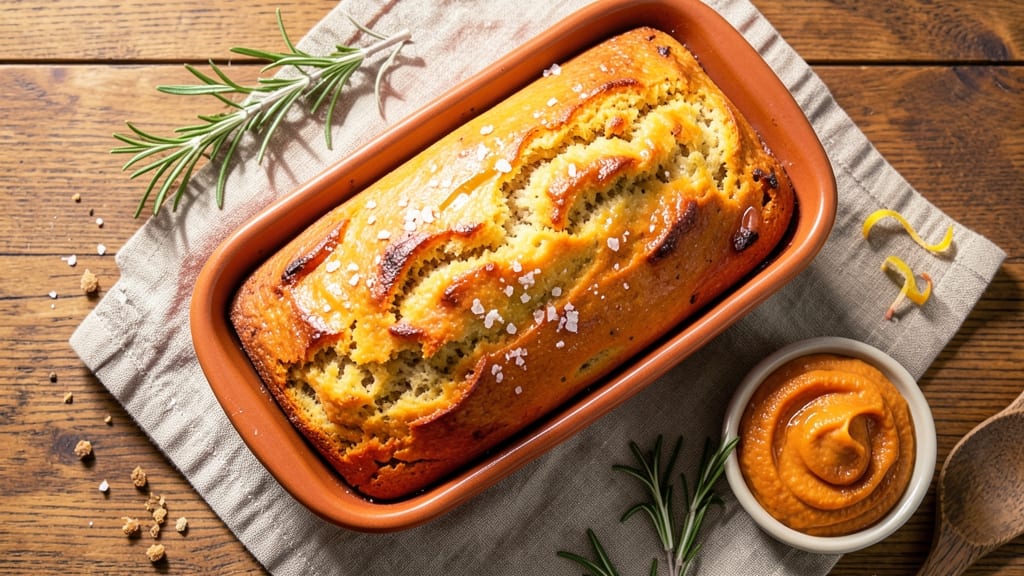
This sweet potato yeast bread recipe transforms humble ingredients into a fragrant, moist loaf with warm cinnamon notes and a tender crumb. The secret lies in properly cooked sweet potato puree—smooth, not stringy—and a balanced yeast dough that rises just enough for that perfect oven-spring.
I developed this recipe after years of baking dense, dry sweet potato bread, and the difference is night-and-day.
What sets this bread apart is the moist texture achieved through precise hydration and a touch of honey in the dough. The yeast activation is critical: too fast, and your bread will collapse; too slow, and it won’t rise properly.
We’ll guide you through each step—from mashing the sweet potato to shaping the dough—to ensure a loaf that’s both impressive and foolproof for home bakers.
The result is a bread with a golden-brown crust and a crumb so tender it practically melts in your mouth. The sweet potato adds natural sweetness, while cinnamon and nutmeg deepen the warm spice profile.
This isn’t just side bread—it’s a centerpiece that pairs beautifully with soups, stews, or even breakfast toast.
For added depth, consider folding in chopped pecans or a sprinkle of sea salt before baking. The variations are endless, but the foundation—a properly hydrated dough with activated yeast—is what guarantees success. Let’s get started on a loaf that’ll have everyone asking for seconds.
Ingredients for sweet potato bread recipe yeast
Eight essential ingredients transform into a fragrant loaf with moist crumb and warm spice essence.
| Ingredient | Amount | Notes |
|---|---|---|
| Orange Sweet Potatoes 🍠 | 2 lb | Firm, unpeeled, medium size |
| All-Purpose Flour 🌾 | 5 cups | Bread flour preferred for structure |
| Granulated Sugar 🍚 | ¼ cup | Light brown sugar for depth |
| Active Dry Yeast 🍞 | 2 ¼ tsp | Fresh yeast preferred if available |
| Warm Water 💧 | 1 ¼ cups | 110°F for optimal activation |
| Honey 🍯 | ¼ cup | Wildflower preferred for floral notes |
| Unsalted Butter 🧈 | ½ cup | Cold, cubed for easier mixing |
| Large Eggs 🥚 | 2 whole | Room temperature for even mixing |
| Ground Cinnamon 🌿 | 1 ½ tsp | Freshly ground for maximum aroma |
| Ground Nutmeg 🌿 | ½ tsp | Freshly grated for potency |
| Salt 🧂 | 1 ½ tsp | Diamond Crystal preferred |
| Milk 🥛 | ¼ cup | Warm for better yeast activation |
| Pecans 🌰 | ½ cup | Chopped, optional for texture |
The sweet potatoes are the foundation—choose vibrant orange ones with no soft spots. Most grocery stores carry them year-round, but specialty markets like Whole Foods often have heirloom varieties with deeper flavor. Peel and boil until fork-tender, then mash to a smooth puree (no lumps!). The yeast activation is critical: warm water at 110°F ensures proper fermentation without killing the yeast. For the flour, King Arthur bread flour yields a better crumb, but all-purpose works in a pinch. The honey isn't just for sweetness—it feeds the yeast during the first rise, creating that signature moist texture.
No bread flour? Add 1 tsp vital wheat gluten per cup of all-purpose flour for improved structure. Substituting honey? Maple syrup works at a 1:1 ratio, but it may darken the crust slightly. For nutmeg, pre-ground is fine, but freshly grated from a nutmeg grater unlocks more complex flavors. The butter should be cold when mixed in—softened slightly for easier incorporation without melting. Pecans can be omitted, but if using, toast them first for enhanced flavor. The eggs bind everything together, so room temperature is key—cold eggs can create dense pockets in the dough.
Store the dough in an airtight container at room temperature for up to 12 hours before baking, allowing for a slower rise. Once baked, the loaf keeps well at room temperature for 2 days or in the fridge for 5 days. For longer storage, wrap tightly in plastic and freeze for up to 3 months. Reheat slices in a 350°F oven for 5 minutes to restore freshness. The crust freezes beautifully, so consider slicing before freezing for quick toast in the morning.
Why You'll Love This Recipe
- No Peel, No Stress: I’ll admit, I used to dread peeling sweet potatoes—until I realized this recipe only needs the flesh from the skin. Just scoop out the cooked orange center with a spoon, and you’re done. That’s it. No knife skills required, no mess, just pure convenience.
- Sweet Potato Magic: That natural caramel sweetness from the orange flesh? It’s like a warm hug in every bite. The yeast makes it rise just enough to be light, while the sugar keeps it tender—no artificial flavors, just pure, cozy comfort. (Honestly, I’ve caught myself sneaking slices straight from the pan.)
- Breakfast or Snack Star: This bread is my secret weapon for lazy mornings—toast it with butter and jam, or pack slices for lunch. It even holds up well for sandwiches (looking at you, peanut butter and banana). And because it’s yeast-based, it’s not just a one-time wonder—it stashes beautifully in the freezer too.
- Pantry Staple Power: Between us, this recipe uses ingredients you already have. Flour, sugar, yeast—basic stuff that won’t break the bank. And since it keeps for days (or freezes perfectly), you’re not scrambling to buy fresh bread every week. That’s real savings, right there.
Step-by-step instructions for sweet potato yeast bread
This method delivers a tender, spiced loaf with a moist crumb and aromatic crust every time.
Prepare the Sweet Potato Puree
Preheat your oven to 400°F. Pierce the 2 lb orange sweet potatoes in several places with a fork, then microwave for 10-12 minutes until fork-tender. The skin should yield slightly when pressed, but the flesh should remain intact.
Transfer the potatoes to a baking sheet and roast for 20 minutes to enhance their natural sweetness. Let them cool slightly, then peel off the skin and transfer the flesh to a food processor. Add 0.25 cup honey and 0.25 cup warm milk and process until completely smooth, scraping down the sides as needed. The puree should be velvety with no lumps.
Activate the Yeast and Mix Wet Ingredients
In a small bowl, whisk together 1.25 cups warm water (about 110°F) with 2.25 tsp active dry yeast and let sit for 5-10 minutes until foamy. This indicates the yeast is active and ready to work. If it doesn't foam, your yeast may be expired.
In a large mixing bowl, combine the sweet potato puree with the yeast mixture, 2 whole large eggs, 0.5 cup unsalted butter (softened but not melted), 0.25 cup granulated sugar, 1.5 tsp ground cinnamon, 0.5 tsp ground nutmeg, and 1.5 tsp salt. Mix until fully incorporated, scraping down the sides of the bowl to ensure all ingredients are evenly distributed.
Incorporate Dry Ingredients and Develop Gluten
Gradually add the 5 cups all-purpose flour to the wet mixture, mixing on low speed with a dough hook attachment until combined. Increase the speed to medium and knead for 5-7 minutes until the dough becomes smooth and elastic, pulling away from the sides of the bowl.
For the pecan option, fold in 0.5 cup chopped pecans by hand using a silicone spatula. The dough should be slightly sticky but not wet. If it feels too dry, add 1 tablespoon warm water at a time until it reaches the proper consistency. Cover the bowl with a damp towel and let rise in a warm place for 1-1.5 hours, or until doubled in size.
Shape and Proof the Dough
Punch down the risen dough to release air, then turn it out onto a lightly floured surface. Divide the dough into two equal portions and shape each into a smooth, round loaf. Place each loaf seam-side down in two greased 9x5-inch loaf pans. Cover with a damp towel and let proof for another 30-45 minutes until the dough has risen about halfway up the sides of the pans.
The dough should spring back slowly when poked with a finger—this indicates it's ready for baking. Preheat your oven to 350°F while the dough proofs. This ensures the oven reaches the perfect temperature for even baking and a golden crust.
Bake to Golden Perfection
Bake the loaves for 45-50 minutes until the tops are deep golden brown and a toothpick inserted into the center comes out clean. The bread should have a hollow sound when tapped on the bottom. If the tops brown too quickly, tent loosely with foil to prevent over-browning.
Remove the bread from the pans immediately and transfer to a wire rack to cool for at least 30 minutes before slicing. This resting period allows the bread to set properly, preventing a gummy crumb. The finished loaf should have a moist, tender crumb with a lightly crisp crust and warm spice aroma that fills your kitchen.
Pro Tips For Making Sweet Potato Bread Recipe Yeast
- Boil Sweet Potatoes First: Peel and cube the sweet potatoes, then boil them for 10-12 minutes until fork-tender—not mushy. Overcooking turns them into glue, and you’ll end up with dense, gummy bread. Drain well and let them cool completely before mashing, or the yeast will wake up too soon and your dough will rise before you’re ready.
- Use a Thermometer for Yeast: Warm your water to exactly 110°F (43°C) before dissolving the yeast—any hotter and you’ll kill it. I learned this the hard way when my first batch failed because I eyeballed the temperature. A cheap thermometer is worth it; cold water just slows things down.
- Don’t Skip the Proof Check: After mixing the dough, let it rise until it’s almost doubled—then poke it with a finger. If it springs back slowly (not fast), it’s ready. Waiting until it’s fully doubled risks overproofing, which makes the bread flat and heavy. Trust the finger test over the clock.
- Add Sugar Gradually: Start with half the sugar called for in the dough, then add the rest after the first rise. Too much sugar upfront can inhibit yeast activity, slowing or even stopping fermentation. This tweak gives you a better rise without sacrificing sweetness.
Flavor customization for this recipe
Spice Level Boost
For a bolder spice profile, increase the cinnamon to 2 tsp and add ½ tsp freshly grated ginger or ¼ tsp cayenne pepper for warmth. I love a pinch of cardamom (about ¼ tsp) for a Middle Eastern twist—it pairs beautifully with the sweet potato’s natural sweetness.
Toast the spices in a dry pan for 30 seconds before mixing to deepen their aroma. 🌶️
Sweetness Adjustments
Reduce the granulated sugar to ¼ cup if you prefer a less sweet loaf, or swap it entirely for ½ cup mashed banana for natural sweetness and extra moisture. For a caramelized crust, brush the tops with 1 tbsp melted butter mixed with 1 tsp brown sugar before baking.
The honey in the dough ensures a tender crumb even without extra sugar.
Nutty Add-Ins
Swap pecans for walnuts or almonds (toasted and chopped) for a different texture. For a savory-sweet variation, fold in ½ cup dried cranberries or chopped dried apricots with the nuts.
Toast the dried fruit first to intensify their flavor—just 5 minutes in a 350°F oven with a pinch of cinnamon. 🌰
Herbal Infusions
Brighten the dough with 1 tbsp fresh rosemary or thyme finely chopped, or add 1 tsp vanilla extract for depth. For a citrusy kick, zest 1 orange and fold it into the wet ingredients.
I’ve also experimented with 1 tsp orange zest + 1 tsp lemon juice for a zesty contrast to the sweet potato’s earthiness. The herbs infuse beautifully during the rise.
Gluten-Free Adaptation
Replace the all-purpose flour with a 1:1 gluten-free bread flour blend (like King Arthur Measure for Measure) and add 1 tsp xanthan gum to improve structure. Reduce the honey to ¼ cup to prevent excessive stickiness, and let the dough rest for 10 minutes after mixing to hydrate fully.
The texture will be slightly denser but still moist and flavorful.
Nutrition facts
Frequently asked questions
Why does my sweet potato bread turn out dense instead of moist?
The most common cause is over-kneading the dough or under-proofing. Yeast breads need gentle handling—knead just until smooth (5-7 minutes), then let it rise until doubled. Also, ensure your sweet potato puree is completely smooth (no lumps) and that you're using warm water (110°F) for yeast activation. Overmixing develops too much gluten, which makes bread dense.
Can I substitute instant yeast for active dry yeast?
Yes! Use ¾ tsp instant yeast instead of 2.25 tsp active dry yeast—it activates faster. The key difference is timing: instant yeast doesn't need pre-dissolving in water. Just sprinkle it directly into the dry flour when mixing. For best results, let the dough rise in a warm place (80°F) to speed up fermentation.
How do I fix dough that didn't rise properly?
If your dough is flat after the first rise, check these first: expired yeast (test with warm water—it should foam in 5-10 minutes), cold environment (yeast works best at 75-80°F), or too much salt (which can inhibit yeast). For a quick fix, let the dough rest 10 minutes covered, then punch it down and give it another 30-45 minute rise. If it still doesn't rise, try adding ½ tsp more yeast and 1 tbsp sugar to feed the yeast.
Can I make this bread without a stand mixer?
Mix the dough by hand in a large bowl, then turn it onto a floured surface and knead for 8-10 minutes until smooth. The key is to develop gluten evenly—press the dough down and fold it over itself repeatedly. For sticky dough, wet your hands slightly to prevent sticking. The texture will be slightly less uniform, but still delicious.
What's the best way to store leftover sweet potato bread?
Wrap cooled slices tightly in plastic wrap or aluminum foil to retain moisture. At room temperature, it stays fresh for 2 days in an airtight container. For longer storage, freeze slices on a tray first (to prevent sticking), then transfer to a freezer bag for up to 3 months. To revive, toast frozen slices in a 350°F oven for 5 minutes or warm in a toaster. The crust stays crispy even after freezing!