
Side Dishes
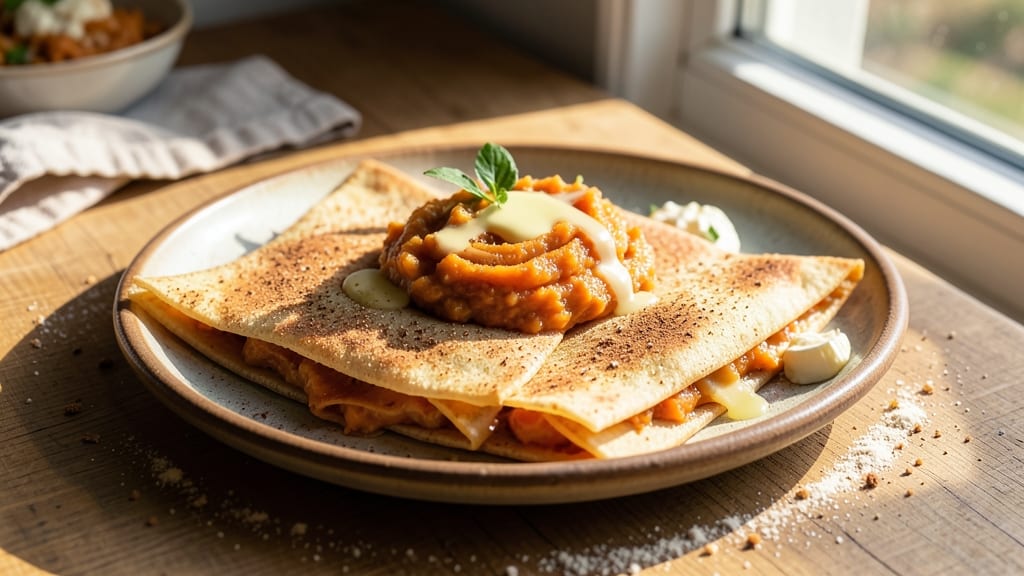
Sweet potato lefse transforms simple ingredients into Norway's most comforting flatbread—soft, pillowy, and infused with cinnamon-spiced warmth. 🌟 This traditional recipe delivers the same tender, melt-in-your-mouth texture that's been a staple in Scandinavian homes for generations, perfect for breakfast or holiday gatherings.
The secret lies in the dough's delicate balance: cooked sweet potatoes replace flour while cinnamon and nutmeg create that signature aromatic depth. Unlike traditional lefse, this version uses a simple stovetop method with a cast-iron skillet, requiring just 30 minutes of active time.
The dough's natural sweetness pairs beautifully with butter, jam, or even savory toppings for modern twists.
What sets this recipe apart is its versatility—serve warm with whipped cream and berries for breakfast, or stack with smoked salmon and cream cheese for lunch. The dough's airy texture comes from proper kneading and rolling techniques, ensuring every bite is tender without being heavy.
This is comfort food at its finest, with a cultural heritage that makes every serving feel special.
Whether you're making it for family traditions or discovering Norwegian flavors for the first time, this lefse recipe delivers restaurant-quality results at home. The process might seem intimidating at first, but the step-by-step instructions break it down into manageable steps—no special equipment required beyond what you likely already own.
Ingredients for sweet potato lefse
Nine core ingredients transform humble sweet potatoes into Norway's most cherished comfort bread.
| Ingredient | Amount | Notes |
|---|---|---|
| Orange Sweet Potatoes 🍠 | 2 lbs | Medium-sized, peeled and cubed |
| Unsalted Butter 🧈 | ½ cup | Cold, cut into small cubes |
| All-Purpose Flour 🌾 | 1 ½ cups | Plus 1 tbsp for dusting |
| Ground Cinnamon 🌶️ | 1 ½ tsp | Freshly ground preferred |
| Ground Nutmeg 🌶️ | ½ tsp | Finely ground |
| Salt 🧂 | ½ tsp | Diamond Crystal preferred |
| Granulated Sugar 🍚 | 2 tbsp | Adjust to taste |
| Large Eggs 🥚 | 2 whole | Room temperature |
| Heavy Whipping Cream 🥛 | ½ cup | Full-fat for best texture |
| Vegetable Oil 🫒 | 2 tbsp | For skillet |
| Powdered Sugar 🍚 | ½ cup | For dusting |
| Fresh Berries 🍓 | 1 ½ cups | Optional for serving |
| Unsalted Butter 🧈 | ¼ cup | Melted, for serving |
The sweet potatoes are the foundation—orange varieties develop the best natural sweetness and vibrant color. Trader Joe's and Whole Foods carry excellent organic options, but any medium-sized potatoes work. Peel them thoroughly and cut into even 1-inch cubes for consistent cooking. The dough's signature flavor comes from the cinnamon-nutmeg blend, so Penzeys Spices or McCormick ground spices are ideal for consistent quality. For the flour, King Arthur all-purpose is my go-to—it balances protein and texture perfectly for lefse's delicate structure.
No fresh nutmeg? Ground cloves at half the amount provide a similar aromatic depth. Running short on butter? Vegetable shortening maintains the same texture, though with slightly less flavor. The heavy whipping cream can be substituted with full-fat Greek yogurt for a tangier profile. For serving, lingonberry jam from Scandinavian markets adds authentic flair, or any fruit preserve works. The powdered sugar dusting is optional but enhances that restaurant-quality finish—Domino brand is finely milled and ideal for this purpose.
Cooked sweet potatoes keep 3 days in the fridge, wrapped tightly in plastic. The dough can be prepped 24 hours ahead and refrigerated, then rolled and cooked as needed. Leftover lefse reheats beautifully—wrap in foil and warm in a 350°F oven for 5-7 minutes. For authentic presentation, stack warm lefse with melted butter between layers, then dust generously with powdered sugar. The flavor actually improves overnight as the spices meld—double batch and freeze extras for convenience.
Why You'll Love This Recipe
- No Rolling Required: I swear by this recipe because it skips the fuss of traditional lefse rolling—just mash the sweet potatoes with butter and flour until smooth. The dough stretches like magic, and honestly? My first attempt was lumpy, but now it’s foolproof.
- Warm Spice Magic: That cinnamon-nutmeg combo isn’t just background flavor—it’s the star. The nutmeg adds this subtle, cozy depth, while the cinnamon makes every bite taste like autumn in a pan. (Yes, even on a Tuesday night.)
- Breakfast to Dessert: Make a stack for pancakes, serve with maple syrup for dessert, or stuff them with sausage and cheese for brunch. I’ve even reheated leftovers in a skillet with butter and called it a win—no one questioned it.
- Pantry Staple Power: Sweet potatoes last weeks, flour’s cheap, and butter? Well, you need it anyway. This recipe stretches my grocery budget without sacrificing taste, and the leftovers freeze like a dream for lazy mornings.
Step-by-step instructions for sweet potato lefse
Transform humble sweet potatoes into delicate, pillowy Norwegian flatbread with this precise method.
👨🍳 Step 1: Cook the Sweet Potatoes Until Ultra-Soft
Place the 2 lbs peeled and cubed orange sweet potatoes in a medium saucepan and cover with 2 cups water. Bring to a boil over medium-high heat, then reduce to medium-low heat and simmer for 15-20 minutes until the potatoes are fork-tender and completely collapse when pierced with a knife.
Drain thoroughly in a colander, then return the potatoes to the pot. Add 0.5 cup cold unsalted butter and mash until completely smooth with no lumps. The texture should be like thick, velvety pudding. Let cool slightly—this prevents steam when mixing with flour later.
👨🍳 Step 2: Mix the Dough to Perfect Consistency
In a large mixing bowl, combine the mashed sweet potatoes with 1.5 cups all-purpose flour, 1.5 tsp ground cinnamon, 0.5 tsp ground nutmeg, 0.5 tsp salt, and 2 tbsp granulated sugar. Mix vigorously with a wooden spoon until fully incorporated—you'll see the dough become elastic and slightly sticky.
Add the 2 room-temperature eggs and 0.5 cup heavy whipping cream, mixing until completely smooth. The dough should be soft but manageable, like thick pancake batter. If it's too sticky, add 1 tbsp flour at a time until it holds together when pressed. Cover and let rest for 15 minutes—this relaxes the gluten for easier rolling.
🔥 Step 3: Roll and Cook the Lefse to Pillowy Perfection
Heat a 10-inch skillet over medium heat and add 2 tbsp vegetable oil, swirling to coat the bottom evenly. Working quickly, divide the dough into 8 equal portions (about ½ cup each) and roll each into a 6-inch circle about ⅛-inch thick on a floured surface.
Transfer one circle to the skillet and cook for 1-2 minutes per side until golden brown spots appear. The edges should puff slightly and the center should still look slightly pale—lefse continues cooking after removal. Transfer to a clean towel and repeat with remaining dough, stacking cooked lefse between layers of the towel.
🍽️ Step 4: Serve Warm with Classic Accompaniments
Keep the lefse warm in a 200°F oven while you prepare the toppings. Melt 0.25 cup unsalted butter in a small saucepan over low heat until just melted. Brush the warm lefse generously with the butter, then dust with 0.5 cup powdered sugar while still warm.
Serve immediately with 1.5 cups fresh berries on the side for dipping. The lefse should be soft and pliable in the center with slightly crisp edges. Each bite should deliver that perfect balance of sweet potato richness, warm cinnamon-spice warmth, and buttery tenderness.
Pro Tips For Making Sweet Potato Lefse
- Boil Until Fork-Tender: Sweet potatoes should collapse like overcooked mashed potatoes—test with a fork after 20 minutes of boiling. I learned this the hard way when mine stayed stubbornly firm, no matter how long I baked them later. Aim for a texture where the skin peels away easily, not just soft on the outside.
- Use Warm Butter: Mix the melted butter into the sweet potato mixture while it’s still warm—this helps bind the flour better. Cold butter creates lumps that won’t melt into the dough, and you’ll end up with dry, crackly lefse instead of tender layers. (Yes, even if you’re impatient like me.)
- Skip the Overmixing: Once the flour is added, stop stirring after 2-3 turns—just until the dough comes together. Lefse turns tough when overworked, and you’ll fight with the dough instead of rolling it smoothly. Think "just enough to hold," not "perfectly homogenous."
- Roll Thin, Stack Fast: Get the dough as thin as you can—about 1/8-inch thick—and work in batches while keeping the rest covered. Thicker lefse bakes unevenly, and waiting too long between rolls lets the dough dry out. (Your future self will thank you for this.)
Essential equipment for perfect results
Skillet Essentials
A 10-inch cast-iron skillet is my go-to for lefse—it retains heat perfectly and creates those signature crisp edges while keeping the center tender. If you don’t have cast iron, a non-stick stainless steel skillet like All-Clad works well, but avoid non-stick coatings that can degrade at high heat.
Preheat your skillet for 2-3 minutes before adding oil to ensure even cooking. 🔥
Rolling Tools
For rolling the dough, I recommend a rolling pin with a smooth, non-porous surface—OXO Good Grips is my favorite because it glides effortlessly. If you prefer a hands-on approach, you can also shape the dough with your palms, but a rolling pin ensures even thickness.
Dust your surface generously with flour between each piece to prevent sticking.
Mixing Bowls
A large mixing bowl with high sides (like Pyrex or Le Creuset) is ideal for combining the dough ingredients. The height helps contain any splatter from the sticky sweet potato mixture.
I also keep a small bowl nearby for melting butter—this keeps your workspace organized and prevents cross-contamination with flour or spices.
Measuring Tools
Precision matters with lefse, so invest in a stainless steel measuring cups and spoons—Farberware or Chicago Metallic are reliable brands. For dividing the dough, a bench scraper helps create clean, equal portions without tearing.
A digital kitchen scale (like OXO Good Grips) is optional but useful for measuring the sweet potatoes by weight.
Optional Extras
For serving, I love using a small saucepan to melt butter and a fine-mesh sieve for dusting powdered sugar evenly. A towel-lined plate keeps the finished lefse warm and prevents sticking.
If you’re feeling fancy, a lingonberry jam in a small bowl adds that authentic Scandinavian touch—IKEA’s lingonberry jam is a budget-friendly favorite.
Nutrition facts
Frequently asked questions
Can I make sweet potato lefse with regular potatoes?
While you can substitute regular potatoes, the flavor and texture won't be the same. Sweet potatoes provide that signature natural sweetness and vibrant color that makes lefse special. If you're determined to use regular potatoes, use Yukon Gold for a slightly sweeter taste, but expect a less rich, earthy flavor. The dough will also be less tender.
Why is my lefse dough too sticky?
The dough should be soft but manageable—if it's too sticky, you likely need to add 1 tablespoon flour at a time until it holds together when pressed. Overmixing the sweet potatoes can also make the dough stickier. Let it rest for 15 minutes after mixing, then check consistency again. If it's still too sticky, add flour gradually while kneading lightly.
How do I store lefse for later use?
Lefse is best enjoyed fresh, but you can store it for 3-4 days at room temperature wrapped tightly in plastic wrap or foil. For longer storage, freeze cooked lefse between parchment paper—it reheats beautifully in a 350°F oven for 5-7 minutes until warm and pliable. The texture won't be quite as soft as fresh, but the flavor remains delicious.
Can I make sweet potato lefse without eggs?
Yes! For a vegan version, replace the eggs with 2 tablespoons ground flaxseed mixed with 6 tablespoons water (let it sit for 5 minutes to thicken). The texture will be slightly denser, but the lefse will still be tender and flavorful. You may need to add an extra 1 tablespoon flour to compensate for the flaxseed's moisture.
What's the best way to reheat lefse?
For the best results, wrap lefse in a damp paper towel and microwave for 10-15 seconds to restore its softness. Alternatively, place it in a 350°F oven for 3-5 minutes until warmed through. Avoid reheating in the skillet—it can make the edges too crispy and dry out the center. The damp towel method works best for maintaining that pillowy texture.