
Side Dishes
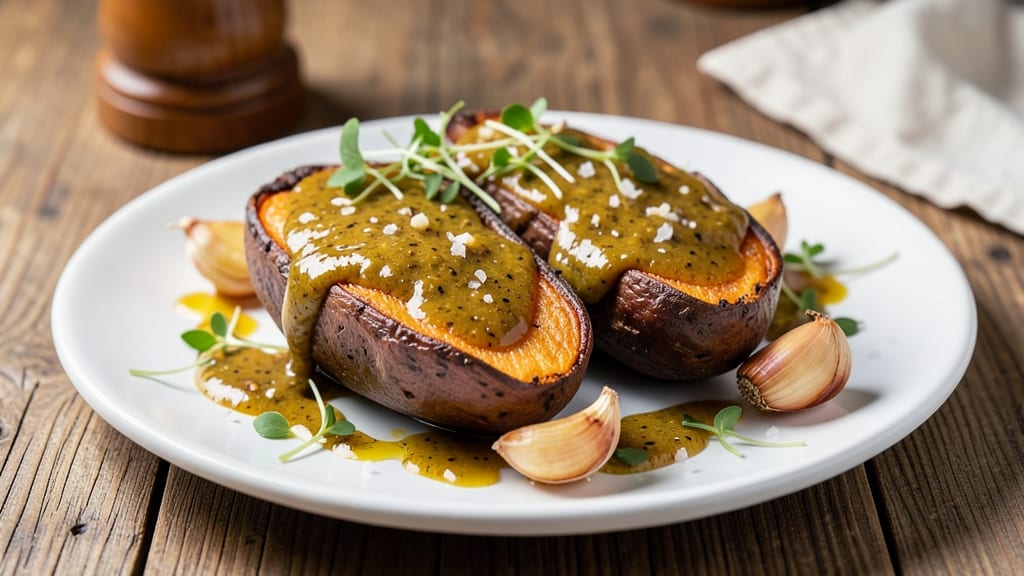
This sweet potato mustard recipe transforms humble roots into a tangy-sweet glaze that elevates roasted sweet potatoes, mashed potatoes, or even sandwiches. The perfect balance of earthy sweetness and sharp mustard creates a versatile sauce that's as impressive as it is easy to make.
I developed this after realizing how much better store-bought mustard could be with a touch of roasted sweet potato magic.
The process starts with roasting sweet potatoes until tender and caramelized, then blending them with Dijon mustard, honey, and a splash of apple cider vinegar. This combination creates a sauce that's rich, slightly spicy, and perfectly balanced—never too sweet or too sharp.
The roasting deepens the sweet potato's natural sugars, while the mustard adds complexity that makes this glaze unforgettable.
What you'll end up with is a smooth, spreadable sauce that works as a dip, marinade, or sandwich spread. It pairs beautifully with roasted meats, grilled vegetables, or even as a topping for burgers.
The best part? It keeps well in the fridge for up to a week, so you can make a big batch and enjoy it all week long.
This recipe is perfect for anyone looking to add depth to their meals without spending hours in the kitchen. Whether you're prepping for a holiday feast or just want to elevate a simple weeknight dinner, this sweet potato mustard glaze delivers restaurant-quality flavor with minimal effort. Let's get started!
Ingredients for sweet potato mustard
Roasted sweet potatoes meet bold mustard for this restaurant-worthy glaze that’s easier than store-bought.
| Ingredient | Amount | Notes |
|---|---|---|
| Sweet Potatoes 🍠 | 2 medium | Peeled, cubed evenly |
| Dijon Mustard 🍯 | ¼ cup | High-quality for best flavor |
| Honey 🍯 | ¼ cup | Wildflower preferred |
| Apple Cider Vinegar 🍏 | 2 tbsp | Unfiltered for tang |
| Olive Oil 🫒 | ¼ cup | Extra-virgin for richness |
| Garlic Cloves 🧄 | 2 cloves | Minced for depth |
| Salt 🧂 | 1 tsp | Kosher or sea salt |
| Black Pepper 🌶️ | ½ tsp | Freshly ground preferred |
| Smoked Paprika 🌶️ | ½ tsp | For subtle smokiness |
| Maple Syrup 🍁 | 1 tbsp | Optional for extra sweetness |
Sweet potatoes are the star here—organic or heirloom varieties have deeper flavor, but any firm, dry-skinned ones work. Roast them until caramelized (about 400°F for 30 minutes), then let cool before blending. Trader Joe’s carries great organic sweet potatoes, but regular grocery store brands are fine too. The key is even cubing so they cook uniformly. For extra richness, some people add a pinch of cinnamon to the roasting pan, but I skip it—this glaze is already complex enough. The mustard? Dijon is non-negotiable—it’s got that perfect balance of sharpness and smoothness that regular yellow mustard can’t match. Grab a small jar from Whole Foods or your local specialty market if you want to splurge on a high-quality brand.
No Dijon mustard? Whole-grain mustard at half the amount works in a pinch, but you’ll lose some depth. Swap honey for maple syrup if you prefer, though it’ll be slightly less floral. Running low on apple cider vinegar? Balsamic vinegar gives a similar tang, but reduce to 1.5 tbsp—it’s stronger. The smoked paprika is optional but adds that subtle smokiness that makes this glaze feel gourmet. Pre-made mustard blends (like those in squeeze bottles) won’t work—they’re too watery and lack the texture. If you’re feeling fancy, toast the garlic in the olive oil before blending—it adds a nutty depth that changes the game. The maple syrup is the only truly optional ingredient, but I always include it for that extra caramel note.
This glaze thickens as it cools, so thin with a splash of water if needed. Store in an airtight jar in the fridge for up to 1 week—it actually tastes better the next day as flavors meld. For longer storage, freeze in ice cube trays and transfer to a bag. The roasted sweet potatoes keep in the pantry for 2 weeks, but once roasted, use them within 3 days for best texture. Double the batch—you’ll want this on everything from roasted Brussels sprouts to grilled chicken. Trust me, once you taste the difference between this and jarred mustard, you’ll never go back.
Why You'll Love This Recipe
- Five-Ingredient Magic: I swear, this is the kind of recipe where you’ll stare at your pantry thinking, "I have all of this?"—and then realize you do. Sweet potatoes roast while you mix mustard, honey, and vinegar in a bowl. No peeling, no fancy techniques, just slice, toss, roast. Honestly, it’s the kind of dish that makes me feel like a home cook genius.
- Sweet Heat Balance: That tangy Dijon, the sticky honey, and the sharp vinegar? It’s a flavor party in your mouth. The sweet potatoes caramelize just enough to soak up the glaze, but the mustard keeps it from being cloying. I’ll be real: my picky-eating partner actually licked the plate.
- Game for Any Meal: Breakfast? Roasted sweet potatoes with a fried egg on top. Lunch? Stuffed in a wrap with avocado. Dinner? Over grilled chicken or as a side for steak. Even my college-aged son—who lives on takeout—asks for this when he’s home. It’s that reliable.
- Leftovers That Won’t Haunt You: The glaze thickens as it cools, so leftovers taste even better the next day. I’ve reheated these in the oven, microwaved them, even packed them cold for work lunches. Between us, they’re the reason I stopped ordering delivery midweek. Budget-friendly? More like budget-savvy.
Step-by-step instructions for sweet potato mustard glaze
Here's how to make this perfect balance of sweet, tangy, and smoky flavors that'll transform your roasted sweet potatoes.
Roast the Sweet Potatoes to Perfection
Preheat your oven to 400°F and line a baking sheet with parchment paper. Toss the 2 medium peeled and cubed sweet potatoes with 1 tablespoon of the olive oil and ½ teaspoon of the smoked paprika. Spread them in a single layer, leaving space between each cube for even cooking.
Roast for 25-30 minutes, stirring halfway through, until the edges are golden brown and the cubes are tender when pierced with a fork. The sweet potatoes should be soft inside but still hold their shape. If they're browning too quickly, tent the pan with foil to prevent burning while they finish cooking. This roasting step develops their natural sweetness, which pairs beautifully with the mustard glaze.
Create the Mustard Base
While the sweet potatoes roast, combine the ¼ cup Dijon mustard, ¼ cup honey, and 2 tablespoons apple cider vinegar in a small saucepan over medium-low heat. Whisk continuously for 3-4 minutes until the mixture thickens slightly and becomes smooth. You're looking for a consistency that coats the back of a spoon without being gluey.
This is where the magic happens—the mustard's tang cuts through the sweetness, while the vinegar adds brightness. If the mixture separates at any point, just keep whisking vigorously until it comes back together. I like to taste it at this stage to ensure the balance is right—it should be pleasantly sharp with just a hint of sweetness. If it's too strong, you can add a touch more honey later.
Build the Glaze with Richness and Depth
Remove the saucepan from heat and stir in the remaining 2 tablespoons olive oil, minced 2 garlic cloves, 1 teaspoon salt, and ½ teaspoon black pepper. Let the mixture cool slightly for 5 minutes—this allows the flavors to meld without cooking the garlic, which can turn bitter when heated too long.
Once cooled, stir in the 1 tablespoon maple syrup (if using) and taste again. The glaze should now have layers of flavor: the mustard's tang, honey's sweetness, vinegar's acidity, and the garlic's aromatic punch. The olive oil adds richness that helps the glaze cling beautifully to the sweet potatoes. If you prefer a smoother texture, strain the mixture through a fine-mesh sieve to remove any garlic bits, though I love the little textural surprises they add.
Combine and Finish the Glaze
Return the saucepan to low heat and add the roasted sweet potatoes, tossing gently to coat them evenly with the glaze. Simmer for 5-7 minutes, stirring occasionally, until the sweet potatoes absorb the glaze and develop a glossy sheen. The glaze should coat the potatoes completely, with just a hint of sauce clinging to the bottom of the pan.
For the final touch, transfer everything to a serving dish and let it rest for 2-3 minutes before serving. This resting time allows the flavors to fully integrate, and the potatoes to soak up any remaining glaze. The result should be sweet potatoes with a perfect balance of sweet, tangy, and slightly smoky flavors—each bite should be tender, flavorful, and irresistibly sticky.
Pro Tips For Making Sweet Potato Mustard
- Roast Sweet Potatoes First: I used to mash raw sweet potatoes straight into the mustard—big mistake. Roast them at 400°F (200°C) for 20-25 minutes until fork-tender, then scoop out the flesh while still warm. The texture becomes silky, not gummy, and the flavor concentrates like magic.
- Balance Mustard and Honey: Dijon mustard is sharp, honey is sweet—skip the guesswork. Start with a 1:1 ratio (1 tbsp mustard to 1 tbsp honey), then adjust by the spoonful. Taste after whisking; if it’s too tangy, add honey; if cloying, a splash of apple cider vinegar cuts through it fast.
- Don’t Overmix the Sauce: Whisk just until smooth—no need to turn it into glue. Lumps in the mustard actually add texture, and overworking it can make the sauce separate later. A quick 10-second stir with a fork is often enough.
- Save Time with Canned Sweet Potatoes: Fresh is ideal, but in a pinch, use canned sweet potatoes (drained and rinsed). They’re pre-cooked and mash easily, though the flavor won’t be as deep. Just add a pinch of salt and a splash of vinegar to compensate for the blandness.
Make-ahead tips for sweet potato mustard
Roasted Sweet Potato Prep
Roast your sweet potatoes one day ahead if possible—they develop deeper flavor overnight. Cube them evenly (about ½-inch pieces) and roast at 400°F for 30 minutes, then store in an airtight container in the fridge.
The flavors intensify as they sit, making your glaze even more complex. I like to roast a big batch (about 4-6 potatoes) so I always have them ready for quick glaze prep. 🍠
Mustard Base Storage
Make the mustard base (Dijon, honey, vinegar) up to 3 days ahead and store it in a small jar in the fridge. This lets the flavors meld beautifully and saves you time when assembling the full glaze.
When ready to use, simply reheat the base gently in a saucepan before adding the roasted sweet potatoes. The texture stays smooth, and the tanginess becomes even more pronounced. 💛
Glaze Assembly Shortcut
For a 5-minute assembly, keep all ingredients pre-measured in separate small containers. Roast your sweet potatoes fresh, then quickly combine everything in a blender or food processor. Pulse until smooth, then transfer to a saucepan to simmer.
This method works perfectly for last-minute gatherings or when you're short on time. The key is using room-temperature ingredients for even blending. ✨
Freezer-Friendly Portions
Divide the finished glaze into ice cube trays and freeze. Once solid, transfer cubes to a freezer bag for easy portioning. Thaw overnight in the fridge before using—this works especially well for glaze drizzles or sandwich spreads.
The texture remains creamy after freezing, though it may separate slightly. Just stir vigorously before using to restore smoothness. 🧊
Long-Term Glaze Preservation
For storage beyond a week, transfer the glaze to a sterilized glass jar and freeze. The mustard's natural preservative properties help maintain freshness for up to 3 months. When ready to use, thaw in the fridge overnight and stir well.
If the texture thickens too much, add 1-2 teaspoons of water to restore consistency. This method keeps the glaze's vibrant color and rich flavor intact. 💡
Double-Batch Strategy
Make double the recipe and store half in the fridge for immediate use while freezing the other half. This ensures you always have fresh glaze on hand for last-minute meals.
The frozen portion thaws beautifully for sandwiches or as a dip—just let it sit at room temperature for 10 minutes before serving. The extra effort saves time during busy weeks when you need flavor fast. 🔥
Nutrition facts
Frequently asked questions
Can I use regular yellow mustard instead of Dijon?
You can substitute, but Dijon's finer texture and balanced tang create a smoother, more flavorful glaze. For best results, use ½ cup of whole-grain mustard (it's thicker) and reduce the honey to 2 tablespoons. The glaze will still work but may have a slightly grainier texture.
How do I adjust the sweetness level?
Start with the original amounts, then taste after combining all ingredients. For more sweetness, add 1 extra tablespoon of honey or maple syrup. Need less? Reduce honey to 2 tablespoons and add 1 extra tablespoon of vinegar to maintain balance. The key is adjusting in small increments to avoid overpowering the mustard's tang.
What are the best ways to use this glaze?
This versatile glaze works as a dip for roasted veggies, a tangy spread for sandwiches, or a marinade for grilled chicken. Drizzle over mashed sweet potatoes, use as a burger sauce, or toss with roasted Brussels sprouts. For extra richness, mix with 1 tablespoon of sour cream before serving.
Why did my glaze separate?
Separation usually happens when oil and water-based ingredients aren't properly emulsified. Stir vigorously or blend briefly to recombine. For prevention, whisk the mustard, honey, and vinegar mixture over low heat until it thickens slightly before adding other ingredients. If it separates again, add 1 teaspoon of olive oil and whisk again.
Can I make this vegan?
Replace the honey with ¼ cup maple syrup and use vegan Dijon mustard (like Annie's or Maille). For extra richness, add 1 tablespoon of tahini to the base. The flavor remains perfectly balanced, just sweeter and slightly nuttier.