
Side Dishes
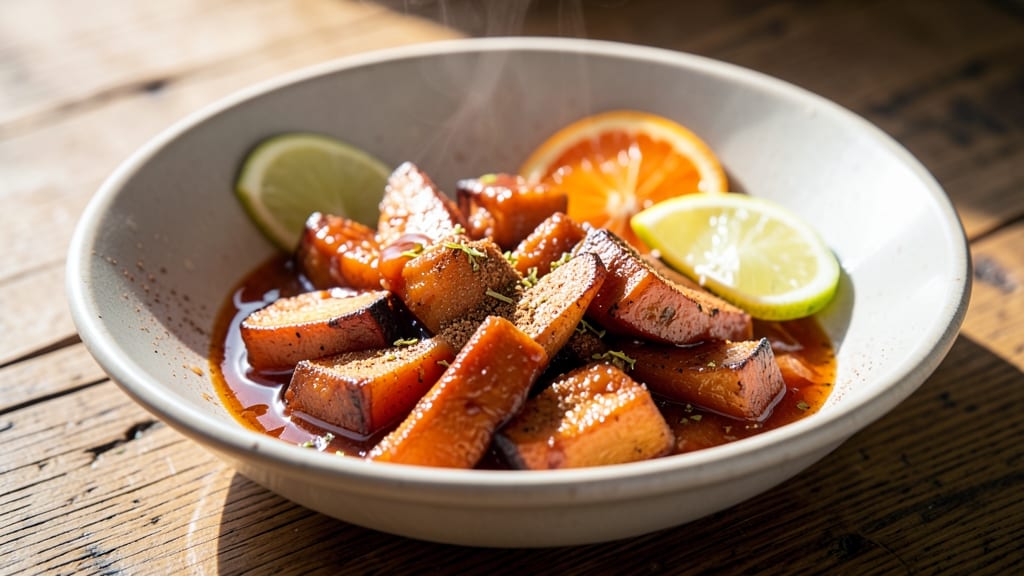
This sweet potato orange marmalade recipe transforms humble ingredients into a vibrant, spiced condiment that bridges sweet and tart flavors with surprising depth. The secret lies in balancing natural pectin from sweet potatoes with citrus acidity, creating a glossy, spreadable jam that's perfect for toast, yogurt, or even desserts.
I developed this vegan-friendly version after craving something bright yet hearty—no refined sugar or animal products needed.
The process is straightforward but requires patience: simmering sweet potatoes until tender, blending them into a smooth purée, then combining with orange juice and zest to build flavor. A touch of cinnamon or ginger enhances warmth, while lemon juice ensures proper gelling.
Sterilizing jars and processing the marmalade in a water bath guarantees shelf stability for months.
What you'll end up with is a marmalade that's richly textured, with swirls of orange zest and sweet potato's natural sweetness. The aroma alone—warm spices mingling with citrus—makes it irresistible. It's versatile enough for breakfast toast or elegant enough for holiday desserts, all while being completely plant-based.
Ready to make it? This recipe delivers restaurant-quality results with simple pantry staples and a method that's foolproof once you master the gelling technique. Let's get started!
Ingredients for sweet potato orange marmalade
Ten ingredients blend citrus brightness with earthy sweetness for a marmalade that's vibrant, spiced, and completely plant-based.
| Ingredient | Amount | Notes |
|---|---|---|
| Sweet Potatoes 🍠 | 2 cups | Peeled, cubed, organic preferred |
| Orange Juice 🍊 | 1 ½ cups | Freshly squeezed, no pulp |
| Orange Zest 🍊 | ½ cup | From 2 large organic oranges |
| Lemon Juice 🍋 | ¼ cup | Freshly squeezed, for acidity |
| Maple Syrup 🍯 | ½ cup | Grade B for depth of flavor |
| Ground Cinnamon 🌿 | 1 tsp | Freshly ground for warmth |
| Ground Ginger 🌿 | ½ tsp | Freshly ground for zing |
| Sea Salt 🧂 | ½ tsp | Diamond Crystal preferred |
| Pectin Powder 🍇 | 1 tbsp | Low-sugar, vegan-friendly |
| Filtered Water 💧 | ¼ cup | For proper consistency |
The sweet potatoes are the foundation—organic varieties like Jewel or Garnet work best for their natural sweetness and pectin content. Trader Joe's and Whole Foods carry pre-peeled organic sweet potatoes in the produce section, saving time. For zest, choose thick-skinned organic oranges (like Valencia) to maximize yield. The maple syrup should be Grade B—its deeper molasses notes enhance the marmalade's complexity. If you can't find pectin powder, low-methoxyl pectin works equally well for gelling without refined sugar.
No maple syrup? Date syrup or agave nectar in equal amounts keeps it vegan. Substitute ginger with equal parts ground cardamom for a different warmth profile. Fresh lemon juice is critical for acidity—bottled juice lacks the brightness. For a smoother texture, blend the cooked sweet potatoes until completely smooth before combining with citrus. If your marmalade sets too firmly, add a splash of orange juice and simmer 5 more minutes—this adjusts the gelling ratio naturally.
Store marmalade in sterilized glass jars in the fridge for 2 weeks or process in a water bath for 6-12 months shelf stability. The aroma intensifies after 24 hours, so make it a day ahead. For serving, spoon directly from the jar onto toast or yogurt—no reheating needed. Freeze portions in ice cube trays for single-serving convenience, then transfer to a bag.
Why You'll Love This Recipe
- Sweet Potato Magic: I swear by this recipe when I’ve got a lone sweet potato sitting in my fridge and zero plans. Just roast, mash, and blend—no peeling, no fuss. That orange zest? It’s the secret that turns something simple into something special.
- One-Pot Wonder: Honestly, I’ll take any excuse to use fewer dishes, and this marmalade nails it. Simmer the sweet potatoes with orange juice and maple syrup until it’s thick and glossy—no straining, no extra steps. The lemon juice ties it all together while you’re still scraping the last bits from the pot.
- Breakfast to Dessert: Here’s what sold me—this stuff works everywhere. Slather it on toast for a sweet, spiced breakfast, drizzle it over yogurt for a tropical twist, or even spoon it into muffins for a sneaky moisture boost. My kids ask for it at 7 AM and again at bedtime.
- Pantry Goldmine: Between us, this recipe is my budget-friendly secret weapon. Sweet potatoes are cheap, maple syrup stretches further than honey, and you’re using the whole orange—not just the juice. Plus, it keeps for weeks in the fridge, so I’m always covered when I forget to buy jam.
Step-by-step instructions for sweet potato orange marmalade
Transform vibrant sweet potatoes and citrus into a rich, spiced marmalade with this precise technique.
Prepare the Sweet Potato Base
In a medium saucepan, combine the 2 cups cubed sweet potatoes with the 0.5 cup maple syrup and 0.25 cup filtered water. Bring to a gentle boil over medium-high heat, then immediately reduce to medium-low heat. Cover and simmer for 15 minutes until the sweet potatoes are fork-tender and begin breaking down.
Use a potato masher to partially mash the sweet potatoes while still in the pan, creating a slightly chunky texture. This preserves some structure in the final marmalade while ensuring smooth integration with the citrus. The mixture should resemble a thick, rust-colored purée with small visible pieces. If it thickens too much during cooking, add 1 tablespoon water at a time to maintain workable consistency.
Incorporate Citrus and Spices
Remove the pan from heat and stir in the 1.5 cups orange juice, 0.5 cup orange zest, 0.25 cup lemon juice, 1 tsp ground cinnamon, 0.5 tsp ground ginger, and 0.5 tsp sea salt. The bright citrus flavors will immediately brighten the sweet potato base, while the spices add warm depth. Return the mixture to medium heat and cook uncovered for 8-10 minutes, stirring frequently, until the liquid reduces by about one-third and the mixture thickens noticeably.
Watch for small bubbles forming around the edges of the pan - this indicates proper reduction. The marmalade should coat the back of a spoon but still move freely. If it thickens too quickly, reduce heat to low and continue stirring. The orange zest will infuse its oils into the mixture, creating that signature citrus swirl pattern we're aiming for.
Add Pectin and Achieve Proper Set
Sprinkle the 1 tbsp pectin powder evenly over the marmalade while stirring constantly with a wooden spoon. Return to medium heat and bring to a full rolling boil that cannot be stirred down. This boiling phase is critical - maintain the boil for exactly 2 minutes, stirring continuously to prevent scorching. The pectin needs this intense heat to activate fully and create the proper gel structure.
Immediately after the 2 minutes, remove from heat. The marmalade should now have a glossy sheen and begin setting slightly as it cools. For the best texture, transfer to a clean, dry 8x8-inch baking dish or similar shallow container. Cover loosely with plastic wrap pressed directly onto the surface to prevent skin formation. Let cool completely at room temperature for 2 hours before refrigerating.
Test and Store Properly
After cooling, test the set by inserting a clean knife into the center. When lifted, the marmalade should hold its shape but still be slightly wobbly - this indicates proper gel formation. If it's too soft, return to low heat and cook for an additional 1-2 minutes, stirring constantly, then retest. For a firmer set, chill for an additional 30 minutes before testing again.
Store in an airtight container in the refrigerator for up to 2 weeks, or process in a water bath for shelf-stable preservation. The marmalade will develop deeper flavors as it ages. Serve chilled on toast, mixed into yogurt, or spread on fresh fruit for a vibrant, spiced citrus-sweet potato combination that balances perfectly between sweet and tangy with warm baking spices.
Pro Tips For Making Sweet Potato Orange Marmalade
- Peel After Cooking: Sweet potatoes are stubborn—trying to peel them raw is a nightmare. Roast them first at 400°F (200°C) until tender (about 25 minutes), then slip the skin off under cold water. The flesh will be smoother, and you’ll waste less—no more fighting with a peeler and ending up with puréed fingers.
- Simmer Low and Slow: After blending the puréed sweet potatoes with orange juice and zest, resist the urge to crank the heat. A gentle simmer (barely bubbling) for 45–60 minutes thickens the marmalade evenly without burning. I learned this the hard way—once, I rushed it and ended up with a sad, grainy mess.
- Strain the Zest: Orange zest loves to hide bitter pith and strings. After zesty, rub the zest through a fine-mesh sieve or cheesecloth to remove any grit. Trust me, you don’t want a mouthful of texture when you’re going for that silky-smooth finish.
- Reduce Juice First: Save time by reducing the orange juice (and lemon juice) in a saucepan before mixing with the sweet potatoes. Simmer it down by half—it’ll concentrate the flavor and cut the cooking time later. Plus, your kitchen won’t smell like a citrus factory for hours. (Yes, even if you’re impatient like me.)
Common mistakes when making great sweet potato orange marmalade
Overcooking Citrus
Citrus flavors are delicate—cooking them too long destroys their bright acidity. Once you add the orange juice, zest, and lemon juice, keep heat at medium and reduce only until the mixture thickens slightly (8-10 minutes).
Overcooking turns vibrant orange into dull, bitter notes. I’ve ruined batches by letting it simmer too long—trust your nose: when it smells like fresh oranges, it’s ready. 🍊
Skipping Pectin Activation
The 2-minute rolling boil after adding pectin is non-negotiable. Without this step, your marmalade will stay runny or never set properly. Stir constantly to prevent scorching—pectin needs that intense heat to activate.
I once forgot to boil it long enough and ended up with a gloppy, unappetizing mess. Use a candy thermometer if you’re nervous; it should hit 220°F during that boil. 🌡️
Ignoring the Cooling Phase
Rushing to refrigerate too soon traps moisture and prevents proper gelling. Let the marmalade cool at room temperature for 2 full hours before storing. During this time, the pectin fully sets and flavors meld.
I’ve seen home cooks impatiently pop jars in the fridge, only to find it too soft or watery. Patience here makes all the difference—trust the process! ⏳
Using Bottled Juice
Freshly squeezed orange and lemon juice provide the acidity needed for gelling and brightness. Bottled juice lacks the natural enzymes and acidity that help the pectin work properly. I’ve tried shortcuts with store-bought juice, and the results were always duller and less stable.
If you must use bottled, add an extra 1 tbsp lemon juice to compensate. 🍋
Underestimating Sweet Potato Texture
Partially mashing the sweet potatoes creates the perfect texture—too smooth makes the marmalade heavy, while chunks remain unincorporated. Use a potato masher for a rustic, slightly textured finish. I’ve seen recipes call for fully blending, which turns the marmalade into a paste.
Aim for a mix of purée and small pieces for that signature swirled appearance. 🍠
Improper Storage Containers
Only use sterilized glass jars for long-term storage—plastic or non-sterile containers encourage mold. For fridge storage (2 weeks), any airtight container works, but for canning (6-12 months), use USDA-approved mason jars. I’ve had marmalade spoil in non-sterile jars despite proper processing—always prioritize cleanliness. ❄️
Nutrition facts
Frequently asked questions
Can I make this marmalade without pectin?
Yes, but the texture will be less reliable. Use 1 extra cup of orange juice and simmer the mixture for 45-60 minutes instead of 2 minutes after adding pectin. The natural pectin in sweet potatoes and citrus will eventually set, but results vary. For best consistency, stick with the pectin method—it guarantees that perfect spreadable texture.
How do I know when the marmalade is done?
The gel test is foolproof: insert a clean knife into the cooled marmalade. When you lift it, the edges should hold their shape but still wobble slightly. If it slides off like jelly, cook it 1-2 more minutes and retest. The mixture should coat the back of a spoon but still move freely when hot—this indicates perfect doneness.
Can I add other fruits or spices?
Try ½ cup diced apple for extra depth or 1 tsp cardamom for an exotic twist. For fruits, add them with the sweet potatoes and cook until soft. Spices like nutmeg or cloves work well too—just reduce the cinnamon to ½ tsp to balance flavors. Just don't exceed 1 cup total fruit to maintain proper gelling.
Why does my marmalade separate?
Separation usually means the pectin didn't activate properly or the mixture cooled too quickly. First, ensure you achieved a full 2-minute rolling boil after adding pectin. If it still separates, blend the marmalade briefly before storing—this redistributes the ingredients. For future batches, stir constantly while cooling to prevent layering.
How long does homemade marmalade last?
Unopened, store-bought marmalade typically lasts 1 year unrefrigerated, but homemade versions are best refrigerated for 2 weeks unless properly canned. For shelf stability, process jars in a water bath for 10 minutes (follow USDA guidelines). Once opened, refrigerate and consume within 1 week—the flavors actually improve with age!