
Side Dishes
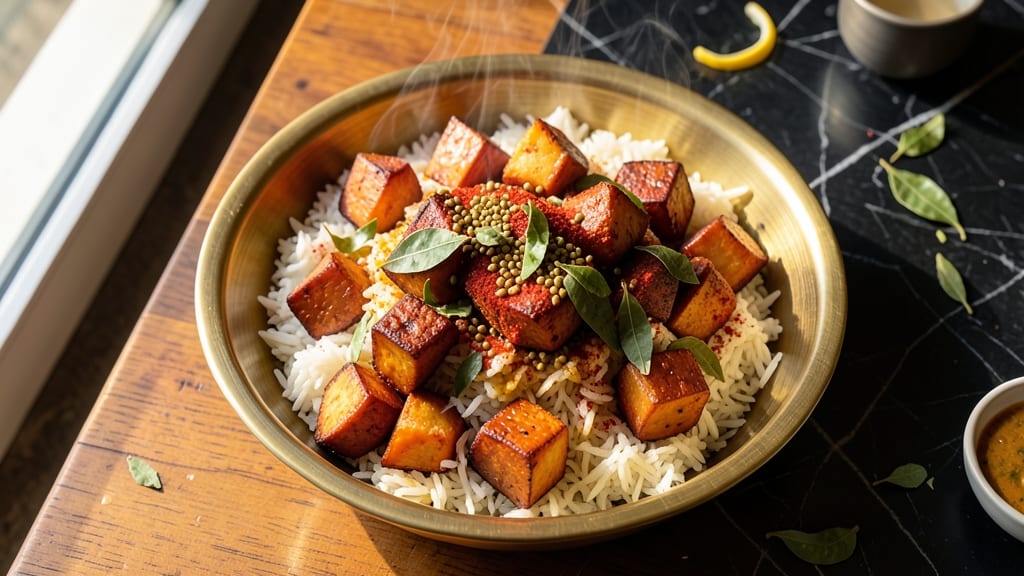
This sweet potato palya recipe transforms humble ingredients into a fragrant, one-pan South Indian masterpiece where crispy sweet potatoes meet tangy tamarind and aromatic spices.
The dish delivers a perfect balance of textures—crunchy edges, tender potatoes, and fluffy rice—all infused with the warm, earthy flavors of mustard seeds, curry leaves, and turmeric.
I developed this version after years of testing traditional methods, ensuring every bite captures the essence of a bustling Indian kitchen without sacrificing simplicity.
The magic happens in a single pot where sweet potatoes roast until caramelized while rice simmers in a spiced broth. A touch of tamarind adds that signature tangy twist that makes palya unforgettable, while peanuts and coconut garnish elevate the dish to restaurant-quality.
What sets this recipe apart is the foolproof technique of layering flavors—starting with whole spices that bloom in hot oil, then building depth with turmeric, chili, and asafoetida before introducing the star ingredients. The result? A dish that's as satisfying as it is visually striking.
By the time you're done, you'll have a vibrant, aromatic side dish that pairs perfectly with curries, dal, or even as a standalone meal.
The sweet potatoes develop a crispy exterior while staying tender inside, and the rice absorbs all the spiced flavors for a bite that's both comforting and complex.
This recipe serves 4 and comes together in 45 minutes—ideal for weeknight dinners or special occasions when you want to impress with minimal effort.
For an extra protein boost, stir in cooked toor dal during the final simmer, or add crispy roasted peanuts for texture. The dish keeps well in the fridge for 2 days, making it perfect for meal prep.
Whether you're serving it at a family gathering or simply craving a taste of home, this sweet potato palya delivers the warmth and depth of South Indian cuisine in every bite.
Ingredients for sweet potato palya
Fifteen ingredients that bring South Indian flavors to your one-pan masterpiece.
| Ingredient | Amount | Notes |
|---|---|---|
| Sweet Potatoes 🍠 | 2 lb | Medium size, cut into 1-inch cubes |
| Long-Grain White Rice 🍚 | 1 cup | Uncooked, rinsed well |
| Mustard Seeds 🌿 | 1 tbsp | Whole, light brown preferred |
| Dried Curry Leaves 🌿 | 1 tbsp | Or 10 fresh curry leaves |
| Turmeric Powder 🌶️ | ½ tsp | Freshly ground preferred |
| Red Chili Powder 🌶️ | 1 tsp | Adjust for heat preference |
| Asafoetida Powder 🌿 | ¼ tsp | Optional but authentic |
| Tamarind Paste 🍈 | 1 tbsp | Unsweetened, dissolved in 2 tbsp water |
| Coconut Oil 🥥 | 3 tbsp | For authentic flavor |
| Salt 🧂 | 1 tsp | Adjust to taste |
| Peanuts 🥜 | ¼ cup | Roasted, for garnish |
| Shredded Coconut 🥥 | ¼ cup | Fresh or dried |
| Bay Leaves 🌿 | 2 whole | For depth of flavor |
| Garlic Cloves 🧄 | 4 cloves | Minced for aroma |
| Toor Dal 🌾 | ½ cup | Optional protein boost |
The sweet potatoes are the star, so choose firm, vibrant ones with no soft spots. Indian grocery stores often carry the best varieties, but any orange-fleshed sweet potato works. For the mustard seeds, light brown gives the best flavor—skip the yellow if you can. Curry leaves can be tricky to find fresh, so dried works in a pinch (just use half the amount). The tamarind paste should be sticky and sour—avoid sweetened versions. If you can't find asafoetida, garlic powder at half the amount mimics its umami punch. For the peanuts, roast them in a dry pan until golden for maximum crunch.
No tamarind paste? Lemon juice plus 1 tsp sugar gets you close, though the flavor won't be identical. Short on curry leaves? Dried thyme at one-third the amount adds earthiness. The toor dal is optional but adds protein—substitute with chickpeas or lentils if needed. For the coconut oil, don't substitute with vegetable oil—the flavor difference is noticeable. The bay leaves should be whole and aromatic; if they smell stale, replace them. Garlic cloves can be pre-minced, but freshly minced releases more flavor. For extra tang, add 1/2 tsp black salt (kala namak) if available.
This dish tastes even better the next day as flavors meld. Store in an airtight container in the fridge for up to 2 days, though the rice may firm up slightly. Reheat gently with a splash of water to restore moisture. The peanuts and coconut can be added fresh when serving. For meal prep, cook the rice and potatoes separately, then combine with the spiced broth just before serving to maintain texture. The spices keep for 6 months in a cool, dark place—buy small amounts if you won't use them all.
Why You'll Love This Recipe
- No-Chop Needed: I swear, the sweet potatoes take five minutes to prep—just boil, peel, and cube. That’s it. No dicing, no stress, just golden chunks ready to soak up the mustard seeds and curry leaves.
- Turmeric Magic: Honestly, that first golden-yellow sizzle of mustard seeds and dried curry leaves in oil? It’s like a flavor hug. The turmeric gives it this warm, earthy kick that makes every bite taste like a homecoming.
- Lunchbox Hero: Between us, this is my go-to for meal prep. Toss the rice and sweet potatoes together the night before, and by morning, the flavors meld into something ridiculously good. Pack it cold or reheat—either way, it’s a win.
- Budget Bulk: Sweet potatoes and rice? Check. Pantry spices? Check. This feeds four for under $5 and still tastes like you spent hours (but you didn’t). Leftovers? They’re the best kind—just as good the second day.
Step-by-step instructions for sweet potato palya
This one-pan dish transforms humble sweet potatoes into a fragrant, spiced crunch with a tangy tamarind kick.
Prepare the Sweet Potatoes and Base Ingredients
Peel the 2 lb sweet potatoes and cut them into 1-inch cubes. Rinse the 1 cup long-grain white rice thoroughly under cold water until the water runs clear, then drain. Soak the rice in a bowl of water for 15 minutes while you prepare the other ingredients.
In a small bowl, dissolve the 1 tbsp tamarind paste in 2 tbsp warm water until smooth. Set aside. In another bowl, combine the 0.5 cup toor dal, 1 tsp salt, 0.5 tsp turmeric powder, 1 tsp red chili powder, and 0.25 tsp asafoetida powder. Mix well to create a flavorful dal base.
Temper the Spices and Aromatics
Heat 2 tbsp of the 3 tbsp coconut oil in a large, heavy-bottomed pan over medium heat. Add the 2 whole bay leaves and 4 cloves minced garlic. Sauté for 30 seconds until the garlic becomes fragrant and just begins to turn golden.
Add the 1 tbsp mustard seeds and let them splutter for 10 seconds until they begin to pop. Immediately add the 1 tbsp dried curry leaves and stir for 20 seconds until they darken slightly. This quick tempering releases their full aroma and prevents bitterness.
Cook the Sweet Potatoes and Rice
Add the cubed sweet potatoes to the pan and toss to coat them evenly in the spiced oil. Cook for 5 minutes, stirring occasionally, until they begin to soften slightly at the edges. Add the drained rice and the dal-spice mixture, stirring well to combine.
Pour in 2 cups of water (enough to cover all ingredients by about 1 inch) and bring to a gentle boil. Once boiling, reduce heat to low, cover the pan with a tight-fitting lid, and simmer for 15 minutes. The rice should be nearly tender, and the sweet potatoes should be soft when pierced with a fork.
Finish with Tangy Tamarind and Crunchy Toppings
After 15 minutes, stir in the dissolved tamarind paste and 1 tbsp additional coconut oil. Cook uncovered for another 5 minutes, stirring occasionally, until the liquid reduces slightly and the flavors meld together. The mixture should be moist but not soupy.
In a small dry pan, toast the 0.25 cup peanuts and 0.25 cup shredded coconut over medium heat for 2-3 minutes until golden brown and fragrant. Remove from heat immediately to prevent burning. Sprinkle the toasted peanuts and coconut over the palya just before serving.
Rest and Serve for Maximum Flavor
Remove the pan from heat and let the palya rest, covered, for 5 minutes. This resting period allows the flavors to settle and the rice to absorb any remaining liquid. Serve immediately with a side of yogurt or raita for a refreshing contrast to the spiced sweet potatoes.
The finished dish should have a vibrant orange hue from the sweet potatoes, a fragrant aroma from the tempered spices, and a perfect balance of sweet, tangy, and spicy flavors. Each bite should deliver tender rice, soft sweet potatoes, and a satisfying crunch from the toasted peanuts and coconut.
Pro Tips For Making Sweet Potato Palya
- CUT POTATOES UNIFORM: Use a mandoline or sharp knife to slice sweet potatoes into ¼-inch thick rounds—thicker pieces stay gummy, thinner ones burn before cooking through. I learned this the hard way after serving a plate where half were undercooked and half were crispy.
- TEMPER MUSTARD SEEDS: Bloom mustard seeds in hot oil for 10 seconds before adding curry leaves—this prevents them from splattering like popcorn. After burning three batches, I finally figured out that patience here saves cleanup later.
- COOK RICE AL DENTE: Pull rice off heat 1 minute early (when grains are still slightly firm) and let it steam under a damp towel. Sweet potato palya relies on the rice’s texture, and mushy grains ruin the bite—trust the process, even if it feels weird.
- ADD TURMERIC LAST: Stir turmeric powder into the rice after removing from heat—this keeps it vibrant and prevents the rice from turning yellow-gray. I was skeptical until I tried it; now I swear by it for that bright, restaurant-style color.
Dietary considerations for these flavors
Vegetarian-Friendly
This sweet potato palya is naturally vegetarian, making it perfect for plant-based diets or vegan adaptations. Simply omit the optional toor dal or substitute with ½ cup cooked lentils or chickpeas for protein.
The dish relies entirely on plant-based ingredients like sweet potatoes, rice, coconut, and spices, ensuring it fits seamlessly into vegetarian meal plans. 🌱
Gluten-Free Assurance
All ingredients in this recipe are inherently gluten-free, so no substitutions are needed. The spices, coconut oil, tamarind, and peanuts are naturally free of gluten. Just double-check your tamarind paste label—some brands may contain additives—but most unsweetened versions are safe.
This makes palya an excellent option for those with celiac disease or gluten sensitivities. ✨
Low-FODMAP Options
For low-FODMAP diets, skip the tamarind paste and replace it with ½ tsp lemon juice plus ¼ tsp sugar to maintain tanginess without triggering digestive issues. Also, omit the garlic and asafoetida, which are high-FODMAP.
Use ½ cup cooked white rice instead of toor dal, and ensure your peanuts are low-FODMAP certified. The sweet potatoes remain safe in moderation.
Nut-Free Adaptation
If you're avoiding peanuts due to allergies, simply omit them entirely—they're just for garnish. The dish will still be delicious with just the shredded coconut on top. For extra crunch, toast ¼ cup pumpkin seeds instead.
The core flavors of the sweet potatoes, rice, and spices remain the star, so no other adjustments are necessary. 🥜
Protein Boost
For added protein, stir in ½ cup cooked toor dal or chickpeas during the final simmer. If you prefer meat, add ½ cup cooked chicken or paneer cubes in the last 5 minutes of cooking.
The dal or chickpeas blend beautifully with the rice and sweet potatoes, creating a heartier, more filling dish while keeping the authentic South Indian flavor profile. 💪
Nutrition facts
Frequently asked questions
Can I make sweet potato palya without tamarind?
Yes! If you don't have tamarind paste, substitute with ½ tsp lemon juice plus ¼ tsp sugar to mimic the tangy flavor. For extra depth, add ¼ tsp vinegar (apple cider or white vinegar work well). The dish will still taste delicious, though the authentic South Indian tang will be slightly different.
Why does my palya turn out mushy instead of crispy?
Mushy texture usually means the sweet potatoes were overcooked or the rice absorbed too much liquid. Start by cutting the sweet potatoes into slightly larger cubes (1.5-inch) and reducing the water by ¼ cup. Also, simmer uncovered for the last 3 minutes to let excess moisture evaporate. For extra crunch, roast the sweet potatoes at 400°F for 10 minutes before adding to the pan.
How can I make this dish spicier?
For more heat, increase the red chili powder to 1.5 tsp and add ½ tsp cayenne pepper during the tempering step. You can also stir in 1 chopped green chili with the garlic. For a smoky kick, add ¼ tsp smoked paprika when tempering the spices. Always taste as you go—start with less and adjust!
Can I use regular potatoes instead of sweet potatoes?
While you can substitute regular potatoes, the flavor and texture will differ significantly. Sweet potatoes provide natural sweetness and a firmer texture when roasted. If you must use regular potatoes, choose waxy varieties like red potatoes and reduce the cooking time by 3-4 minutes. The dish will still work, but the authentic South Indian flavor profile will be less pronounced.
What's the best way to store leftovers?
Store leftovers in an airtight container in the fridge for up to 2 days. The rice may firm up slightly, so reheat with 1-2 tbsp water over medium heat, covered, for 2-3 minutes. For best texture, add fresh peanuts and coconut when serving. The flavors actually improve overnight as the spices meld together!