
Side Dishes
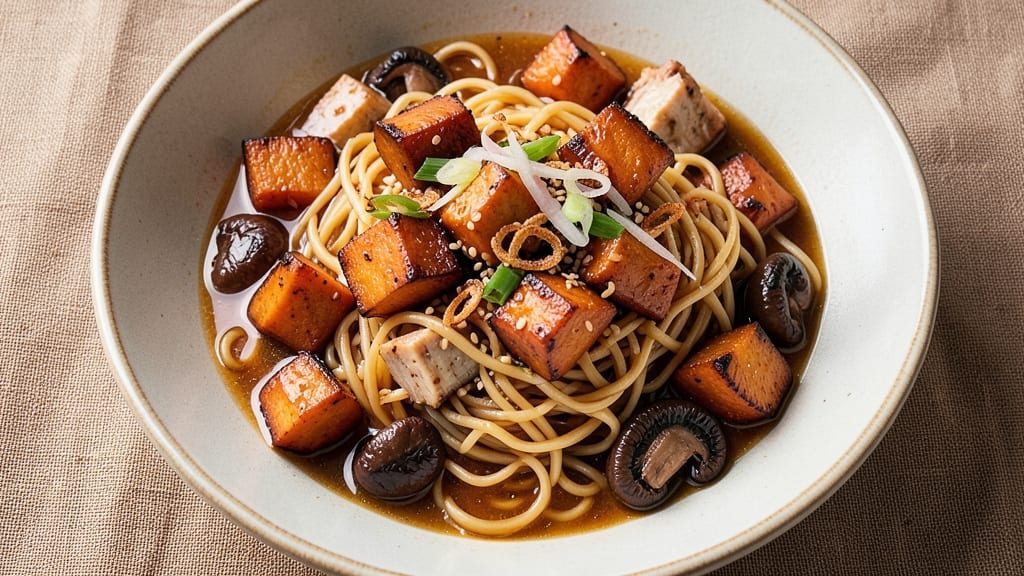
This sweet potato ramen recipe transforms a classic comfort dish into a vibrant, umami-packed masterpiece where roasted sweet potatoes add natural sweetness and depth. The secret lies in balancing that sweetness with rich, savory broth—whether you go traditional with chicken or pork bones or modern with a quick mushroom-miso base.
What makes this recipe stand out is how the sweet potatoes work in two ways: roasted cubes for texture and a silky puree swirled into the broth for a velvety finish.
Preparation is straightforward but strategic: roast the sweet potatoes until caramelized and tender, then build your broth with aromatics, protein, and umami boosters like soy sauce or miso. The noodles cook al dente, absorbing just enough broth to stay tender without turning mushy.
What you end up with is a bowl that’s visually striking—golden sweet potatoes contrasting with creamy broth—and packed with layers of flavor that keep every bite interesting.
The assembly is where the magic happens. Swirl that sweet potato puree into the broth for a luxurious texture, then top with roasted cubes, soft-boiled eggs, and crispy garlic for crunch.
The result is a ramen that’s both comforting and sophisticated, with the sweet potatoes adding a touch of warmth that cuts through the richness of the broth.
It’s the kind of dish that feels like a hug in a bowl—perfect for chilly evenings or when you want to impress without spending hours in the kitchen.
This recipe works equally well as a weeknight dinner or a weekend project, and the leftovers reheat beautifully. The beauty of sweet potato ramen is its versatility: swap in different proteins, adjust the spice level, or add fresh herbs for a lighter touch.
Let’s get cooking—your taste buds will thank you.
Ingredients for sweet potato ramen
Sweet potatoes, umami-rich broth, and crispy toppings—this ramen is a flavor explosion in a bowl.
| Ingredient | Amount | Notes |
|---|---|---|
| Sweet Potatoes 🍠 | 2 lbs | Organic preferred, skin on |
| Ramen Noodles 🍜 | 2 packages | Fresh or dried, 8 oz each |
| Chicken or Pork Bones 🦴 | 2 lbs | For traditional broth base |
| Dried Shiitake Mushrooms 🍄 | 4 whole | For umami depth |
| Garlic Cloves 🧄 | 8 cloves | Fresh, peeled |
| Fresh Ginger 🌿 | 2 tbsp | Grated, fresh preferred |
| Soy Sauce 🍶 | ½ cup | High-quality, like Kikkoman |
| Miso Paste 🍶 | 2 tbsp | White or red, for umami |
| Sesame Oil 🫒 | 1 tbsp | Toasted, for finishing |
| Large Eggs 🥚 | 4 whole | Soft-boiled for topping |
| Green Onions 🧅 | 4 whole | Sliced, for garnish |
| Vegetable Oil 🫒 | 2 tbsp | For roasting sweet potatoes |
| Salt 🧂 | 1 tsp | Kosher or sea salt |
| Black Pepper 🌶️ | ½ tsp | Freshly ground |
The sweet potatoes are the star here. Organic or heirloom varieties have the deepest flavor, but any sweet potato works. Roast them until caramelized—skin-on gives extra texture. Trader Joe's or Whole Foods usually carry the best tubers, but any grocery store will do. For the broth, chicken bones are classic, but pork bones add extra richness. If you're short on time, mushroom broth or store-bought chicken broth works in a pinch—just add extra soy sauce for depth. The dried shiitake mushrooms? Soak them first—they triple in size and pack serious umami punch.
No fresh ginger? Powdered ginger at half the amount gets you close, but fresh is ideal. The miso paste can be white or red—white is milder, red adds more depth. Marukyu brand is my go-to for authentic flavor. Short on time? Instant ramen noodles work, but fresh ramen is worth the splurge. The sesame oil might seem small, but it's what ties all the flavors together—toasted sesame oil has the best flavor. For the eggs, soft-boiled is key—runny yolks are non-negotiable. No time to soft-boil? Microwave method works in 3 minutes.
Roasted sweet potatoes keep 3-4 days in the fridge, but the broth freezes beautifully for 3 months. I always make extra broth—it's perfect for other dishes. The noodles? Cook them just before serving so they stay al dente. Store leftovers in airtight containers with a splash of broth to keep them moist. Pro tip: Freeze broth in ice cube trays for easy portioning later.
Why You'll Love This Recipe
- One-Pot Magic: I swear by this recipe when I’m too tired to wash another pan. The bones simmer right in the pot with the sweet potatoes and shiitakes—no extra bowls, no mess. Just dump, stir, and let the broth work its magic while I chop garlic and pretend I’m not multitasking with work emails.
- Sweet & Savory Crunch: That caramelized sweet potato edge? It’s the star. The bones give the broth depth, the mushrooms add umami, and the garlic—well, let’s just say my roommate still asks for my secret. It’s the kind of flavor that makes you slow down mid-bite, and honestly? That’s my favorite kind of meal.
- Weeknight to Party Upgrade: Same base, endless twists. Keep it simple for a lazy Tuesday with just the ramen and broth, or dress it up for guests by adding a soft-boiled egg and scallions. My kids love the noodles, my partner requests it when we have friends over, and I love that I’m not stuck with two completely different recipes.
- Budget Broth Gold: Pork or chicken bones are cheap, and they turn into liquid gold. A single batch feeds four for dinner and two more for lunch the next day—no sad leftovers here. Between us, this is how I stretch my grocery budget without feeling like I’m eating the same thing twice. (Yes, even on a Tuesday night.)
Step-by-step instructions for sweet potato ramen
Here's how to transform simple ingredients into a rich, comforting bowl of sweet potato ramen.
Roast Sweet Potatoes Until Caramelized
Preheat your oven to 400°F. Peel the 2 lbs sweet potatoes and cut them into 1-inch chunks. Toss them in a large bowl with 2 tablespoons vegetable oil, 1 teaspoon salt, and ½ teaspoon black pepper until evenly coated. Spread them in a single layer on a rimmed baking sheet.
Roast for 25-30 minutes, flipping halfway through, until the edges are deep golden brown and the flesh is tender when pierced with a fork. You'll smell that sweet, caramelized aroma—this is your cue they're ready. Let them cool slightly before using; they'll continue to soften as they sit.
Build the Umami-Packed Broth
While the sweet potatoes roast, prepare the broth base. In a large stockpot, combine the 2 lbs chicken or pork bones, 4 whole dried shiitake mushrooms (torn into quarters), 8 cloves garlic (lightly smashed), and 2 tablespoons grated fresh ginger. Add 8 cups cold water and bring to a boil over high heat.
Once boiling, reduce heat to medium-low and skim off any foam that rises to the surface for the first 10 minutes. This ensures a clear broth. Add ½ cup soy sauce and 2 tablespoons miso paste, stirring to dissolve completely. Simmer uncovered for 1.5 hours until the broth reduces slightly and develops a rich, deep color.
Prepare the Ramen Noodles
About 20 minutes before serving, bring a large pot of water to a rolling boil. Add the 2 packages ramen noodles and cook according to package instructions until just al dente. Drain immediately and rinse briefly under cold water to stop the cooking process. This prevents them from becoming mushy when added to the hot broth.
Divide the cooked noodles evenly among 4 bowls. Ladle 1.5 cups of the hot broth over each serving, reserving the remaining broth for later. The noodles should be fully submerged in the warm broth—this helps them soften further and absorb all those delicious flavors.
Assemble and Garnish Each Bowl
Return the roasted sweet potatoes to the baking sheet and broil for 2-3 minutes until slightly crispy on the edges. Divide them evenly among the bowls of noodles. Crack 1 large egg into each bowl and gently stir the broth to create soft-poached egg ribbons throughout.
Drizzle each bowl with 1 teaspoon sesame oil and garnish with 1 whole sliced green onion. The contrast of sweet caramelized potatoes, rich umami broth, and silky eggs creates the perfect balance in every bite. Serve immediately while the noodles are hot and the broth is steaming.
Pro Tips For Making Sweet Potato Ramen
- CHAR THE BONES LONG ENOUGH: I learned this the hard way—pork or chicken bones need at least 2 hours of simmering to pull real flavor, not just a faint broth. If you’re short on time, add a splash of soy sauce or fish sauce early to mimic depth, but nothing beats the slow extraction of collagen.
- SLICE SWEET POTATO THIN: Cut sweet potatoes into ¼-inch slices, not thick chunks. Thin slices cook faster, soak up broth better, and actually soften without turning to mush—no one wants a gummy ramen. A sharp knife and steady hand make this easier than it sounds.
- SOAK MUSHROOMS FIRST: Toss dried shiitake in hot water for 20 minutes before using. This rehydrates them properly so they don’t turn to sawdust in the broth. Save that soaking liquid—it’s packed with umami and adds depth without extra effort.
- SALT THE BROTH MID-SIMMER: Add salt (about 1½ teaspoons per liter) after the bones have simmered 45 minutes, not at the start. This lets the broth develop its natural richness first, and you’ll avoid over-salting if you taste-test later. Trust me, your noodles will thank you.
Perfect pairings for this recipe
Sweet Broth Pairings
Balance the sweetness of your roasted sweet potatoes with complementary broth flavors. A miso-ginger broth (using 2 tbsp white miso and 1 tbsp grated ginger) enhances umami while keeping the dish harmonious.
For extra depth, add 1 tbsp fish sauce or 1 tsp gochujang—just enough to add a subtle kick without overpowering the natural sweetness. 🌶️
If you prefer a lighter broth, try a vegetable-based version with 1 cup shiitake mushrooms, 2 tbsp tamari, and 1 tbsp sesame paste. This keeps the dish vegetarian-friendly while still delivering rich, savory notes that pair beautifully with the sweet potatoes.
Crunchy Toppings
Add texture with crispy garlic (sauté 4 cloves minced garlic in 1 tbsp butter until golden) or fried shallots (toss ¼ cup sliced shallots in 1 tbsp oil and fry until crispy). These toppings cut through the creaminess of the broth and add a satisfying crunch.
I love sprinkling toasted sesame seeds (heat 1 tbsp seeds in a dry pan for 2 minutes) for an extra nutty flavor. 💫
Fresh Garnishes
Brighten the bowl with thinly sliced scallions and cilantro leaves for a fresh contrast. A drizzle of chili oil (mix 1 tbsp neutral oil with ½ tsp red pepper flakes) adds a spicy finish that balances the sweetness.
For a creamy touch, top with a dollop of whipped coconut cream or a sprinkle of crumbled soft cheese like feta or goat cheese.
Beverage Pairings
Pair your sweet potato ramen with a lightly effervescent Japanese lager like Asahi Super Dry—its crispness cleanses the palate between bites. For a non-alcoholic option, try yuzu sparkling tea or matcha green tea with honey, which complements the dish’s sweet and savory notes.
A bold black tea like Earl Grey also works well for a more traditional pairing. 🍵
Nutrition facts
Frequently asked questions
Can I make this sweet potato ramen vegetarian?
Replace the chicken or pork bones with 2 cups dried shiitake mushrooms and 1 cup kombu seaweed for umami depth. Use vegetable broth instead of meat broth and add 2 tbsp tamari or soy sauce for savory flavor. The roasted sweet potatoes will still shine as the star topping!
How do I prevent my ramen noodles from getting mushy?
Cook them just al dente (about 2 minutes less than package instructions), then rinse briefly in cold water to stop cooking. Add noodles to bowls right before serving with hot broth—this keeps them firm and prevents sogginess. For extra insurance, use fresh ramen noodles instead of dried.
What's the best way to store leftovers?
Store broth and noodles separately in airtight containers. Broth keeps for 3 days in the fridge or 3 months frozen. Reheat noodles in a dry pan for 2-3 minutes with a splash of broth to restore texture. Never reheat the whole bowl—this makes noodles rubbery.
Can I make the sweet potato puree ahead of time?
Yes! Roast extra sweet potatoes, then blend 1 cup cooked sweet potato with 2 tbsp broth until smooth. Store in an airtight container for 2 days in the fridge. Swirl 1-2 tbsp puree into each bowl of ramen just before serving for that creamy texture.
Why does my broth taste too salty?
Most likely from the miso or soy sauce. Balance it by adding 1 cup hot water to dilute, then taste again. For extra depth without salt, stir in 1 tbsp fish sauce or 1 tsp gochujang—these add umami without increasing sodium. Always taste as you go!