
Side Dishes
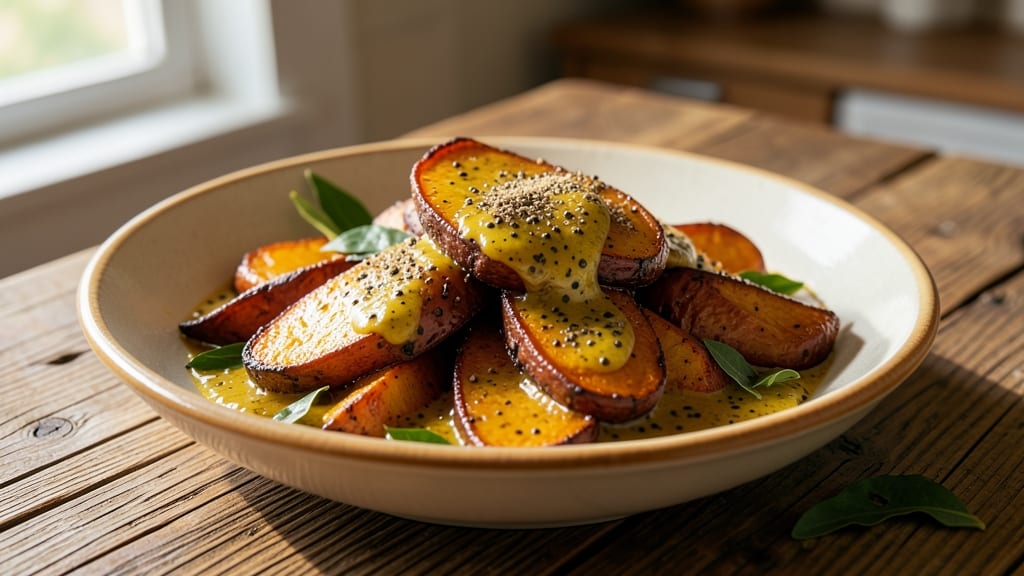
This sweet potato sabji recipe transforms humble sweet potatoes into a fragrant, spiced side dish with caramelized edges that make every bite irresistible. 🌟 The secret lies in a simple one-pan method that develops deep, earthy flavors through gentle roasting and aromatic spices like cumin and turmeric—no pressure cooker required.
I've perfected this version to balance sweetness and savory warmth, perfect for pairing with rice or roti.
The process couldn't be simpler: dice the sweet potatoes into even pieces, toss them in a blend of mustard seeds, curry leaves, and garam masala, then roast until tender with crispy edges.
This approach preserves the natural sweetness while building complex layers of flavor through slow caramelization. The spices bloom beautifully in the oven, creating that signature Indian sabji aroma that fills your kitchen.
What you'll end up with is a vibrant side dish where each piece offers the perfect contrast—tender flesh with a crispy exterior, all infused with warm spices.
The natural sweetness of the potatoes pairs beautifully with the earthy notes of cumin and the subtle heat of red chili powder. This recipe delivers restaurant-quality results with minimal effort, making it ideal for weeknight dinners or special occasions.
For an extra touch of richness, finish with a drizzle of coconut milk or toasted cashews, or keep it traditional with a sprinkle of fresh coriander. The versatility of this dish means it works equally well as a side or even a light vegetarian main course.
Let's get cooking—your taste buds will thank you!
Ingredients for sweet potato sabji
Aromatic spices and sweet potatoes create this fragrant, caramelized sabji side dish.
| Ingredient | Amount | Notes |
|---|---|---|
| Sweet Potatoes 🍠 | 2 lb | Medium, peeled and cubed |
| Mustard Seeds 🌿 | 1 tbsp | Whole, toasted first |
| Curry Leaves 🌿 | ¼ cup | Fresh, roughly chopped |
| Garam Masala 🌶️ | 1 ½ tsp | Ground, for depth |
| Ground Cumin 🌿 | 1 tsp | Toasted for aroma |
| Turmeric Powder 🧂 | ½ tsp | Freshly ground preferred |
| Red Chili Powder 🌶️ | ½ tsp | Adjust for heat |
| Asafoetida Powder 🌿 | ¼ tsp | Optional, for depth |
| Olive Oil 🫒 | ¼ cup | For tossing and roasting |
| Salt 🧂 | 1 tsp | Kosher or sea salt |
| Fresh Coriander 🌿 | ¼ cup | Chopped, for garnish |
| Coconut Milk 🥥 | ¼ cup | Optional, for richness |
The sweet potatoes are the star here—look for firm, vibrant ones with smooth skin. Indian or Asian markets usually carry the best varieties, but any orange-fleshed sweet potato will work. Peeled and cubed evenly, they roast up perfectly. For the spices, MDH or Everest brands are reliable, but if you've got access to a bulk spice shop, grab whole spices to toast and grind yourself. That extra effort makes a world of difference in flavor. The mustard seeds? Toast them first in a dry pan until they pop—this releases their nutty aroma and makes them sing in the dish.
No curry leaves? Fresh cilantro works in a pinch, but it won't have that same earthy punch. Running short on garam masala? Mix half cumin, half coriander, and a pinch of cinnamon for a similar effect. The coconut milk is optional but adds a lovely richness—skip it if you prefer a lighter dish. For extra crispy edges, toss the cubes in a little cornstarch before roasting. And if you're feeling adventurous, finish with a sprinkle of toasted cashews or peanuts for crunch. The red chili powder can be adjusted to taste, so go easy if you're sensitive to heat.
This dish reheats beautifully—just pop it back in the oven for 5-10 minutes to crisp up the edges again. Store leftovers in an airtight container for up to 5 days, though I find it's best enjoyed fresh. For meal prep, roast a big batch and portion it out—pairs perfectly with rice or roti. If you're making this ahead, hold off on the fresh coriander until serving so it stays vibrant. The spices keep their potency for months if stored in a cool, dark place, but once mixed, this sabji is best enjoyed within a week.
Why You'll Love This Recipe
- One-Pot Magic: I swear by this—just toss chopped sweet potatoes, whole spices, and a splash of water into one pan. No chopping boards, no extra pots, and honestly? That garam masala and cumin smell alone makes the whole kitchen feel like a hug.
- Caramelized Crunch: The secret’s in the slow cook—those sweet potatoes develop this irresistible crispy edge while staying tender inside. Between us, the mustard seeds sizzling in hot oil? That’s the moment the whole dish levels up.
- Lunchbox Hero: Pack it cold for work or school—it reheats like a dream and actually tastes better the next day. My kids beg for seconds (yes, even on a Tuesday night), and it’s the only sabji that survives my toddler’s lunchbox chaos.
- Pantry Staple Power: Sweet potatoes last forever, and the spices? You’re probably already using them. I’ll be real: this is my go-to when I’m low on groceries but refuse to serve boring food. Plus, the leftovers freeze perfectly—just add water when reheating.
Step-by-step instructions for sweet potato sabji with caramelized edges
Here's how to transform simple sweet potatoes into a fragrant, spiced sabji with perfectly caramelized edges.
🔥 Step 1: Toast the Spices for Maximum Flavor
Heat a dry skillet over medium heat and add the 1 tablespoon mustard seeds. Let them sizzle for 30 seconds until they pop and turn golden. This is where the magic starts—those tiny seeds release their nutty aroma that'll infuse the entire dish.
Next, add the 1 teaspoon ground cumin and 0.25 teaspoon asafoetida powder. Stir constantly for 20 seconds until the cumin darkens slightly and smells earthy. This quick toasting deepens their flavors dramatically. Immediately transfer these toasted spices to a small bowl and set aside—you'll add them back later.
🍳 Step 2: Sauté Aromatics Until Fragrant
In the same skillet (no need to clean it—the flavor is in those browned bits), add 0.25 cup olive oil over medium heat. Once the oil shimmers, add the 0.25 cup curry leaves and let them sizzle for 1 minute until they darken and release their citrusy aroma. Watch carefully—they burn quickly!
Add the toasted spices from earlier along with the 1.5 teaspoons garam masala, 0.5 teaspoon turmeric powder, 0.5 teaspoon red chili powder, and 1 teaspoon salt. Stir for 30 seconds until the spices bloom and fill your kitchen with that warm, spicy sweet potato sabji scent. This is your flavor base—don't rush it.
👨🍳 Step 3: Roast the Sweet Potatoes to Caramelized Perfection
Add the 2 lb peeled and cubed sweet potatoes to the skillet, tossing to coat them evenly in the spice oil. Increase heat to medium-high and let them roast undisturbed for 5 minutes—this gives them time to develop those beautiful caramelized edges while staying tender inside.
After 5 minutes, stir the sweet potatoes gently with a wooden spoon. You'll see the edges starting to turn golden brown—that's exactly what we want. Continue roasting for another 10-12 minutes, stirring every 3-4 minutes, until the potatoes are tender when pierced with a knife but still have some bite.
🥘 Step 4: Finish with Coconut Milk for Creamy Richness
Pour in the 0.25 cup coconut milk and stir gently to combine. The milk will create a light, creamy sauce that coats the sweet potatoes beautifully. Let the mixture simmer for 2-3 minutes until the milk reduces slightly and clings to the potatoes. If it looks too thin, cook for another minute—you want that silky texture.
Taste and adjust seasoning if needed. The coconut milk adds natural sweetness, so you might not need extra salt, but give it a try. Remove from heat and stir in the 0.25 cup chopped fresh coriander. This adds a bright, fresh finish that cuts through the richness of the coconut milk.
⏰ Step 5: Rest and Serve With Warm Naan
Let the sabji rest for 5 minutes before serving. This allows the flavors to meld together and the potatoes to absorb all that delicious spiced oil. The resting also prevents a messy plate when you serve it—trust me, you'll thank yourself later.
Serve immediately with warm naan or steamed rice. Each bite should deliver tender sweet potatoes with caramelized edges, aromatic spices, and a creamy coconut finish. The mustard seeds will pop in your mouth, the curry leaves add citrusy brightness, and the garam masala brings that warm spiced depth you crave in every bite.
Pro Tips For Making Sweet Potato Sabji
- Boil Until Fork-Tender: Sweet potatoes for sabji should be just soft enough to pierce with a fork—not mushy, not rock-hard. I learned this the hard way: overcooking turns them to glue, while undercooked chunks make the dish feel unfinished. Aim for 15-18 minutes in boiling water (depending on size), then shock in ice water to stop cooking. This keeps them firm enough to hold shape but tender enough to melt in your mouth.
- Toast Cumin Until Aroma Pops: Ground cumin loses its soul if you add it to hot oil too early. Wait until the mustard seeds are sizzling and the curry leaves are dancing, then sprinkle the cumin—it’ll darken in seconds and fill your kitchen with that warm, earthy scent. Skip this, and you’ll just get a bland, ashy flavor instead of that deep, toasty kick.
- Skip the Overcrowding: I used to toss all the sweet potatoes into the pan at once, thinking it’d cook faster. Wrong. Overcrowding steams them instead of letting them develop those caramelized edges that make sabji sing. Cook in batches—start with half, let them brown slightly, then add the rest. The extra 2 minutes saves you from a sad, soggy mess.
- Use Leftover Starch for Sauce: That watery starch from boiling sweet potatoes? Don’t drain it. Strain it into your tempering (the mustard-seed-curry-leaf mix) and let it simmer into a glossy, slightly thickened sauce. It’s the secret to that restaurant-style sheen—no extra cornstarch needed. Just reduce it down until it coats the back of a spoon, and your sabji will feel restaurant-ready.
Creative variations of sweet potato sabji
South Indian Style
For a South Indian twist, replace coconut milk with ½ cup tomato puree and add 1 tbsp tamarind paste for tanginess. Use 1 tsp fennel seeds instead of mustard seeds—they add a sweet, licorice note that pairs perfectly with sweet potatoes.
Garnish with thinly sliced green chilies and toasted coconut flakes for texture. This version works beautifully with dosa or idli. 🌶️
North Indian Masala Twist
Take this sabji to the next level by adding ½ cup yogurt at the end for creaminess. Stir in 1 tsp chaat masala and ½ tsp black salt (kala namak) for that signature tangy, sulfurous kick.
Serve with tadka dal and roti for a complete North Indian meal. The yogurt balances the sweetness beautifully while keeping the dish light.
Spicy Coconut Curry
Turn this into a curry by simmering the roasted sweet potatoes with 1 can (14 oz) coconut milk and 1 tbsp red chili paste for 10 minutes. Add 1 tsp turmeric and 1 cup spinach at the end for color.
Serve with steamed basmati rice and a side of raita. The coconut milk adds richness while keeping the dish vibrant and full of flavor. 🥥
Healthy Roasted Version
Skip the coconut milk entirely and focus on roasting the sweet potatoes with 1 tsp smoked paprika and ½ tsp cinnamon for warmth. Toss with 1 tbsp maple syrup and 1 tsp lemon juice before roasting to enhance natural sweetness.
Garnish with toasted pumpkin seeds for crunch and protein. This version is perfect for meal prep—store in airtight containers for up to 5 days.
Fusion Twist with Peanut
For a fusion-inspired dish, stir in 2 tbsp peanut butter and 1 tsp soy sauce at the end. Top with crushed peanuts and thinly sliced scallions.
This adds a nutty, umami depth that works surprisingly well with the sweet potatoes. Serve with jasmine rice for a modern take on sabji. 🥜
Smoky Grill Version
Swap the oven for a grill! Toss cubed sweet potatoes with the spice mix and grill over medium heat for 12-15 minutes, turning occasionally, until charred. Finish with a drizzle of olive oil and fresh cilantro.
The smoky flavor adds a whole new dimension—perfect for summer barbecues or as a side for grilled meats. Serve with grilled naan for a complete outdoor meal.
Nutrition facts
Frequently asked questions
Can I use regular potatoes instead of sweet potatoes?
While you can use regular potatoes, the flavor will be completely different. Sweet potatoes bring natural sweetness and a creamy texture that pairs beautifully with the spices. For a similar texture, try yams—but they'll have a slightly different taste. The caramelization works best with sweet potatoes' natural sugars.
How do I adjust the spice level for kids?
Simply reduce the red chili powder to ¼ teaspoon or omit it entirely. For extra mildness, add ½ teaspoon sugar or 1 tablespoon honey to balance the spices. Kids often love the sweetness of roasted sweet potatoes, so the natural flavor will still shine through.
Can I make this sabji ahead of time?
Yes! This dish actually tastes better the next day as the flavors meld. Store in an airtight container for up to 4 days. Reheat in a skillet with 1 tablespoon water over medium heat for 5-7 minutes, stirring occasionally, until heated through. The edges will crisp up again beautifully.
What's the best way to cut sweet potatoes for even cooking?
Cut them into 1.5-inch cubes for even cooking. For extra crispy edges, cut slightly larger pieces (2 inches). Always peel first and remove any hard spots. If you prefer softer potatoes, cut them smaller (1-inch cubes) and reduce roasting time by 3-4 minutes.
Why did my sweet potatoes turn mushy?
Overcooking is the most common cause. Check doneness by piercing with a fork—it should go in easily but still have slight resistance. For extra insurance, reduce roasting time by 2 minutes and check frequently. Also, avoid overcrowding the pan, which traps steam and makes them steam instead of roast.