
Side Dishes
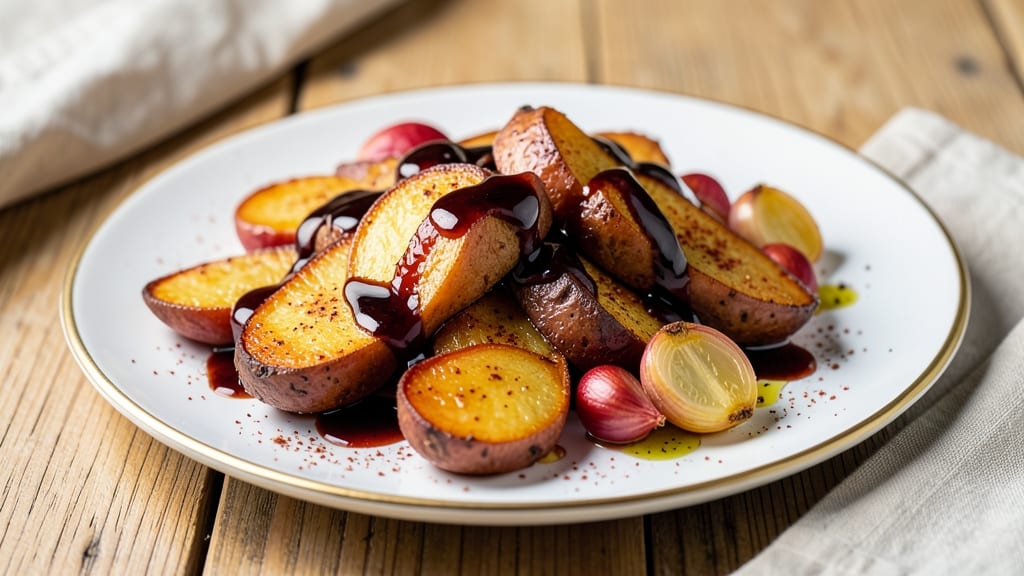
This sweet potato shallot recipe transforms humble roots and aromatic shallots into a rich, caramelized side dish that steals every meal.
The secret lies in slow-roasting sweet potatoes until tender and crisping shallots until deep golden, creating a balance of sweetness and earthy depth that pairs perfectly with proteins or stands alone.
I developed this technique after years of experimenting with roasted vegetables, and it never fails to impress—whether served at Thanksgiving, weeknight dinners, or holiday feasts.
The magic happens in the oven, where sweet potatoes develop a tender, creamy interior while their edges crisp slightly, and shallots caramelize into a sticky, sweet glaze.
A pinch of smoked paprika and a splash of balsamic vinegar elevate the flavors, adding warmth and complexity without overpowering the natural sweetness. The dish is simple yet sophisticated, requiring minimal effort but delivering restaurant-quality results.
By the time it emerges from the oven, you’ll have a fragrant, visually stunning dish with sweet potatoes that are fork-tender and shallots that melt in your mouth. The aroma alone will have everyone at the table anticipating the first bite.
This recipe is versatile enough to serve as a side for roasted meats, a base for grain bowls, or even a hearty vegetarian main course.
Ready in under 45 minutes and requiring just five key ingredients, this dish is perfect for home cooks who want to elevate their meals without spending hours in the kitchen. The best part? Leftovers reheat beautifully, making it an ideal make-ahead option for busy weeks. Let’s get cooking!
Ingredients for sweet potato shallot
Five ingredients transform humble roots into a restaurant-worthy side dish with caramelized sweetness and earthy depth.
| Ingredient | Amount | Notes |
|---|---|---|
| Sweet Potatoes 🍠 | 1 ½ lb | Medium-sized, peeled and cubed |
| Shallots 🧅 | 1 lb | Peeled and halved lengthwise |
| Extra-Virgin Olive Oil 🫒 | ½ cup | For roasting and caramelizing |
| Smoked Paprika 🌶️ | 1 tsp | For depth and smokiness |
| Balsamic Vinegar 🍷 | 1 tbsp | High-quality, aged variety |
| Kosher Salt 🧂 | 1 tsp | Diamond Crystal preferred |
| Freshly Ground Black Pepper 🌶️ | ½ tsp | For seasoning |
| Fresh Thyme Leaves 🌿 | ¼ cup | Chopped, for garnish |
The sweet potatoes are the foundation—look for vibrant, firm roots with no soft spots. Organic varieties like Beauregard develop the best texture. Shallots should be plump and firm, not sprouting. Whole Foods or local farmers' markets often carry the freshest cuts. Smoked paprika adds complexity, so Penzeys or McCormick brands deliver consistent quality. For the balsamic, aged varieties from Italian markets provide the deepest flavor profile, though a quality bottle from Trader Joe's works perfectly for home cooking. Fresh thyme elevates the dish, so bundle it loosely in a damp paper towel for storage.
No smoked paprika? Substitute with a mix of sweet paprika and a pinch of liquid smoke—start with ½ tsp of each for similar depth. Shallots can be swapped for yellow onions, though they’ll caramelize faster and need closer monitoring. Balsamic vinegar unavailable? A splash of red wine vinegar plus ½ tsp maple syrup mimics the tangy-sweet balance. For a quicker prep, use pre-cut sweet potato cubes from the grocery store’s fresh section, though freshly peeled yields superior texture. The thyme can be omitted if unavailable, but its aroma is a key component of this dish’s allure.
Roasted sweet potatoes keep well in an airtight container for 3-4 days in the fridge, though their texture softens further with each reheat. The shallot glaze freezes beautifully—portion into ice cube trays for easy use in future dishes. For best results, store components separately and reheat gently in the oven to preserve crispness. This dish reheats beautifully, making it ideal for meal prep—simply warm through with a drizzle of olive oil before serving. The flavors intensify overnight, so leftovers often taste even better the next day.
Why You'll Love This Recipe
- One-Pan Magic: I swear by this recipe when I’m too tired to wash dishes—just roast those sweet potatoes and shallots together, toss in the olive oil and smoked paprika, and let the oven do the work. The shallots caramelize right alongside the sweet potatoes, so you get that sweet, nutty crunch without extra pans.
- Smoky-Sweet Obsession: That combo of smoked paprika and balsamic vinegar? It’s like a flavor bomb. The sweet potatoes soak up the richness while the shallots add a sharp, jammy depth—simple ingredients, but the balance is ridiculously good. Honestly, I’ve made it three times this week already.
- Meal Prep MVP: Between us, this is my go-to for lunchboxes or quick dinners. Roast a big tray on Sunday, and you’ve got leftovers that taste even better the next day—especially when you reheat them with a drizzle of olive oil. (Yes, even on a Tuesday night.)
- Budget-Friendly Flex: Sweet potatoes and shallots are cheap, and this recipe stretches them far. I’ll often double the batch, save half for later, and still have money left for actual wine. Plus, the balsamic and olive oil make it feel fancy without breaking the bank. It’s my secret weapon for looking like a cooking pro.
Step-by-step instructions for sweet potato shallot caramelization
Here's the method for transforming humble sweet potatoes and shallots into a rich, caramelized masterpiece.
Par-Cook the Sweet Potatoes for Even Caramelization
Preheat your oven to 400°F and line a baking sheet with parchment paper. In a large pot, combine the 1.5 lb sweet potatoes with 1 cup water and bring to a boil. Reduce heat to medium and simmer for 8-10 minutes until the sweet potatoes are tender when pierced with a fork but not falling apart.
Drain the sweet potatoes immediately and spread them evenly on the prepared baking sheet. This partial cooking ensures they caramelize evenly rather than burning on the outside while staying raw inside. Return them to the oven for 15 minutes to dry out slightly—this step is crucial for achieving that perfect caramelized crust later.
Caramelize the Shallots with Olive Oil
While the sweet potatoes are drying, heat 0.25 cup extra-virgin olive oil in a large oven-safe skillet over medium-low heat. Add the 1 lb shallots (halved lengthwise) and cook for 15-20 minutes, stirring occasionally, until they begin to soften and release their moisture.
Here's the thing—don't rush this step. You want the shallots to cook slowly and release their natural sugars. When they turn golden brown and the edges start to crisp, they're ready. The oil should be infused with their sweet, nutty aroma. If it starts to smoke, reduce the heat slightly and give it more time to develop those caramelized flavors.
Roast the Sweet Potatoes to Perfect Caramelization
Increase your oven temperature to 425°F. Transfer the dried sweet potatoes to the skillet with the caramelizing shallots and olive oil. Drizzle the 1 tbsp balsamic vinegar evenly over the sweet potatoes, then sprinkle with 1 tsp smoked paprika, 1 tsp kosher salt, and 0.5 tsp freshly ground black pepper. Toss everything gently to coat the sweet potatoes with the shallot mixture.
Roast for 25-30 minutes, stirring once halfway through, until the sweet potatoes are tender and the edges are deeply caramelized with a dark mahogany color. You'll know it's done when the sweet potatoes release easily from the skillet and the shallots are fully integrated into the mixture, creating a rich, sweet-savory glaze.
Finish with Fresh Thyme for Brightness
Remove the skillet from the oven and let it rest for 5 minutes off the heat. This resting period allows the flavors to meld and the sweet potatoes to absorb any remaining juices. Stir in the 0.25 cup fresh thyme leaves, tossing gently to distribute the bright herbal notes throughout the dish.
Serve immediately while the sweet potatoes are still warm, allowing the caramelized shallots to cling to each forkful. The contrast between the tender sweet potatoes, caramelized shallots, and fresh thyme creates a harmonious balance of sweet, savory, and aromatic flavors. This dish pairs beautifully with a simple green salad or crusty bread to soak up the rich caramelized juices.
Pro Tips For Making Sweet Potato Shallot
- CUT SHALLOTS SMALL: Tiny dice—no bigger than ¼-inch—caramelize faster and sweeter. I used to slice them in thick rounds, and they’d just sit there, stubbornly raw while the sweet potatoes burned. Trust me, the effort pays off in flavor.
- ROAST POTATOES FACE-DOWN: Place them cut-side down on the tray for the first 15 minutes. This keeps the edges crispy instead of turning to mush while the centers cook. (Yes, it looks weird, but your future self will high-five you.)
- SALT THE SHALLOTS FIRST: Toss the raw shallots with a pinch of salt before roasting—they’ll soften faster and develop deeper flavor. I learned this the hard way after a batch tasted bland and undercooked. Do it early, before the oil.
- DEGLAZE WITH VINEGAR LAST: Wait until the pan is almost dry before adding balsamic—just a splash to loosen the fond. Dump it in too soon, and you’ll dilute the smoky paprika’s punch. (Your nose will thank you.)
Common mistakes when making this recipe
Overcooking Sweet Potatoes
Sweet potatoes turn mushy and lose their natural sweetness when overcooked. I’ve ruined this dish more times than I’d admit by leaving them in the oven past 30 minutes at 425°F. The key is timing—test with a fork: it should slide in easily but not fall apart.
If they’re still firm after 30 minutes, cover with foil and roast 5-10 minutes more—this traps steam for even cooking without overdoing it. 🍠
Skipping the Par-Cook
Skipping the 8-10 minute par-cook in boiling water leads to uneven caramelization. Raw sweet potatoes on the outside and undercooked centers are a nightmare. The partial cook ensures even browning while keeping the interior tender.
If you’re short on time, microwave the sweet potatoes for 5 minutes first to soften them slightly before roasting.
Rushing the Shallot Caramelization
Caramelizing shallots too quickly results in burnt edges and raw centers. I’ve learned the hard way—patience is key here. Cook them over medium-low heat for 15-20 minutes, stirring occasionally.
If the oil starts to smoke, reduce the heat immediately. The shallots should be golden brown and soft when done, not crispy or burnt. 🧅
Uneven Seasoning
Tossing the sweet potatoes with seasonings after they’ve already roasted can lead to dry, flavorless bites. Instead, sprinkle the smoked paprika, salt, and pepper directly onto the skillet before roasting.
This ensures every piece gets coated in the aromatic spices and caramelized shallot glaze. A quick toss halfway through the roasting time helps distribute everything evenly.
Ignoring the Resting Time
Serving the dish immediately after roasting causes the caramelized shallots to slide off the sweet potatoes. Let it rest for 5 minutes off the heat—this allows the juices to redistribute and the flavors to meld.
I’ve seen this mistake turn a perfect dish into a messy one. Trust me, the wait is worth it for that perfect bite where the shallots cling to the sweet potatoes. 💫
Using the Wrong Shallots
Not all shallots caramelize the same way. Smaller, firmer shallots (like French gray shallots) hold their shape better and develop deeper flavor. Larger, softer shallots can turn mushy. If you’re using store-bought shallots, look for ones that are plump and firm—avoid any that are sprouting or feel rubbery.
For an extra boost, soak them in cold water for 10 minutes before cooking to remove any dirt and firm them up.
Nutrition facts
Frequently asked questions
Can I make this recipe with regular potatoes instead of sweet potatoes?
While you can substitute regular potatoes, the flavor and texture won't be the same. Sweet potatoes have a natural sweetness and creamy texture that pairs perfectly with caramelized shallots. If you must use regular potatoes, try Yukon golds—they'll hold their shape better than russets and have a slightly sweet flavor. For best results, stick with sweet potatoes for that rich, velvety finish.
How can I make this dish vegetarian or vegan?
This recipe is already vegetarian! For a vegan version, simply ensure your olive oil is certified vegan and check that your smoked paprika doesn't contain any animal-derived additives. The dish relies entirely on plant-based ingredients, making it naturally vegan-friendly. The caramelized shallots and sweet potatoes create a satisfying, hearty texture without any animal products.
What's the best way to reheat leftovers?
Reheat leftovers in a 350°F oven for 10-15 minutes with a drizzle of olive oil to restore crispiness. Avoid microwaving—they'll turn soggy. For extra flavor, add a splash of water or broth to the skillet before reheating to create a light sauce from the caramelized shallots. The dish reheats beautifully, often tasting even better the next day as flavors meld further.
Can I use this recipe for meal prep? This dish stores well in an airtight container for 3-4 days in the fridge. Portion into individual containers and reheat as needed. For longer storage, freeze the components separately—sweet potatoes and shallot mixture freeze well for up to 3 months. The flavors intensify when reheated, making it perfect for busy weeks. Just
What other proteins pair well with this dish?
This caramelized sweet potato and shallot combination pairs beautifully with grilled chicken, roasted pork tenderloin, or even pan-seared salmon. For vegetarian options, try it with chickpeas or white beans. The sweet-savory balance complements both rich meats and plant-based proteins perfectly. Serve with a simple green salad to round out the meal.