Side Dishes
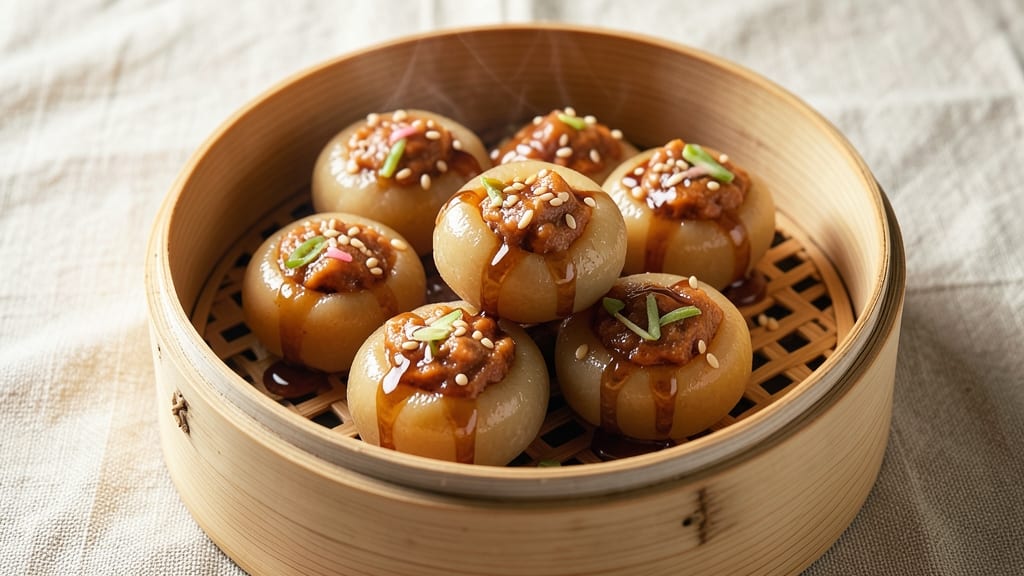
This sweet potato tang yuan recipe brings the beloved Lunar New Year dessert to your kitchen with its signature chewy texture and fragrant filling. The perfect balance of sweet potato's natural sweetness and the rich brown sugar filling creates a dish that's both comforting and celebratory.
What makes this recipe special is the combination of traditional techniques and simple ingredients that deliver restaurant-quality results at home.
The process begins with preparing the glutinous rice dough, which requires just a few simple ingredients and a bit of patience for the perfect chewy consistency. Meanwhile, the sweet potato filling is made by blending steamed sweet potatoes with brown sugar and a touch of ginger for warmth.
Shaping the balls is where the magic happens—rolling the dough into smooth spheres and carefully stuffing them with the filling.
Once shaped, the tang yuan are gently poached in water until they float to the surface, indicating they're perfectly cooked. The final touch is a light syrup made with ginger or sesame, which adds an aromatic finish.
This dish is not only delicious but also deeply meaningful, often associated with family gatherings and special occasions.
Whether you're celebrating a holiday or simply craving a comforting dessert, this sweet potato tang yuan recipe delivers a taste of tradition with every bite. The combination of textures—chewy exterior, tender filling—makes it a standout dessert that's sure to impress. Ready to create this timeless treat?
Ingredients for sweet potato tang yuan
Simple ingredients transform into restaurant-quality sweet potato tang yuan with chewy texture and fragrant filling.
| Ingredient | Amount | Notes |
|---|---|---|
| Glutinous Rice Flour 🌾 | 2 cups | Also called sweet rice flour |
| Water 💧 | 1 cup | Room temperature preferred |
| Sweet Potatoes 🍠 | 1 ½ lb | Orange-fleshed variety preferred |
| Brown Sugar 🍯 | 1 cup | Packed, light or dark |
| Ginger 🧄 | 1 tbsp | Fresh, grated or minced |
| Sesame Seeds 🌰 | ¼ cup | Toasted for aroma |
| Vegetable Oil 🫒 | 1 tbsp | For dough preparation |
| Salt 🧂 | ½ tsp | Fine sea salt preferred |
| Sesame Oil 🫒 | 1 tbsp | For syrup, not cooking |
| White Sugar 🍚 | ½ cup | For syrup |
| Water 💧 | 1 ½ cups | For poaching and syrup |
| Sesame Seeds 🌰 | 0.1 cup | Extra for garnish |
The glutinous rice flour is the foundation—look for 100% pure sweet rice flour at Asian markets for authentic texture. Bob's Red Mill carries it if you can't find it elsewhere, but brands like Foon Cheow or Golden Mountain are ideal. The sweet potatoes should be firm and vibrant orange—no green spots. For the filling, light brown sugar gives a subtle molasses flavor, while dark adds deeper caramel notes. Ginger matters here: fresh is non-negotiable—dried lacks the bright aroma. Toast your sesame seeds in a dry pan until golden for maximum flavor punch.
No sesame oil? Neutral oil like canola works for the syrup, but sesame's nutty aroma is essential. Short on brown sugar? Swap for white sugar plus 1 tsp molasses. The dough will be sticky—wet your hands when shaping to prevent sticking. For a quicker version, steam the sweet potatoes in the microwave (pierce first) instead of boiling. The syrup ratio can be adjusted: more sugar for sweeter, more water for lighter drizzle. If your tang yuan sink while poaching, they need more resting time before cooking.
Store uncooked dough balls wrapped in plastic for 2 days in the fridge. Cooked tang yuan reheat beautifully—drop them into hot water for 2 minutes. The filling keeps for 3 days in the fridge if made ahead. For a crowd, double the batch and freeze uncooked dough balls (thaw before poaching). The syrup can be made a day ahead—just reheat before drizzling. Garnish with extra toasted sesame seeds and crushed peanuts for texture contrast. These taste even better the next day as flavors meld.
Why You'll Love This Recipe
- Sweet Potato Magic: I swear by these for lazy Sundays—just boil the potatoes, mash them, and mix with flour and water. No rolling pins, no fussy shaping. The dough comes together faster than takeout.
- Ginger-Sweet Balance: That caramelized brown sugar and fresh ginger? It’s like dessert meets comfort food. The sweet potatoes add natural creaminess, so you’re not just eating sugar—you’re getting real, hearty flavor.
- Lunchbox Hero: Pack them cold for breakfast or reheat in minutes. Kids adore the chewy texture, and they’re way better than store-bought dumplings. (Yes, even my picky eater asks for seconds.)
- Budget-Friendly Staple: Sweet potatoes last forever, and you only need a handful of pantry staples. Make a big batch—freeze extras—and you’ve got a ready-made treat for weeks. No waste, all win.
Step-by-step instructions for sweet potato tang yuan
Master these techniques for perfectly chewy rice balls with a rich brown sugar filling.
Prepare the Sweet Potato Filling
Peel and cube the 1.5 lb sweet potatoes into ½-inch pieces. Place them in a medium saucepan with 1.5 cups water, 1 cup brown sugar, and the 1 tbsp grated ginger. Bring to a boil over medium-high heat, then reduce to a simmer for 15-20 minutes until the sweet potatoes are fork-tender and the liquid has reduced by half.
Mash the sweet potatoes until smooth, then return them to the pan. Increase heat to medium and cook for another 5-7 minutes until the mixture thickens and forms a soft, spreadable paste. This filling should be moist but not runny—if it's too thick, add 1 teaspoon water at a time. Let it cool completely before using.
Make the Glutinous Rice Dough
In a large bowl, combine the 2 cups glutinous rice flour and 0.5 tsp salt. Gradually add the 1 cup room-temperature water while stirring with chopsticks or a silicone spatula. The dough will be sticky and form a shaggy mass—this is normal. Knead for 3-5 minutes until smooth and elastic, adding a few drops of water if it feels too dry.
Cover the bowl with plastic wrap and let the dough rest for 30 minutes. This resting period relaxes the gluten and makes it easier to work with. If the dough sticks to your hands, wet them slightly with water—this prevents tearing when shaping later.
Shape the Tang Yuan
Divide the rested dough into 16 equal pieces (about 1.5 oz each). Roll each piece between your palms into a 1-inch diameter ball, then flatten slightly into a ½-inch thick disc. Place 1 teaspoon of the sweet potato filling in the center of each disc and pinch the edges together to seal completely. Roll the sealed edges between your palms to form smooth, round balls.
For extra flavor, gently press ½ teaspoon of toasted sesame seeds into the surface of each ball. Arrange them on a parchment-lined tray, cover with a damp towel, and let rest for 20 minutes. This prevents cracking when they hit the boiling water later.
Poach the Tang Yuan
Bring a large pot of water to a gentle boil over medium heat. The water should be hot but not rolling—you want small bubbles breaking the surface. Add the 1 tbsp vegetable oil to prevent sticking, then carefully drop in the tang yuan. They'll float to the surface, so use a slotted spoon to gently press them down.
Poach for 8-10 minutes until they rise to the surface and develop a slightly translucent appearance. They're done when they float steadily and the edges look smooth and firm. Remove with a slotted spoon and drain on a wire rack.
Prepare the Syrup and Serve
In a small saucepan, combine the 0.5 cup white sugar, 1 tbsp sesame oil, and 1 cup water. Bring to a boil over medium heat, then reduce to a simmer and cook for 5-7 minutes until slightly thickened. The syrup should coat the back of a spoon but remain pourable.
Drizzle the warm syrup over the poached tang yuan and sprinkle with the remaining 0.1 cup sesame seeds. Serve immediately while still warm, with extra syrup on the side for dipping. The contrast of chewy exterior and sweet, spiced filling makes every bite irresistible.
Pro Tips For Making Sweet Potato Tang Yuan
- STEAM AT 180°F: I learned this the hard way—boiling water at a rolling simmer makes your tang yuan tough and gummy. Use a steamer basket with about 1 inch of water and keep the heat steady at 180°F (medium-low). Too hot, and they’ll burst; too low, and they’ll turn gluey. A thermometer helps, but even without one, watch for a gentle shimmer, not bubbles.
- PEEL SWEET POTATOES COLD: After burning three batches of unevenly cooked filling, I realized: always chill the sweet potatoes first. Cut them raw, then soak in ice water for 10 minutes before peeling. The starch settles, the texture stays firm, and your filling won’t turn to mush when mixed with flour. (Yes, even if you’re impatient like me.)
- KNEAD THE DOUGH 8 MINUTES: This isn’t the prettiest method, but it’s the tastiest: knead the glutinous rice flour and water by hand for exactly 8 minutes. Start with a sticky mess, but keep pressing and folding until it’s smooth and elastic. Less time = dense, dry tang yuan; more time = overworked dough that cracks when boiling. Your hands will ache, but trust the process.
- GINGER JUICE, NOT GRATED: Skip the grated ginger—it makes the filling watery. Instead, blend fresh ginger with the sweet potato puree (about 1 teaspoon juice per cup of filling). The aroma stays vibrant, and your tang yuan won’t fall apart when boiling. (Your future self will thank you.)
Storing and reheating this sweet potato tang yuan
Fridge Storage Tips
Store uncooked dough balls wrapped tightly in plastic wrap for up to 2 days in the fridge. Keep them in a single layer to prevent sticking, and place the container on the middle shelf where temperatures stay most stable.
The filling can be made 3 days ahead—just store it in an airtight container with plastic wrap pressed directly on the surface to prevent drying. 💫
Freezing Uncooked Dough
For longer storage, freeze uncooked dough balls on a parchment-lined tray for 1 hour to prevent sticking, then transfer to a freezer bag with all air removed. Thaw overnight in the fridge before shaping and poaching.
The filling freezes beautifully too—portion it into 1-teaspoon servings in a freezer-safe container. When ready to use, thaw at room temperature while you prepare the dough.
Reheating Poached Tang Yuan
Reheat cooked tang yuan by gently dropping them into a pot of simmering water for 2-3 minutes until warmed through. Avoid microwaving—they’ll turn gummy. For extra flavor, add a splash of the syrup to the reheating water.
If storing cooked tang yuan, keep them in an airtight container with a damp paper towel to maintain moisture. They’ll stay fresh for 2 days in the fridge.
Syrup Make-Ahead
Prepare the syrup 1 day ahead and store it in a clean jar in the fridge. Reheat gently on the stove before drizzling—just bring to a gentle simmer for 1-2 minutes to restore its pourable consistency.
If the syrup crystallizes, stir in 1 teaspoon hot water to dissolve the sugar. For a quicker reheat, microwave for 10 seconds (but watch closely to avoid boiling).
Garnish Freshness
Toasted sesame seeds lose their crunch over time, so store them separately in a small jar. Sprinkle them fresh before serving to keep the texture perfect. If your tang yuan dry out slightly after storage, brush them lightly with 1 teaspoon warm sesame oil before reheating to restore moisture.
This trick also enhances their nutty aroma and makes them taste almost as good as fresh!
Nutrition facts
Frequently asked questions
Can I substitute regular rice flour for glutinous rice flour?
No, you can't substitute regular rice flour—it lacks the chewy, elastic texture that makes tang yuan special. Glutinous rice flour contains more starch, which creates that signature springy bite. If you absolutely must substitute, try 1 cup tapioca starch mixed with 1 cup all-purpose flour, but the texture won't be identical.
Why did my sweet potato filling turn out too runny?
Runny filling usually means the sweet potatoes weren't cooked enough or too much water remained. For perfect consistency, simmer until the mixture thickens into a paste-like texture (about 5-7 minutes after mashing). If it's still too thin, cook uncovered for 2-3 more minutes to evaporate excess moisture.
How do I fix dough that's too sticky to shape?
Sticky dough happens when the water ratio is off. Wet your hands and work surface slightly, then knead in 1 tablespoon extra glutinous rice flour at a time until manageable. For extra help, chill the dough for 15 minutes in the fridge before shaping—this firms it up without drying.
Can I make these without sesame oil?
Yes, but the flavor will be different. Replace sesame oil in the syrup with 1 tbsp neutral oil (like canola) plus ½ teaspoon sesame seeds** for aroma. For the dough, use regular vegetable oil—just omit the sesame garnish or substitute with crushed peanuts for texture.
What's the best way to serve these for a celebration?
For special occasions, arrange the warm tang yuan on a platter with a drizzle of syrup and extra toasted sesame seeds. Add edible gold leaf or crushed pistachios for luxury. Serve with a side of warm ginger tea or lychee jelly to complement the sweet-spiced flavors. These are traditionally served during Lunar New Year!