
Side Dishes
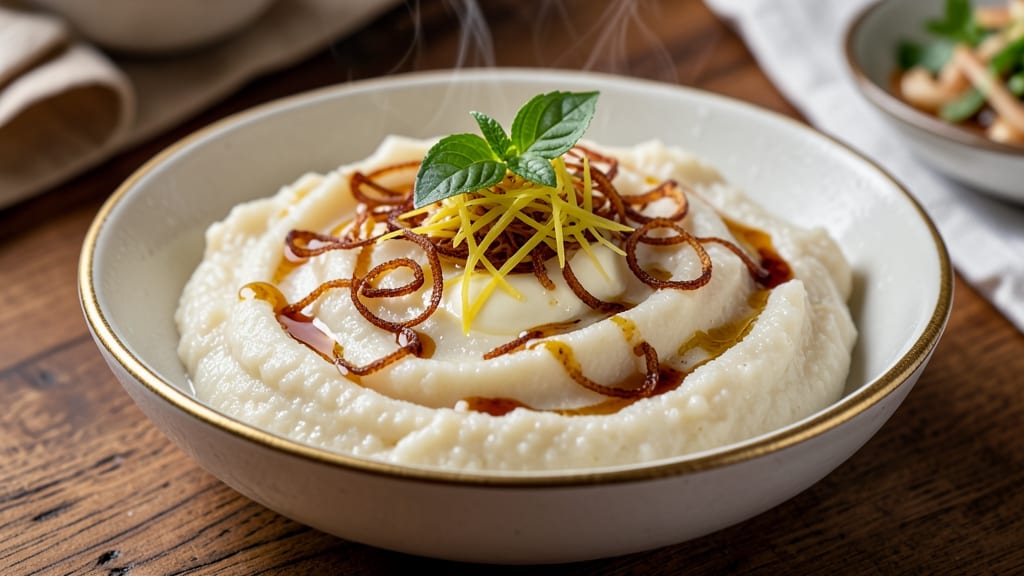
This Asian mashed potato recipe transforms a classic comfort food into something bold and aromatic, blending creamy texture with fragrant ginger, garlic, and a touch of umami. 🌟 The secret lies in infusing the potatoes with a savory broth during cooking, then finishing with a velvety blend of butter, cream, and toasted sesame oil.
It’s the perfect fusion of Western creaminess and East Asian depth—rich, flavorful, and impossible to resist.
What sets these mashed potatoes apart is the layered seasoning: fresh ginger and garlic simmered in the cooking liquid, which melds into the potatoes for a fragrant, almost spiced depth. A splash of soy sauce adds umami, while a final touch of toasted sesame oil elevates the dish to restaurant-quality.
The result is a side dish that’s as satisfying as it is elegant, ideal for pairing with grilled meats or stir-fried vegetables.
This recipe is designed for simplicity without sacrificing flavor—just a few key ingredients and a straightforward method. The potatoes cook until tender, then blend into a silky, fragrant mash that’s both comforting and exciting.
Whether you’re serving it at a holiday dinner or a weeknight meal, these mashed potatoes will steal the show with their vibrant flavors and velvety texture.
The best part? Customization is effortless. Top with crispy fried shallots, chopped scallions, or a sprinkle of furikake for extra crunch and color. The recipe scales perfectly for crowds, and leftovers reheat beautifully, making it a go-to for any occasion. Ready to elevate your mashed potatoes?
Ingredients for asian mashed potato
Simple ingredients transform into fragrant, restaurant-quality Asian-inspired mashed potatoes.
| Ingredient | Amount | Notes |
|---|---|---|
| Russet Potatoes 🥔 | 3 lb | Cut into 2-inch chunks, peeled |
| Fresh Ginger 🌿 | 2 tbsp | Finely grated, aromatic |
| Garlic Cloves 🧄 | 6 cloves | Minced, for aromatic depth |
| Vegetable Broth 💧 | 3 cups | Low-sodium preferred |
| Unsalted Butter 🧈 | ½ cup | Cold, for velvety texture |
| Heavy Cream 🥛 | ½ cup | Full-fat for richness |
| Toasted Sesame Oil 🫒 | 1 tbsp | For authentic aroma |
| Soy Sauce 🍶 | 1 tbsp | For umami depth |
| Salt 🧂 | 1 ½ tsp | Adjust to taste |
| Ground Black Pepper 🌶️ | ½ tsp | Freshly ground preferred |
| Scallions 🧅 | 3 whole | Chopped, for garnish |
| Sesame Seeds 🌾 | 1 tbsp | Toasted, for crunch |
The potatoes are the foundation—Russet potatoes break down beautifully for that silky texture. Look for firm, unblemished tubers with smooth skin. For extra flavor, simmer the ginger and garlic in the broth first—this infuses the cooking liquid with aromatic depth. Trader Joe's or Whole Foods carry excellent organic Russets if you want to splurge. The broth should be low-sodium; you'll control the seasoning later. Don't skip peeling—it ensures a smoother mash. If you're short on time, you can use baby potatoes (halved), but they won't yield as much.
No fresh ginger? Powdered ginger at half the amount works in a pinch, though fresh delivers that vibrant kick. Substitute garlic powder for the minced cloves (use one-third the amount), but fresh garlic is non-negotiable for authentic flavor. For the soy sauce, tamari is a great gluten-free alternative. The sesame oil should be toasted—Kadoya or La Choy are reliable brands. If you're avoiding dairy, replace the butter with an equal amount of vegan butter or coconut oil, though the texture will be slightly lighter. The heavy cream can be swapped for coconut cream for a dairy-free version, though the flavor will differ.
These mashed potatoes reheat beautifully—just warm with a splash of broth or milk. Store leftovers in an airtight container for up to 5 days in the fridge. For longer storage, freeze portions for up to 3 months. The best part? They taste even better the next day as the flavors meld. Garnish with crispy fried shallots or furikake for extra crunch and color. Make a double batch—they disappear fast at gatherings. If you're prepping ahead, cook the potatoes in advance, then reheat in the broth before mashing to maintain texture.
Why You'll Love This Recipe
- No Chopping Nightmare: I swear by this recipe because you only need to peel and boil potatoes—no mincing garlic like a madman or grating ginger until your fingers go numb. Just rough-chop the ginger and smash a few cloves, then let the heat do the work. That’s it.
- Umami Bomb: The combo of fresh ginger, garlic, and vegetable broth turns this into something way beyond basic mashed potatoes. It’s got that bright, zesty kick from the ginger and a deep savory punch from the broth—like a hug for your taste buds, but better than actual hugs (no judgment).
- Leftover Hero: These potatoes taste just as good reheated as they do fresh, which means I can make a big batch on Sunday and still have something satisfying for lunch all week. Just pop them in the microwave with a splash of water, and boom—dinner’s sorted.
- Budget Magic: Russets and butter are cheap, and a little goes a long way. This recipe stretches easily for a crowd, and the ginger and garlic add serious flavor without breaking the bank. Honestly, it’s the kind of dish that makes me feel fancy without emptying my wallet.
Step-by-step instructions for fragrant ginger-garlic creamy mashed potatoes
This method transforms simple potatoes into a luxurious, aromatic dish with layers of flavor.
🍳 Step 1: Boil Potatoes Until Fork-Tender
Place the 3 lb Russet Potatoes (cut into 2-inch chunks) in a large pot and cover with cold water by about 2 inches. Add 1.5 tsp Salt and bring to a rolling boil over high heat. Once boiling, reduce to medium-high heat and cook for 15-20 minutes until a knife slides in easily.
Drain the potatoes thoroughly in a colander, shaking to remove excess water. The potatoes should be completely dry before mashing—this prevents a watery texture. If they feel damp, return them to the pot over low heat for 1-2 minutes to evaporate any remaining moisture. I like to press them gently with a wooden spoon to speed up the process.
👨🍳 Step 2: Sauté Aromatics in Toasted Sesame Oil
While the potatoes cook, heat 1 tbsp Toasted Sesame Oil in a large skillet over medium heat. Add the 6 cloves Garlic Cloves (minced) and 2 tbsp Fresh Ginger (finely grated) and sauté for 2-3 minutes until the garlic turns light golden and the ginger becomes fragrant. Be careful not to burn the garlic—it should smell sweet and nutty, not bitter.
Remove the skillet from heat and set aside. This aromatic base will infuse the potatoes with deep, complex flavors. If you're worried about burning, reduce the heat to low once the garlic starts to color. The goal is to build flavor, not color, at this stage.
🥘 Step 3: Create the Creamy Base
In the same skillet (don't wipe it clean—the browned bits add flavor), melt the 0.5 cup Unsalted Butter over medium heat until foamy. Pour in the 3 cups Vegetable Broth and 1 tbsp Soy Sauce, then bring to a gentle simmer. Let it reduce by half—about 5-7 minutes—until it thickens slightly and coats the back of a spoon.
This reduction creates a concentrated flavor base that prevents the mashed potatoes from being watery. If the mixture reduces too quickly, lower the heat to medium-low and stir occasionally. The sauce should be glossy and slightly syrupy when ready. Here's where the umami depth comes from—don't skip this step.
🍳 Step 4: Mash Potatoes with Cream and Seasonings
Return the drained potatoes to the pot and add the 0.5 cup Heavy Cream, 0.5 tsp Ground Black Pepper, and the reduced broth mixture. Using a potato masher or ricer, mash until smooth but with some texture—this prevents the potatoes from becoming gluey. For extra creaminess, I like to press the potatoes through a ricer directly into the warm broth mixture.
If the mixture seems too thick, add 1-2 tablespoons of warm broth at a time until you reach a velvety consistency. The key is balance—creamy enough to coat a spoon but not so thin it loses its body. Taste and adjust seasoning with additional salt or soy sauce if needed. This is where you can really customize the flavor profile.
🍽️ Step 5: Finish and Garnish
Transfer the mashed potatoes to a serving bowl and stir in the sautéed garlic-ginger mixture. Gently fold until evenly distributed. The potatoes should be smooth, creamy, and fragrant with bright ginger and garlic notes. For extra richness, I like to dot the top with small pieces of the 0.5 cup Unsalted Butter and let them melt into the potatoes.
Garnish with chopped scallions and toasted sesame seeds just before serving. The sesame seeds add a delightful crunch that contrasts beautifully with the creamy texture. Serve immediately while warm—this dish tastes best fresh out of the pot, with all the aromatics still vibrant.
Pro Tips For Making Asian Mashed Potato
- BOIL POTATOES UNTIL FORK-TENDER: Russets need to break down completely—test with a fork at 15 minutes. If they’re still firm, they’ll turn gluey when mashed. I learned this the hard way after making a lumpy batch because I rushed.
- PEEL GINGER LIKE A PRO: Use a spoon to scrape off the skin in one smooth motion—no peeling with a knife, which bruises the ginger and makes it bitter. Fresh ginger should be pale yellow inside, not brown or fibrous.
- SAVE THE STARCHY WATER: Don’t drain the potatoes completely—leave ½ cup of the starchy cooking water in the pot. It’s the secret to creamy texture without needing extra butter, and it balances the ginger’s sharpness.
- GARLIC: TOAST IT FIRST: Sauté minced garlic in butter for 30 seconds until fragrant but not browned—this removes raw bitterness and deepens the flavor. Skip this, and the dish will taste underwhelming, even with fresh ginger.
Troubleshooting this dish
Potatoes Too Dry
If your mashed potatoes turn out dry and crumbly, it’s usually from over-draining or insufficient cream/butter. First, ensure you’re draining the potatoes thoroughly but not pressing out all the moisture—keep them slightly damp. For extra creaminess, add 1-2 tablespoons of warm milk or broth at a time while mashing.
I’ve also found that using a ricer instead of a masher traps more moisture and creates a smoother texture. If all else fails, stir in a dollop of Greek yogurt or sour cream for richness. 💧
Lacking Flavor
The key to vibrant flavor is infusing the broth with aromatics. If your mashed potatoes taste bland, start by simmering the ginger, garlic, and soy sauce in the broth for 5 minutes before cooking the potatoes.
For an extra umami boost, add 1 tsp fish sauce or ½ tsp miso paste to the broth. Freshly toasted sesame oil (not the regular kind) adds depth—heat it gently to release its aroma.
Taste as you go and adjust with extra soy sauce, black pepper, or a pinch of sugar to balance flavors.
Grainy Texture
Graininess happens when potatoes aren’t cooked long enough or are mashed improperly. Always cook the potatoes until fork-tender—15-20 minutes in boiling water. For the smoothest texture, press them through a ricer or use a food mill.
If you’re using a masher, work in batches and fold in the cream gradually. Avoid overworking the potatoes, which can break down the starches and make them gluey. For a silky finish, stir in the warm broth mixture slowly while mashing. 🥔
Watery Consistency
Watery mashed potatoes usually mean the potatoes weren’t drained well or too much liquid was added. After boiling, drain the potatoes in a colander and let them sit for 1 minute to steam-dry.
If they’re still damp, return them to the pot over low heat for 1-2 minutes to evaporate excess moisture. When mashing, start with just the cream and butter, then add broth sparingly—1 tablespoon at a time.
For extra insurance, place the mashed potatoes in a sieve and press out excess liquid before serving.
Burnt Garlic/Ginger
Burnt aromatics can make your mashed potatoes bitter. To avoid this, sauté the ginger and garlic in sesame oil over medium-low heat until fragrant but not browned—about 2-3 minutes. Remove the pan from heat as soon as the garlic turns pale gold.
If you’re worried, keep the heat at low and stir constantly. For a deeper flavor without burning, try infusing the broth with the aromatics by simmering them together for 5 minutes before straining. This method ensures flavor without risking bitterness. 🌿
Reheating Issues
Mashed potatoes can turn gluey or dry when reheated. To fix this, store them in an airtight container and reheat gently. For the stovetop, warm over low heat with 1-2 tablespoons of milk or broth per cup of potatoes, stirring constantly.
If they’re too thick, add a splash of warm water. For the microwave, cover with a damp paper towel and heat in 30-second intervals, stirring between each. The key is moisture—never let them dry out. For best results, reheat only what you plan to serve immediately. 🔥
Nutrition facts
Frequently asked questions
Can I make this recipe with sweet potatoes?
Yes, but the texture and flavor will differ slightly. Sweet potatoes have a natural sweetness and denser texture, so they’ll yield a thicker mash. For best results, roast them first at 400°F for 25 minutes until tender, then proceed with the recipe. Reduce the broth by 1 cup since sweet potatoes release less moisture. The ginger-garlic flavor will still shine through, but expect a deeper orange hue and heartier consistency.
How can I make this vegan?
Swap the butter for vegan butter or coconut oil and use coconut cream instead of heavy cream. For umami depth, add 1 tbsp nutritional yeast or ½ tsp miso paste to the broth. Toasted sesame oil remains a great flavor enhancer. The texture will be slightly lighter but still creamy. Garnish with sesame seeds and scallions as usual for color and crunch.
What’s the best way to store leftovers?
Store in an airtight container in the fridge for up to 5 days. For reheating, warm gently on the stovetop with 1-2 tbsp of milk or broth per cup of potatoes, stirring constantly over low heat. Avoid microwaving—it can make them gluey. For longer storage, freeze portions for 3 months. Thaw overnight in the fridge before reheating. The flavors actually improve after the first day as they meld!
Can I use instant mashed potatoes?
Not recommended for this recipe—they lack the starchy base needed for the creamy texture. However, if you’re short on time, use 1.5 cups of instant potatoes (prepared according to package) and mix with ½ cup of the reduced broth mixture. Add extra cream and butter to compensate for the lighter texture. For best results, stick with fresh potatoes—they yield a silkier, more flavorful mash.
What’s the secret to extra creamy texture?
The key is threefold: 1) Don’t over-drain the potatoes—shake them in a colander for 1 minute to steam-dry. 2) Use cold butter when mashing—it emulsifies better. 3) Work in batches if needed, folding in warm broth gradually. For restaurant-style creaminess, stir in 2 tbsp of sour cream or Greek yogurt at the end. The ricer method also traps moisture beautifully!