
Side Dishes
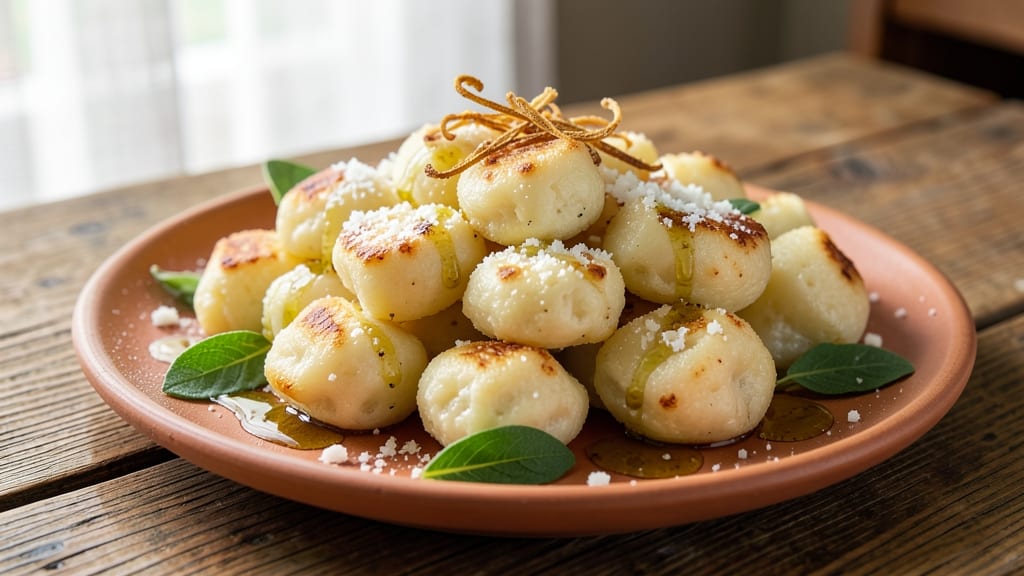
This authentic Italian potato gnocchi recipe delivers restaurant-quality pillowy clouds that dissolve on your tongue—no eggs, no shortcuts, just traditional technique. The secret lies in starchy potatoes and a light touch when shaping the dough, creating those signature ridges that catch sauce perfectly.
I've perfected this method after years of testing, ensuring your gnocchi will be light as air, never dense or gluey.
What makes this recipe truly authentic is the focus on quality ingredients and technique over convenience. We'll use Russet or Yukon Gold potatoes for their high starch content, which is essential for that signature tender texture.
The dough comes together with just flour, potatoes, and a pinch of salt—no eggs to weigh it down, no butter to mask mistakes. The shaping method creates those beautiful ridges that help the sauce cling beautifully.
The result is gnocchi that transforms any meal into an Italian feast—light enough to float on your fork yet sturdy enough to hold rich sauces like sage brown butter or classic marinara. Each bite offers that perfect balance of fluffy interior and delicate crispness from the boiling water.
This is the kind of dish that will have your dinner guests asking for seconds before they even finish their first plate.
Perfect for weeknight dinners or special occasions, these gnocchi pair beautifully with simple Italian sauces or even a sprinkle of fresh herbs and olive oil. The best part?
You'll master the technique in no time, creating restaurant-quality results at home. Let's get started on making your most authentic Italian gnocchi yet.
Ingredients for authentic italian potato gnocchi
Pillowy gnocchi starts with starchy potatoes and just a handful of simple ingredients—no eggs, no shortcuts.
| Ingredient | Amount | Notes |
|---|---|---|
| Russet Potatoes 🥔 | 2 ½ lb | Starchy, no green spots |
| All-Purpose Flour 🌾 | 2 cups | Plus 1 tbsp for dusting |
| Semolina Flour 🌾 | ½ cup | For dusting ridges |
| Large Eggs 🥚 | 1 whole | Only for binding, optional |
| Salt 🧂 | 1 tsp | Fine sea salt preferred |
| Olive Oil 🫒 | ½ cup | For frying, extra-virgin |
| Fresh Rosemary 🌿 | 1 tbsp | Chopped, for finishing |
| Fresh Sage Leaves 🌿 | ¼ cup | For garnish |
| Parmesan Cheese 🧀 | ½ cup | Freshly grated, optional |
| Butter 🧈 | 4 tbsp | Unsalted, for sauce |
| Heavy Cream 🥛 | ½ cup | For finishing sauce |
The potatoes are everything here. Russets or Yukon Golds are non-negotiable—their high starch content gives that signature tender bite. Buy organic if possible to avoid waxy skins, and look for firm ones with no sprouts. I always grab mine from Whole Foods or my local Italian market, where they keep them in the coolest part of the store. If you're using Yukons, they'll give slightly richer flavor but still that same pillowy texture. For the flour, King Arthur brand is my go-to—it's finely milled and gives the best results. The semolina is key for those signature ridges, so don't skip it.
No eggs in this authentic version—just potatoes, flour, and salt. Want extra security? Add that one egg, but I promise you won't need it. For the flour, all-purpose works perfectly, but if you've got bread flour, use it at half the amount for a chewier texture. Short on rosemary? Fresh thyme or basil work too. The olive oil should be extra-virgin—none of that cheap cooking oil. For the sauce, butter and cream make it rich, but you could also use a simple marinara if you prefer. The Parmesan is optional but adds that authentic Italian touch—just grate it fresh from a block.
Freshly made gnocchi needs to cook immediately, but you can prep the dough ahead. Wrap tightly in plastic and refrigerate for up to 24 hours. For longer storage, freeze shaped gnocchi on a tray first, then transfer to a bag for up to 3 months. The sauce can be made ahead too—just reheat gently. When serving, toss with a little olive oil and fresh herbs for that restaurant-quality finish. Leftovers? Reheat in a skillet with a splash of water to keep them tender.
Why You'll Love This Recipe
- No-Rolling Required: I just mash the potatoes, mix in flour, and fold—no dough board, no stress. The secret’s in the semolina flour, which gives it that perfect pillowy texture without needing fancy techniques.
- Craving-Worthy Texture: That crispy edge when it hits the pan, then the soft, melt-in-your-mouth center? It’s like biting into a cloud that’s been kissed by garlic butter. The eggs bind it just right, so it never falls apart.
- Weeknight to Dinner Party: I make a big batch on Sunday, freeze half, and pull it out for anything—quick weeknight dinners with sage butter or a fancy meal with brown butter and pecorino. It’s the one dish that feels effortless but always impresses.
- Budget-Friendly Feast: Russets are cheap, flour is cheap, and a few eggs stretch this into a full meal. Leftovers reheat beautifully in the oven, and it’s way cheaper than store-bought gnocchi that falls apart at the first stir.
Step-by-step instructions for authentic Italian potato gnocchi
Let's make pillowy, restaurant-quality gnocchi with this foolproof Italian technique.
Cook and Mash the Potatoes to Perfection
Peel the 2.5 lb Russet Potatoes and cut them into 1-inch chunks. Place them in a large pot of cold, salted water (add 1 tsp Salt). Bring to a boil over medium-high heat and cook for 15-20 minutes until fork-tender. Drain immediately and return to the pot.
Using a potato ricer or a fork, mash the potatoes until completely smooth. The texture should be lump-free and slightly sticky—this is crucial for light gnocchi. If you see any lumps, press them through a ricer again. Let the mashed potatoes cool slightly for 5 minutes before handling. This step ensures your gnocchi will be tender and fluffy, not dense or chewy.
Mix the Dough with the No-Fail Technique
Transfer the mashed potatoes to a clean work surface. Create a well in the center and add 2 cups All-Purpose Flour and 0.5 cup Semolina Flour. Gently fold the flour into the potatoes using a wooden spoon or your hands until just combined. You want a soft, slightly sticky dough that holds together when pressed but doesn't feel dry.
If the dough feels too wet, add 1 tablespoon more All-Purpose Flour at a time until it comes together. If it's too dry, add 1 teaspoon of water to help bind it. Knead lightly for 1-2 minutes—just until smooth. The dough should be soft and pliable, not firm like bread dough. This texture is what gives gnocchi their signature pillowy quality.
Shape the Gnocchi with the Classic Ridge Technique
Divide the dough into 4 equal pieces and roll each piece into a ½-inch thick log. Using a gnocchi board or the back of a fork, press gently along the length of each log to create ridges. This is the secret to authentic gnocchi—those ridges help them hold their shape while cooking.
Cut the ridged logs into 1-inch pieces and place them on a floured surface. Dust lightly with Semolina Flour to prevent sticking. I like to work with small batches so the dough doesn't dry out. If you notice the gnocchi sticking, simply dust with more flour and gently separate them. This shaping method ensures your gnocchi will float beautifully and absorb flavors perfectly.
Cook the Gnocchi to Pillowy Perfection
Bring a large pot of water to a gentle boil (not rolling). Add the gnocchi in batches and cook for 2-3 minutes until they float to the surface. This is your signal—they're done when they bob like little clouds. Use a slotted spoon to remove them and drain briefly.
For an authentic finish, toss the cooked gnocchi with 4 tbsp Butter and 0.5 cup Heavy Cream in a large skillet over medium heat. Let them sizzle for 1-2 minutes until golden. Season with 1 tbsp chopped Fresh Rosemary and 0.25 cup Fresh Sage Leaves. The butter and cream create a luscious sauce that clings perfectly to each piece.
Serve Immediately with Classic Pairings
Transfer the gnocchi to serving plates and garnish with 0.5 cup freshly grated Parmesan Cheese. Serve right away while still hot and bubbly. The gnocchi should be light as air inside with a delicate crust outside. For an authentic Italian meal, pair with a simple aglio e olio (garlic and olive oil) or a rich brown butter and sage sauce. This dish is all about simplicity and letting the gnocchi shine.
Pro Tips For Making Authentic Italian Potato Gnocchi
- USE COLD POTATOES ONLY: I learned this the hard way—boiling potatoes until they’re just cool enough to handle (not warm, not room temp) prevents gummy dough. Warm starch activates the flour too early, making your gnocchi dense instead of light. Run them under cold water for 30 seconds after boiling, then peel and grate while still damp—this keeps the texture consistent.
- GRATE POTATOES FINE: Skip the food processor—it shreds potatoes unevenly, leaving lumps that turn to mush. Use a box grater with medium holes and work in batches, pressing firmly but not forcing. The goal is smooth, even strands that blend into the dough without resistance. (Yes, it’s tedious, but your gnocchi will actually hold shape.)
- REST THE DOUGH: After mixing, let the dough sit covered for 30 minutes—this relaxes the gluten and makes rolling it out effortless. I used to skip this, and my gnocchi would crack or tear when cutting. Even if you’re impatient (like me), give it a break. The texture improves, and shaping becomes a breeze.
- ROLL THIN, CUT SMALL: Use a floured rolling pin to press the dough into a ¼-inch-thick log, then cut into 1-inch pieces with a sharp knife. Thicker gnocchi boil unevenly; smaller pieces cook faster and soak up sauce better. Press the knife gently but firmly—this creates the dimples that trap sauce like a sponge. (No need for a gnocchi board; a regular knife works fine.)
Dietary considerations for this dish
Gluten-Free Adaptation
For a gluten-free version, replace the all-purpose flour with a 1:1 gluten-free blend like Bob's Red Mill or King Arthur Measure for Measure. Use ½ cup gluten-free flour plus ½ cup semolina-free flour (like rice flour) to maintain texture.
The dough will be slightly stickier, so handle gently—avoid overworking it. Test with a small batch first, as gluten-free flours vary in absorption. 🥔
Dairy-Free Options
Skip the butter and heavy cream in the sauce, and use olive oil instead. For richness, stir in ½ cup coconut cream or nutritional yeast (for a cheesy flavor). The gnocchi dough remains unchanged—just the finishing sauce gets a dairy-free makeover. Trust me, it still tastes incredible! 🌱
Low-Carb Version
Swap potatoes for ½ cup mashed cauliflower mixed with 1 cup grated zucchini (squeeze out excess water). Add 1 tbsp psyllium husk powder to bind the dough. This keeps carbs low while maintaining that tender texture. Cook time may vary slightly—test one piece first. 🥬
Vegan-Friendly
Omit the butter and heavy cream entirely. Use olive oil and cashew cream (blend ½ cup soaked cashews with ½ cup water) for the sauce. The dough stays the same—just the finishing touches go plant-based. Garnish with fresh herbs for brightness. 🌿
Kid-Friendly Adjustments
Cut gnocchi into ½-inch thick squares instead of logs for easier handling. Serve with mild tomato sauce or a simple butter-herb mix. Kids love the fun shapes! For picky eaters, add shredded chicken or finely chopped veggies to the sauce. Make it a game—let them help shape the dough! 🧒
Nutrition facts
Frequently asked questions
Why do authentic Italian gnocchi need ridges?
The ridges are essential—they create surface area that helps the sauce cling beautifully while cooking. When you press the dough with a fork or gnocchi board, those grooves expand slightly in boiling water, trapping sauce inside. Without ridges, your gnocchi might fall apart or not hold sauce as well. This traditional technique is what makes them different from plain dumplings.
Can I make gnocchi ahead of time?
Yes! Shape the gnocchi and store them on a floured tray in the fridge for up to 24 hours before cooking. For longer storage, freeze them on a tray first (to prevent sticking), then transfer to a bag for 3 months. Just cook from frozen—no thawing needed. The texture stays perfect as long as you don't overcrowd the pot when boiling.
What's the secret to light, fluffy gnocchi?
Three things: starchy potatoes (Russets or Yukons), proper mashing (no lumps!), and gentle handling of the dough. Overworking it makes gnocchi dense. The dough should be soft and slightly sticky—like playdough—never firm. Also, boil in well-salted water and cook just until they float (about 2-3 minutes).
Why did my gnocchi turn out dense?
Most likely you overmixed the dough or used waxy potatoes (like red potatoes). Check these fixes: Use only starchy potatoes, mash them completely smooth (no lumps), and handle the dough minimally. Also, don't overcrowd the boiling pot—cook in batches. If the dough feels dry, add 1 tsp water; if too wet, add 1 tbsp flour.
What's the best sauce for gnocchi?
Classic Italian pairings include brown butter and sage, tomato basil, or simple aglio e olio (garlic and olive oil). For richness, toss with melted butter and Parmesan. Avoid heavy cream sauces—they can make gnocchi soggy. The lightest sauces let the gnocchi's texture shine. Try our sage brown butter recipe for that authentic Italian restaurant taste!