Side Dishes
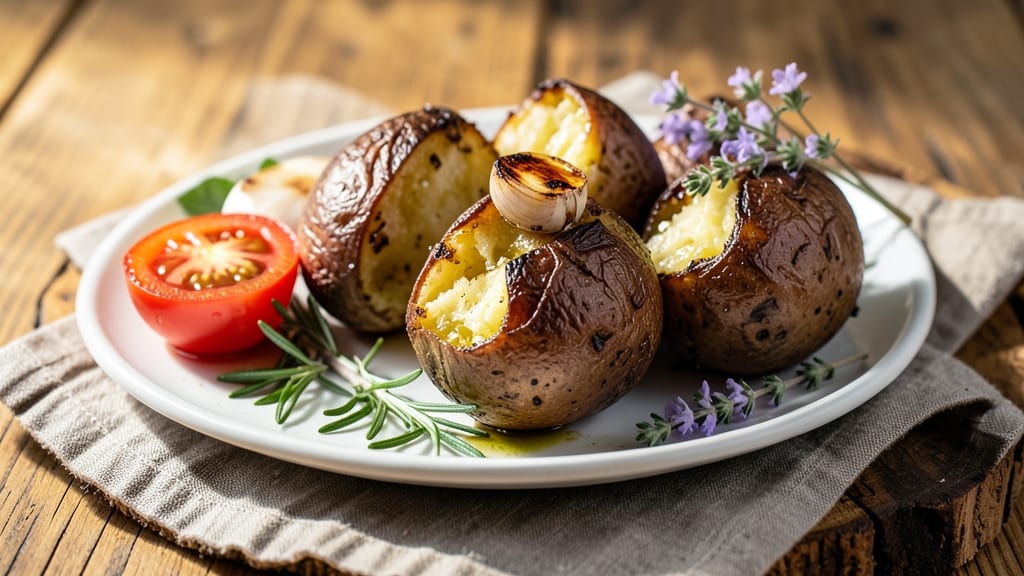
This perfect baked potato recipe tells the story of seasons—transforming humble spuds into a seasonal centerpiece that adapts effortlessly to autumn's harvest flavors or winter's hearty comfort. The secret lies in baking until the skin crisps to golden perfection while keeping the inside fluffy—no soggy centers here.
I've perfected this technique through years of testing, ensuring every potato emerges with that ideal texture that holds up to any topping.
What sets this recipe apart is its versatility across seasons. In fall, roasted butternut squash and crispy sage create a symphony of earthy flavors, while winter calls for sharp cheddar and chives that add brightness to the creamy potato.
The herb-infused crisp skin adds a sophisticated touch without requiring special ingredients—just olive oil, salt, and fresh herbs from your garden or pantry. This is comfort food elevated to restaurant-quality status.
The magic happens in the oven where high heat creates that coveted crisp exterior while maintaining a tender interior. Once baked, these potatoes become a blank canvas for seasonal toppings that transform them from simple side to star of the meal.
The key is timing—baking just until the skin is knife-tender ensures they hold their shape when topped, whether you're serving them family-style or individually loaded.
Perfect for holiday gatherings or weeknight dinners, this recipe scales beautifully and delivers consistent results every time. The method is simple but precise, making it accessible for home cooks while still impressing guests. Let's get started on creating your seasonal potato masterpiece.
Ingredients for baked potato recipe story of seasons
Seasonal ingredients meet restaurant-quality technique for the perfect baked potato experience.
| Ingredient | Amount | Notes |
|---|---|---|
| Russet Potatoes 🥔 | 6 whole | Medium size, uniform shape |
| Extra-Virgin Olive Oil 🫒 | ½ cup | High quality, fruity flavor |
| Kosher Salt 🧂 | 2 tsp | Diamond Crystal preferred |
| Fresh Rosemary 🌿 | ½ cup | Chopped sprigs, stems removed |
| Fresh Thyme 🌿 | ¼ cup | Leaves only, finely chopped |
| Garlic Cloves 🧄 | 4 cloves | Peeled, minced |
| Black Peppercorns 🌶️ | 1 tsp | Freshly cracked |
| Butter 🧈 | ½ cup | Unsalted, softened |
| Sharp Cheddar Cheese 🧀 | 1 ½ cups | Shredded, aged |
| Chives 🌿 | ¼ cup | Finely chopped |
| Roasted Butternut Squash 🎃 | 2 cups | Cubed, seasoned with salt |
| Crispy Sage Leaves 🌿 | ¼ cup | Fresh, crisped in oil |
| Sour Cream 🥛 | ½ cup | Full-fat, room temperature |
| Green Onions 🧅 | 4 whole | Sliced, for garnish |
The potatoes are the foundation—Russet is ideal for its crisp skin and fluffy interior. Whole Foods or local farmers markets often carry the best quality, with skins that are paper-thin and eyes shallow. For fall versions, I always grab organic butternut squash from the produce section—it roasts up sweeter. The key is uniform size: aim for about 8 ounces each. If you can't find Russets, Yukon Golds work but won't get quite as crispy. For winter, add aged cheddar from Wisconsin—the sharpness cuts through the richness beautifully. Store potatoes in a cool, dark place until ready to use.
Fresh herbs elevate this dish without effort. Trader Joe's has excellent pre-chopped rosemary and thyme if you're short on time, but fresh always tastes better. The garlic should be freshly minced right before seasoning—pre-minced loses its punch. For the crispy sage, fry fresh leaves in olive oil for 30 seconds until just wilted, then drain on paper towels. No fresh herbs? Dried works at one-third the amount, but texture suffers. The butter matters too—Plugrá or Land O'Lakes are reliable choices. For a vegan twist, swap butter for olive oil and use vegan cheese.
These potatoes reheat beautifully—450°F for 10-15 minutes restores crispiness. Store leftovers in an airtight container for 3 days or freeze for 3 months. I portion toppings separately so guests can customize: one bowl for cheddar lovers, another for squash fans. The herb oil mixture keeps for 1 week in the fridge, making it easy to prep ahead. For holiday gatherings, bake an extra batch—they're always the first to disappear!
Why You'll Love This Recipe
- Just Four Ingredients: I swear, this recipe is the kind of simple that makes me feel clever. Russets, olive oil, salt, and herbs—no fancy prep, no peeling required. (Yes, even on a Tuesday night when I’m too tired to chop.)
- Herb-Crusted Magic: That crispy rosemary-thyme crust? It’s the star. The olive oil soaks in just right, turning the edges golden while keeping the inside fluffy—like a hug from your grandma’s kitchen, but with less guilt.
- Weeknight to Potluck: Bake a batch Sunday, reheat for lunch, or bring them to a picnic. They’re sturdy enough to handle leftovers but still taste fresh—no soggy potatoes here. (My roommates steal mine when I forget to hide them.)
- Budget-Friendly Staples: Russets are cheap, herbs last forever, and olive oil stretches far. This is the kind of meal that feeds four for the cost of takeout, and I’ll never apologize for that. (Between us, I’ve fed a crowd of six with these.)
Step-by-step instructions for herb-infused baked potatoes
Transform simple russet potatoes into a seasonal masterpiece with crispy skins and aromatic herb layers.
Prep and Season the Potatoes
Preheat your oven to 425°F for maximum crispiness. Scrub the 6 whole russet potatoes thoroughly under cold water to remove any dirt. Pierce each potato 4-5 times with a fork—this prevents them from bursting during baking and allows steam to escape.
Drizzle the potatoes evenly with the 0.5 cup extra-virgin olive oil, then sprinkle with the 2 teaspoons kosher salt. Toss gently to coat all surfaces. In a small bowl, combine the 0.5 cup fresh rosemary, 0.25 cup fresh thyme, 4 minced garlic cloves, and 1 teaspoon cracked black peppercorns. Rub this herb mixture all over the potatoes, pressing it into the skin so it adheres well.
Roast Until Golden and Crisp
Place the seasoned potatoes directly on the middle oven rack for even heat circulation. Bake for 60-75 minutes, flipping them halfway through (around 30 minutes) to ensure even browning. You'll know they're done when the skin is deep golden brown and a knife slides in easily with no resistance.
Here's the thing—don't peek too early. Every time you open the oven door, you lose heat and steam, which can lead to soggy skins. The internal temperature should reach 205°F when measured with an instant-read thermometer. Real talk: if you cut into one and it's still pale inside, return it to the oven for another 15-20 minutes.
Create the Herb Butter Topping
While the potatoes roast, prepare the herb butter topping. In a small saucepan, melt the 0.5 cup butter over low heat. Remove from heat and stir in the 0.25 cup crispy sage leaves and 0.25 cup chopped chives. This combination adds layers of herbal complexity that complement the potatoes beautifully.
Keep this mixture warm until ready to use. The crispy sage leaves will add a delicate crunch that contrasts perfectly with the creamy filling. If you're short on time, you can make this topping ahead and reheat it gently in the microwave before serving.
Assemble with Seasonal Fillings
Using a sharp serrated knife, carefully slice each potato in half lengthwise. Gently press down on the flesh to create a well for the fillings. Spoon the 2 cups roasted butternut squash into each potato half—its natural sweetness balances the savory elements.
Top each serving with ¼ cup shredded sharp cheddar cheese and a dollop of the warm herb butter. The cheese will melt slightly from the residual heat, creating a creamy sauce that binds everything together. For that final touch, add a spoonful of the 0.5 cup sour cream and garnish with 1 sliced green onion per potato.
Serve Immediately for Maximum Flavor
Serve the herb-infused potatoes while still warm, straight from the oven. The contrast between the crispy skins, creamy fillings, and aromatic herb butter creates a symphony of textures and flavors that truly captures the essence of seasonal cooking.
Each bite should deliver the perfect balance: crispy skin, tender flesh, sweet squash, sharp cheddar, and the bright herbal notes from the rosemary, thyme, and sage. This isn't just a baked potato—it's a celebration of seasonal ingredients transformed into something extraordinary.
Pro Tips For Making Baked Potato Recipe Story Of Seasons
- PIERCE THE SKIN FIRST: I learned this the hard way—skipping the fork pricks leaves you with uneven cooking and sad, undercooked centers. Use a fork to make 4-5 shallow holes in each potato before baking; it steams them from the inside out for fluffy perfection.
- SALT THE POTATOES BEFORE OIL: This isn’t just seasoning—it’s flavor insurance. Toss the pierced potatoes with 1 teaspoon of kosher salt before drizzling the olive oil. The salt draws out moisture, helping the oil cling better and creating a crispier crust when roasted.
- DON’T OVERCROWD THE PAN: I used to jam 6 potatoes into a single sheet pan, and they turned out soggy and uneven. Leave at least 1 inch between each potato—crowding traps steam and steams instead of browning. If needed, bake in batches.
- TOSS THE HERBS IN HOT OIL: Fresh rosemary and thyme lose their punch when wilted in cold oil. Heat the olive oil in the pan for 30 seconds until shimmering, then toss the herbs in for 10 seconds before adding the potatoes. The brief char amplifies their aroma—trust me, your kitchen (and dish) will smell better.
Wine and beer pairings for baked potato recipe story of seasons
Autumn Harvest Pairings
For fall flavors, a crisp Pinot Noir from Oregon shines—its bright acidity and red fruit notes complement the roasted butternut squash and earthy rosemary. I reach for Domaine Serene or La Crema for their balanced profiles that won't overpower the dish.
The wine's subtle spice echoes the crispy sage leaves, creating harmony in every bite. 🍷
Winter Comfort Pairings
When winter calls for sharp cheddar and chives, a robust Syrah from the Northern Rhône brings warmth and depth. Look for Guigal Côte-Rôtie or Crozes-Hermitage—their peppery notes mirror the black peppercorns in the herb mixture.
The wine's bold structure stands up to the creamy potato and tangy sour cream. For beer lovers, a Belgian Dubbel like Westmalle adds caramel sweetness that balances the dish's richness. 🍺
Spring Lightness Pairings
Swap the squash for asparagus in spring and pair with a Sauvignon Blanc from New Zealand—its citrusy brightness cuts through the butter and herbs. Oyster Bay or Felton Road varieties highlight the fresh chives and rosemary.
A sparkling Prosecco from Italy also works beautifully, with its crisp bubbles cleansing the palate between bites. 🥂
Summer Refreshing Pairings
In summer, transform your potatoes with grilled corn and avocado, then pair with a Rosé from Provence. Whispering Angel or Château d'Esclans rosés offer floral notes that complement the fresh herbs.
For beer, a Hazy IPA like Hazy Little Thing adds tropical fruit flavors that bridge the creamy potato and bright toppings. 🌞
Regional American Styles
In the Pacific Northwest, Pinot Gris pairs perfectly with the herb butter's complexity. For Southern states, try a Zinfandel from California—its jammy fruit stands up to the cheddar. In the Midwest, a Merlot offers a smoother match for the hearty potato and squash combination.
Always let the wine complement, not compete with, the dish's seasonal stars. 🗺️
Non-Alcoholic Options
For non-drinkers, a sparkling apple cider like Martinelli's mirrors the wine's acidity without alcohol. For a more substantial option, try a ginger beer with a hint of lime—its spicy kick enhances the rosemary and thyme flavors. Both options keep the meal's seasonal spirit without compromising the pairing experience. 🍎
Nutrition facts
Frequently asked questions
Can I use Yukon Gold potatoes instead of Russets?
Yes, but expect slightly different results. Yukon Golds will give you a creamier interior and less crispy skin compared to Russets. For best results, bake them at 400°F instead of 425°F and brush with extra olive oil to enhance browning. The flavor is richer, making them perfect for winter versions with extra cheddar and chives.
How do I make these potatoes ahead of time?
Bake the potatoes up to 2 days ahead and store them at room temperature in an airtight container. Reheat in a 450°F oven for 10-15 minutes with a sprinkle of water to restore crispiness. Toppings should be added fresh—roasted squash and crispy sage lose their texture when reheated. For herb butter, make it ahead and reheat gently in the microwave.
What are good seasonal topping variations?
Spring: Grilled asparagus with lemon-herb butter and goat cheese. Summer: Blackened shrimp with avocado crema and cilantro. Fall: Caramelized onions with wild mushrooms and thyme. Winter: Smoked gouda with caramelized apples and bacon bits. Each variation keeps the herb-infused base while adapting to seasonal produce.
Why did my potatoes turn out soggy?
Soggy potatoes usually mean one of three things: opening the oven door too often, underbaking, or not piercing them properly. Always bake at 425°F and check doneness with an instant-read thermometer (205°F internal). Pierce potatoes 4-5 times before baking to release steam. For extra crispiness, try baking on a wire rack over a baking sheet.
Can I make this recipe vegan?
Swap butter for olive oil, use vegan cheese like Miyoko's, and make herb butter with vegan butter. For protein toppings, try roasted chickpeas with tahini or marinated tofu. The herb-infused potatoes work beautifully with plant-based alternatives—just ensure your vegan cheese melts properly. The crispy skins remain the star!